


 About Urh Social
 Terms of Service
 Privacy Policy
 Contact
Fire Smoke Damage Cleanup: A Guide for Homeowners
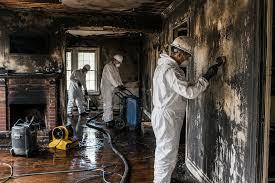
A fire leaves more behind than burned materials and damaged walls. Smoke travels through a house or business and leaves soot, stains, and bad smells in rooms the flames never reached. Furniture, clothes, carpets, and the ventilation system can all be affected. Fire smoke damage cleanup removes that residue, deals with the odors, and gets the property ready for repairs.
What causes smoke damage?
Smoke damage happens when materials burn and release tiny particles into the air. Wood, plastic, furniture, and electrical equipment each produce a different kind of residue. The particles settle on walls, ceilings, windows, floors, and personal belongings.
Smoke doesn’t stay in the room where the fire started. It moves through hallways, doorways, and the air system, so several areas can be affected. Even a small kitchen fire can leave soot and a smoky smell in the next room.
Why it shouldn’t wait
The longer smoke residue sits, the harder it is to remove. Soot can stain walls, dull some finishes, and leave odors in carpet and upholstery. Some materials soak up smoke particles, which makes ordinary cleaning less effective.
Once the property is confirmed safe, starting early helps limit the damage. A professional can look at what was affected and tell you which materials need cleaning, deodorizing, or replacing.
Inspecting the property
Before cleaning starts, someone needs to see how far the damage goes. Restoration crews check the walls, ceilings, floors, furniture, and other surfaces for soot, discoloration, and residue.
They also look in places that are easy to miss, like ventilation, cabinets, and closets, where smoke particles collect. That tells them what cleaning approach each material needs.
Don’t go into a fire-damaged building until the fire department or another qualified person says it’s safe. Weak structure and exposed wiring can still be there after the flames are out.
Removing soot and residue
Soot is the most obvious sign of smoke damage. It leaves black or gray marks on walls, ceilings, and furniture. Wiping it with a damp cloth usually spreads it around and makes the stain bigger.
Professionals use tools and products chosen for each surface, such as dry-cleaning sponges, HEPA vacuums, and the right cleaning solutions. The aim is to take the soot off, not cover the marks. Porous materials often need extra treatment, and badly damaged items may have to be replaced.
Getting rid of the smell
The smell often outlasts the visible soot. Carpets, curtains, mattresses, upholstery, and insulation absorb smoke particles and keep releasing the odor.
To get rid of it, crews first find where the smoke settled and clean those spots. If the smell is strong, they may add deodorizing treatments and air filtration. Air fresheners and scented sprays only mask the odor for a while, because the residue causing it is still there.
Furniture and belongings
Clothes, furniture, electronics, documents, and photographs can all pick up smoke residue. Some can be cleaned and restored. Others need specialized treatment, and delicate or valuable pieces should be handled with care.
If electronics were exposed to smoke, soot, or firefighting water, don’t turn them on until they’ve been inspected. It also helps to photograph the damage and keep a list of what was affected for your insurance claim.
Air ducts and ventilation
Smoke can travel through the heating and cooling system and carry particles into rooms far from the fire. If it got into the ductwork, cleaning the walls and furniture won’t fully solve the problem.
A professional can check whether the ducts, vents, and filters need cleaning or replacing. Don’t run the system before it’s been checked, or it may blow leftover smoke around the whole building. This part matters most when smoke reached several rooms.
Water damage after a fire
Firefighters use a lot of water, and it creates its own problems. Carpets, wood floors, drywall, and insulation can end up soaked.
If the moisture stays trapped inside, materials start to break down and mold can grow. Crews use extraction equipment, air movers, and dehumidifiers to dry the area. Anything that can’t be cleaned or dried properly may have to be removed. Smoke and water damage both need to be looked at before restoration begins.
Repairing walls and surfaces
After the cleaning and odor treatment, some areas will still need repairs. Walls and ceilings may need repainting, and damaged drywall, flooring, trim, or insulation may need replacing.
Painting over soot that hasn’t been cleaned lets the stains and smell come back through. Repairs should wait until the surfaces are clean and dry. How much work you need depends on the size of the fire, the materials involved, and how far the smoke and water spread.
Choosing a restoration company
An experienced company makes recovery easier to handle. Look for one that deals with smoke, soot, fire, and water damage. Ask how they inspect, how they clean, whether they offer odor removal, and how long the job should take.
A good company will tell you which materials can be restored and which probably can’t. Ask for a clear estimate so you know what’s included. If you have property insurance, contact your provider and document the damage before major cleanup or repairs start, as long as it’s safe to do so. Coverage depends on your policy and what caused the fire.
Lowering the risk of another fire
Accidents can’t always be avoided, but a few habits cut the risk. Test your smoke alarms regularly and keep a fire extinguisher within reach. Don’t overload outlets, and have an electrician check any damaged wiring.
Keep flammable items away from the stove, heaters, and open flames. A simple exit plan helps too, so everyone knows what to do if a fire starts.
Getting help
Smoke damage can reach many parts of a property even when the fire stayed in one room. Soot, odors, damaged belongings, and dirty ductwork can all need attention.
Professional fire smoke damage cleanup covers inspection, soot removal, surface cleaning, odor treatment, and repairs. Starting once the property is declared safe limits further damage and makes the whole process easier to manage. If your home or business has had a fire, contact a local restoration team for an assessment and a clear plan for what comes next.

 Arabic
 French
 Spanish
 Portuguese
 Deutsch
 Turkish
 Dutch
 Italiano
 Russian
 Romaian
 Portuguese (Brazil)
 Greek
