


 About Urh Social
 Terms of Service
 Πολιτική Ιδιωτικότητας
 Contact
Sewage Cleanup Services: What Owners Should Know
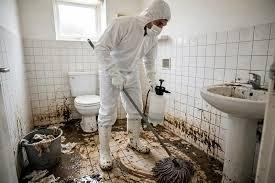
A sewage backup can hit a home or business with no warning. A blocked sewer line, a clogged drain, an overflowing toilet, or a cracked pipe can push dirty water across floors and into walls. That water can carry bacteria, viruses, and other contaminants, on top of the damage it does to the building. Sewage cleanup services remove the contaminated water, clean and disinfect what it touched, and repair what can’t be saved.
What causes sewage backups
Blocked sewer lines are the most common cause. Grease, paper products, and tree roots build up inside the pipes, and when the wastewater can’t get through, it comes back up through toilets, sinks, showers, and floor drains.
Heavy rain can also overload the city sewer system and push wastewater into basements and lower levels. Older plumbing is another weak point, since cracks and blockages let sewage escape. And a simple clogged toilet or a broken drainpipe can do the same thing in a bathroom or kitchen.
Why you can’t treat it like a normal leak
Sewage water isn’t the same as water from a burst pipe. It can contain microorganisms that make the area unsafe, and direct contact can be a real health risk, especially for children, older adults, and anyone with a weak immune system.
If it sits, it also ruins flooring, drywall, insulation, furniture, and belongings. Moisture trapped in the materials leads to mold and bad smells. Getting help quickly keeps the damage from spreading and shortens the recovery.
What to do right away
Keep people and pets out of the affected area first. Don’t touch the water or walk through it. If it’s near outlets or appliances, stay away, because there may be an electrical hazard.
If it’s safe, stop using the toilets, sinks, and drains that might be adding to the backup, and call a plumber to find the cause. Take photos for your insurance, but don’t handle contaminated materials without proper protective gear. And skip the household fans and regular vacuums, since they can spread harmful particles through the air.
Removing the contaminated water
Pulling out the water comes first. Sewage spreads across floors and soaks into carpet, cabinets, and baseboards, and the longer it stays, the worse the damage gets.
Crews use extraction equipment to remove the standing water, then check the surrounding areas to see how far the contamination went. That can mean looking under flooring, behind cabinets, and inside the wall cavities. Those hidden spots can hold contaminated moisture even after the visible water is gone.
Cleaning and disinfecting
Removing the water is only half the job. Every surface it touched has to be cleaned and disinfected with products and methods suited to the material.
Drying everything out
After the contaminated water and ruined materials are gone, the rest of the property needs to dry completely. Moisture can stay inside walls and floors even when the surface looks dry.
Air movers and dehumidifiers pull the moisture out, and moisture meters show which areas are still damp. Skipping this step is how mold shows up later. Check everything carefully before any new flooring or drywall goes in.
Mold and odors
Sewage leaves a strong smell that can spread through the whole building. It stays if contaminated materials or moisture are left behind.
Cleaning the surfaces, removing what can’t be saved, and drying the space handles most of it. Some jobs also need deodorizing treatments, depending on how bad the contamination was. Mold grows when moisture lingers, which is another reason proper drying and a follow-up inspection matter. If mold has already started, you may need an additional assessment and treatment.
Repairing walls, floors, and furniture
When cleaning, disinfecting, and drying are done, the repairs can start. What’s needed depends on how far the sewage spread and which materials it reached.
Drywall, flooring, insulation, and baseboards may need replacing. Some furniture and belongings can be cleaned and kept, while heavily contaminated pieces usually have to go. An inspection tells you which is which. Don’t start repairs until the area is safe and fully dry.
Choosing a company
Pick a company that knows contaminated water removal, cleaning, disinfection, structural drying, and restoration. Before you hire anyone, ask about their cleanup process, their protective equipment, how they dry the space, and how long the job should take. Ask for a clear explanation of what the estimate includes.
A good team deals with the damage you can see and the contamination you can’t. They’ll tell you what needs to be removed, what can be saved, and what repairs come next. If you have property insurance, call your provider soon and keep your photos, receipts, and records of the work. Coverage depends on your policy and the cause of the backup.
Preventing the next backup
Regular plumbing care helps. Don’t flush wipes, paper towels, or grease, and remember that products labeled flushable can still clog pipes.
If you notice slow drains, repeated clogs, or strange smells, get the sewer line inspected. Tree roots and damaged pipes are easier to fix before they turn into a major backup. Keep your gutters and drainage clear so rain flows away from the building, and if you have a basement, check the floor drains and sump pump from time to time.
Getting help
Sewage damage affects how safe and usable a property is. Contaminated water, damaged materials, and lingering smells all need careful attention before they cause bigger problems.
Professional sewage cleanup services cover water removal, surface cleaning, disinfection, drying, odor treatment, and repairs. If your home or business has a sewage backup, keep everyone away from the affected area and call a local restoration team right away. Many offer emergency service at any hour, and an early assessment gives you a clear plan and a better chance of saving your property.

 English
 Arabic
 French
 Spanish
 Portuguese
 Deutsch
 Turkish
 Dutch
 Italiano
 Russian
 Romaian
 Portuguese (Brazil)
