


 About Urh Social
 Terms of Service
 Privacy Policy
 Contact
Storm Damage Repair: Restore Your Property After Severe Weather
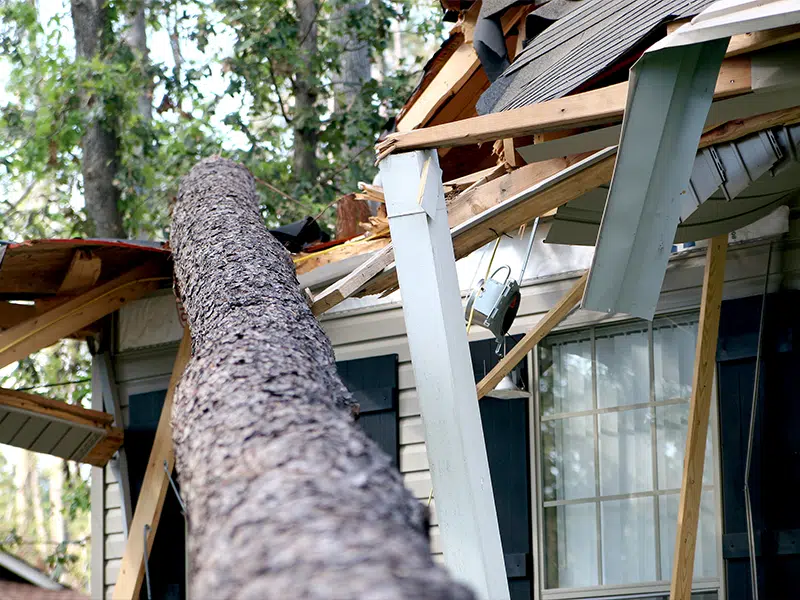
Severe weather can cause unexpected damage to residential and commercial properties. Heavy rain, strong winds, hail, and falling trees can affect roofs, windows, siding, and structural components. Even after the weather clears, hidden moisture and damaged materials may continue creating problems.
Professional storm damage repair helps property owners assess the damage, protect exposed areas, and restore affected parts of a building. Acting quickly can help reduce additional damage and make the recovery process easier.
Whether your property has a leaking roof, broken windows, flooding, or damaged exterior walls, understanding the repair process can help you take the right steps.
Common Types of Storm Damage
Different weather conditions can affect buildings in different ways. Some problems are immediately visible, while others may require a professional inspection to identify.
Roof Damage
Roofs are directly exposed to rain, hail, and strong winds. Severe weather can loosen shingles, damage flashing, break roof tiles, or create openings that allow water inside.
Even a small opening can lead to water stains, damaged insulation, and wet ceilings. A professional roof inspection can help identify the affected areas and determine whether temporary protection or permanent repairs are needed.
Water Damage
Heavy rainfall and roof leaks can allow water to enter a property. Water may spread through floors, walls, ceilings, and insulation, causing damage that becomes more noticeable over time.
Standing water should be removed promptly, and affected materials may require professional drying. Moisture that remains trapped inside building materials can create conditions for mold growth.
Broken Windows and Doors
Flying debris and strong winds can break windows, damage frames, and affect exterior doors. These openings leave the property exposed to additional rain, wind, and potential security concerns.
Temporary board-up services can help secure damaged openings until permanent repairs or replacements are completed.
Fallen Trees and Exterior Damage
Storms can bring down trees and large branches, damaging roofs, fences, siding, vehicles, and outdoor structures. Gutters and drainage systems may also become damaged or blocked.
Heavy debris and unstable trees should be handled by qualified professionals, particularly when electrical lines or structural components are involved.
What Does Professional Storm Damage Repair Include?
The repair process depends on the type and extent of the damage. A professional restoration team generally begins with an inspection before recommending the necessary work.
Property Inspection and Damage Assessment
The first step is to evaluate the affected areas. Professionals may inspect roofing, siding, windows, ceilings, floors, and other building components.
They also look for signs of water intrusion and hidden moisture. A thorough assessment helps determine which materials can be repaired and which may need replacement.
Emergency Board-Up and Roof Tarping
When windows, doors, or roofing materials are damaged, temporary protection may be necessary. Board-up services help cover broken openings, while roof tarping can limit additional water intrusion.
These measures help protect the property while permanent repairs are being arranged.
Water Extraction and Structural Drying
If rainwater or floodwater enters the building, removing standing water is an important priority. Professional equipment such as pumps and water extractors may be used to remove accumulated water.
Air movers and commercial dehumidifiers can then help dry affected materials. Moisture monitoring helps determine whether additional drying is required before repairs begin.
Roof and Exterior Repairs
Once the property is secure, damaged exterior materials can be repaired or replaced. Depending on the inspection, this may include shingles, flashing, gutters, siding, windows, doors, and other components.
Proper exterior repairs help restore the building's protection against future weather conditions.
Interior Repairs and Restoration
Storm-related water intrusion can damage drywall, insulation, flooring, ceilings, and paint. Restoration work may involve removing materials that cannot be saved, drying the structure, and replacing damaged components.
The goal is to return affected areas to a safe and usable condition.
Signs Your Property Needs Storm Damage Repair
Not all storm damage is immediately obvious. Some issues may become noticeable hours or days after severe weather.
Water stains on ceilings and walls can indicate roof leaks or water intrusion. Missing shingles, loose siding, damaged gutters, and broken window seals may also signal exterior damage.
Inside the property, watch for peeling paint, swollen flooring, musty odors, and damp areas. These signs may indicate moisture trapped behind walls or beneath surfaces.
After a storm, inspect your property from a safe location. Avoid climbing onto damaged roofs or entering areas that may have structural problems. If you notice warning signs, arrange a professional inspection.
Why Timely Storm Damage Repairs Matter
Delaying repairs can allow existing problems to become more serious. A damaged roof may continue letting rainwater inside, while broken windows can expose interior spaces to additional weather.
Moisture left inside building materials can also encourage mold growth. The U.S. Environmental Protection Agency recommends drying wet materials within 24 to 48 hours when possible to help prevent mold.
Prompt repairs, water removal, and proper drying can help reduce secondary damage and make restoration more manageable.
How to Choose the Right Storm Damage Repair Company
Choosing a reliable restoration company is an important part of recovering after severe weather. Look for a provider with experience in storm-related property damage and water restoration.
Ask whether the company offers property inspections, emergency protection, water extraction, structural drying, and repair services. Check customer reviews, confirm relevant licensing and insurance, and request a written estimate before major work begins.
If you plan to file an insurance claim, contact your insurance provider and ask about documentation requirements. Coverage depends on your policy, the cause of damage, exclusions, and deductible. Avoid companies that guarantee insurance approval or pressure you to sign an agreement without reviewing the details.
What to Do Immediately After a Storm
Your safety should always come first. Stay away from downed power lines, unstable trees, damaged structures, and areas where electrical equipment may be exposed to water.
Once it is safe, take photos and videos of visible damage. Contact your insurance company and ask about the next steps. Keep records of temporary repairs and related expenses.
If water has entered your property, avoid electrical hazards and do not attempt to remove large amounts of water from an unsafe or contaminated area yourself. Qualified professionals can assess the situation and recommend appropriate cleanup procedures.
Final Thoughts
Storms can damage roofs, windows, exterior walls, and interior spaces. Water intrusion and hidden moisture may also create additional problems if they are not addressed promptly.
Professional storm damage repair helps property owners inspect affected areas, secure exposed sections, remove water, and restore damaged materials. Taking the right steps after severe weather can help protect your property and support a smoother recovery process.

 Arabic
 French
 Spanish
 Portuguese
 Deutsch
 Turkish
 Dutch
 Italiano
 Russian
 Romaian
 Portuguese (Brazil)
 Greek
