


 About Urh Social
 Terms of Service
 Privacy Policy
 Contact
How to Use Strategic Workforce Planning in CIPD Assignments
Introduction
Strategic workforce planning has become a core topic in modern human resource management because organisations now operate in rapidly changing business environments. From talent shortages to digital transformation, companies increasingly rely on workforce planning to align employees with long-term business goals. For students studying Chartered Institute of Personnel and Development qualifications, understanding this concept is essential for producing high-quality CIPD assignments.
When learners explore how to use strategic workforce planning in CIPD assignments, they are expected to connect academic theories with practical HR challenges. Strong assignments do more than define workforce planning; they demonstrate how organisations forecast future staffing needs, identify skill gaps, and implement strategies that improve organisational performance. This approach helps students show critical thinking, analytical ability, and practical HR knowledge.
This article explains how strategic workforce planning can be effectively applied in CIPD assignments while also helping students meet academic expectations and current HR industry standards.
Understanding Strategic Workforce Planning in CIPD Studies
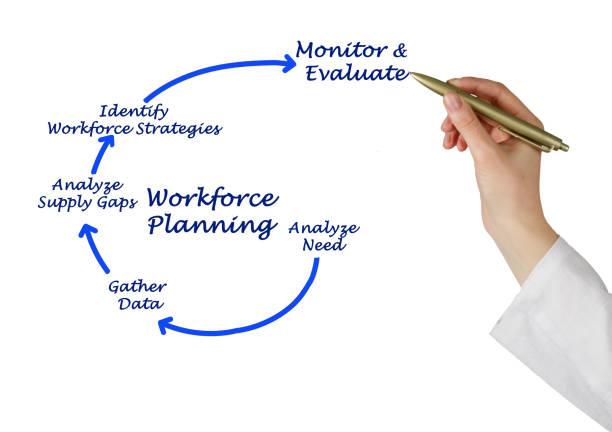
Strategic workforce planning refers to the process of analysing an organisation’s current workforce and preparing for future talent requirements. It ensures that businesses have the right employees, with the right skills, in the right roles, at the right time. In CIPD assignments, this concept is often linked with talent management, succession planning, recruitment strategy, organisational development, and performance management.
A well-written assignment should explain that workforce planning is not simply about hiring employees. Instead, it involves evaluating labour market trends, predicting future organisational needs, and creating sustainable staffing solutions. Students should demonstrate how HR professionals use workforce planning to support long-term strategic objectives.
Many CIPD modules require learners to apply workforce planning theories to real workplace scenarios. For example, students may analyse how a retail company manages seasonal staffing demands or how a technology business addresses digital skills shortages. Including realistic examples strengthens credibility and aligns with E-E-A-T principles by showing practical understanding and subject expertise.
Assignments also benefit from referencing recognised HR frameworks and professional guidance from organisations such as Chartered Institute of Personnel and Development. Using authoritative HR concepts improves academic quality and demonstrates awareness of industry standards.
For students seeking additional academic guidance, exploring resources related to 3CO02 Assessment Help can provide useful support when structuring workforce planning discussions within CIPD coursework.
Why Strategic Workforce Planning Matters in HR Assignments
Strategic workforce planning is highly relevant because organisations face constant workforce challenges. Businesses must adapt to technological innovation, remote working trends, demographic changes, and evolving employee expectations. CIPD assignments often ask students to evaluate how HR teams respond to these pressures through workforce planning strategies.
One important reason workforce planning matters is its connection to organisational success. Companies that fail to forecast workforce needs may experience skills shortages, poor productivity, or high employee turnover. In contrast, organisations with effective planning strategies can improve efficiency, reduce recruitment costs, and build stronger talent pipelines.
Students should explain how workforce planning supports business continuity. For example, succession planning ensures that critical leadership roles remain filled when senior employees retire or leave the organisation. Similarly, learning and development initiatives help employees gain future-ready skills that match changing market demands.
Assignments become more persuasive when learners connect workforce planning with measurable business outcomes. Discussing examples such as improved employee retention, enhanced workforce diversity, or increased operational agility demonstrates deeper understanding. Employers increasingly value HR professionals who can make data-driven decisions, so CIPD assessors often look for evidence of analytical thinking in assignment responses.
Another important aspect is workforce flexibility. Modern organisations frequently use hybrid working models, temporary staffing, and cross-functional teams. Strategic workforce planning helps businesses remain adaptable during economic uncertainty or rapid growth periods. Including these contemporary HR trends can make assignments more relevant and aligned with current industry practices.
Applying Workforce Planning Models in CIPD Assignments
Using recognised workforce planning models can significantly improve assignment quality. Academic assessors expect students to move beyond basic descriptions and critically evaluate HR methods and frameworks.
One commonly used approach is gap analysis. This model compares current workforce capabilities with future organisational requirements. Students can explain how HR departments identify shortages in skills, leadership, or staffing levels before implementing targeted recruitment or training solutions. Gap analysis is especially useful in assignments involving organisational change or digital transformation.
Another important model is scenario planning. This technique allows organisations to prepare for multiple future possibilities, including economic downturns, rapid expansion, or technological disruption. In CIPD assignments, learners can discuss how HR teams create flexible workforce strategies to manage uncertainty.
SWOT analysis is also valuable when evaluating workforce planning strategies. By examining strengths, weaknesses, opportunities, and threats, students can assess how internal and external factors affect workforce decisions. For example, an organisation may identify a strong employer brand as a strength while recognising a shortage of specialised talent as a potential risk.
Students should avoid simply naming these models without explanation. Strong academic writing requires analysis, application, and evaluation. Rather than listing theories, assignments should demonstrate how HR professionals apply workforce planning frameworks in real organisational settings.
Using Real-World Examples to Strengthen CIPD Assignments
One of the best ways to improve a CIPD assignment is by incorporating practical examples. Real-world case studies help readers understand how workforce planning operates in actual business environments. They also demonstrate that the student understands the relationship between HR theory and organisational practice.
For instance, many global companies use workforce analytics to predict future hiring needs. Data-driven HR strategies allow businesses to identify performance trends, turnover risks, and emerging skill shortages. Discussing these practices can help assignments feel more current and relevant.
Healthcare organisations provide another useful example. Hospitals and healthcare providers often use workforce planning to address staffing shortages, manage shift scheduling, and improve patient care quality. Similarly, manufacturing companies rely on workforce forecasting to manage production demands and automation changes.
Students can also discuss the impact of artificial intelligence and digital transformation on workforce planning. As automation changes job roles across industries, HR departments must develop reskilling and upskilling strategies. Including these trends demonstrates awareness of the evolving HR landscape and strengthens assignment relevance.
However, examples should always support the main argument rather than distract from it. Clear explanation and critical analysis remain more important than simply mentioning well-known companies.
Common Mistakes to Avoid in Workforce Planning Assignments
Many students struggle with CIPD assignments because they focus too heavily on definitions without offering critical insight. A common mistake is describing workforce planning in generic terms without explaining its strategic value. Assessors typically expect deeper evaluation and practical application.
Another issue is failing to connect workforce planning with broader organisational objectives. HR strategies should always align with business goals such as growth, innovation, productivity, or customer satisfaction. Assignments become stronger when students clearly explain this relationship.
Poor structure can also weaken academic writing. Each section should flow logically into the next while maintaining a clear focus on the assignment question. Using well-organised headings and coherent transitions improves readability and user engagement, which also supports SEO best practices for online educational content.
Students should also avoid outdated references or unsupported claims. Reliable sources, current HR trends, and evidence-based discussion help establish authority and trustworthiness. Referring to recognised HR research or professional insights can improve the credibility of the assignment.
Conclusion
Understanding how to use strategic workforce planning in CIPD assignments is essential for producing thoughtful, practical, and academically strong work. Workforce planning is far more than a recruitment process; it is a strategic HR function that helps organisations prepare for future challenges, manage talent effectively, and align workforce capabilities with long-term business goals.
Successful CIPD assignments combine theory with practical application. Students who explain workforce planning models, analyse organisational challenges, and include relevant examples are more likely to demonstrate expertise and critical thinking. By focusing on current HR trends, evidence-based analysis, and strategic insight, learners can create assignments that meet modern academic expectations while reflecting real-world HR practice.

 English
 Arabic
 French
 Spanish
 Portuguese
 Deutsch
 Turkish
 Dutch
Dutch
 Russian
 Romaian
 Portuguese (Brazil)
 Greek
Greek
