


 About Urh Social
 Terms of Service
 Política de privacidade
 Contact
Comparing Outcomes: Before and After Ear Reshaping in Dubai
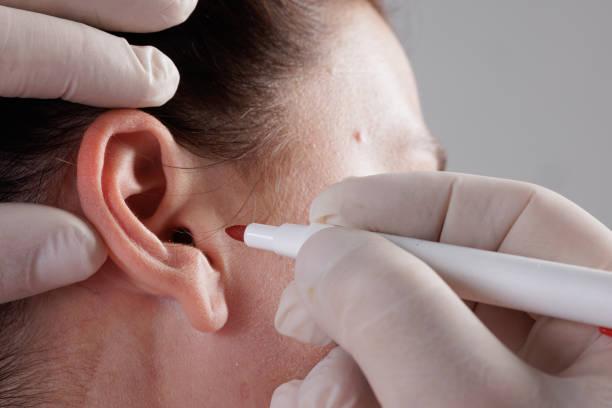
Before-and-after comparisons can help patients understand the potential changes associated with Ear Reshaping in Dubai. Otoplasty may alter ear projection, improve selected cartilage folds, or create a more balanced appearance between the ears. However, photographs represent individual outcomes rather than guaranteed results. Understanding what to compare, how healing affects appearance, and why natural differences may remain is essential when evaluating surgical expectations.
What Before and After Ear Reshaping in Dubai Shows
Before-and-after photographs usually illustrate changes in the external ear's position, contour, and relationship with the head.
The extent of improvement depends on the original anatomy and the surgical technique used.
Common Changes Visible in Otoplasty Results
Depending on the treatment plan, photographs may show:
-
Reduced outward projection.
-
Improved definition of the antihelical fold.
-
Adjustments to the conchal bowl.
-
A more balanced appearance between the ears.
-
Changes in the overall ear contour.
Not every patient will experience all these changes. The outcome reflects the specific features addressed during surgery.
How to Evaluate Before and After Photographs
A useful comparison should provide a consistent view of the ears rather than relying on carefully selected angles alone.
Check the Photography Conditions
When reviewing results, consider whether:
-
The lighting is reasonably consistent.
-
The head position is similar in both photographs.
-
The camera distance and angle are comparable.
-
Both ears are visible where appropriate.
-
The photographs represent a clearly identified stage of healing.
Differences in lighting, hairstyle, posture, or camera perspective can make the ears appear more or less prominent than they actually are.
Understanding Early and Later Results
The appearance immediately after surgery is not the final outcome. Swelling, bruising, dressings, and temporary changes in sensation can affect how the ears look and feel during early recovery.
Why Healing Changes the Appearance
As swelling gradually settles, the contours become easier to assess. Tissue healing and cartilage response also influence how the ears maintain their reshaped position.
Patients should attend follow-up appointments and avoid judging the outcome solely from early post-operative photographs.
Comparing Results Without Expecting Perfect Symmetry
The two ears naturally differ in many people. Differences may involve height, projection, cartilage folds, and overall shape.
What a Balanced Result Means
A balanced result aims to improve the relationship between the ears while preserving natural anatomical features. It does not necessarily mean that both ears will have identical measurements or contours.
The surgeon may also make different adjustments to each ear when their structures are not the same.
Factors That Influence Individual Outcomes
Several factors may affect the appearance achieved after otoplasty:
-
Original cartilage shape and flexibility.
-
The degree of ear projection.
-
The surgical technique selected.
-
Individual healing characteristics.
-
Adherence to post-operative instructions.
-
Possible complications or recurrence.
Potential risks include infection, bleeding, scarring, altered sensation, cartilage irregularities, asymmetry, and the possible need for revision surgery.
Clinic Note: Before-and-after photographs are useful discussion tools, but they cannot predict an individual patient's result. Review examples with attention to anatomy, photography conditions, healing stage, and realistic treatment goals.
Frequently Asked Questions
How soon can I compare my final otoplasty results?
Early changes can be seen after surgery, but swelling and healing affect appearance. The surgeon can advise when a meaningful assessment is appropriate.
Should before-and-after photographs show both ears?
Where relevant, multiple views can provide a more complete understanding of changes to ear position and contour.
Will my result look exactly like a photograph I choose?
No. Photographs can help communicate preferences, but individual anatomy and healing determine the achievable outcome.
Can the ears become uneven after surgery?
Some asymmetry may remain or develop during healing. Significant or concerning changes should be discussed with the treating surgeon.
Evaluating Your Expected Results With Ear Reshaping in Dubai
A realistic understanding of surgical outcomes starts with an assessment of individual ear anatomy rather than relying on photographs alone. Tajmeels Clinic encourages patients to discuss their goals, review relevant treatment considerations, and understand possible limitations before making a decision about otoplasty.

 English
 Arabic
 French
 Spanish
 Portuguese
 Deutsch
 Turkish
 Dutch
 Italiano
 Russian
 Romaian
 Greek
