


 About Urh Social
 Terms of Service
 Privacy Policy
 Contact
Discover Japan's Ancient Heritage on a Memorable Journey Through Nara
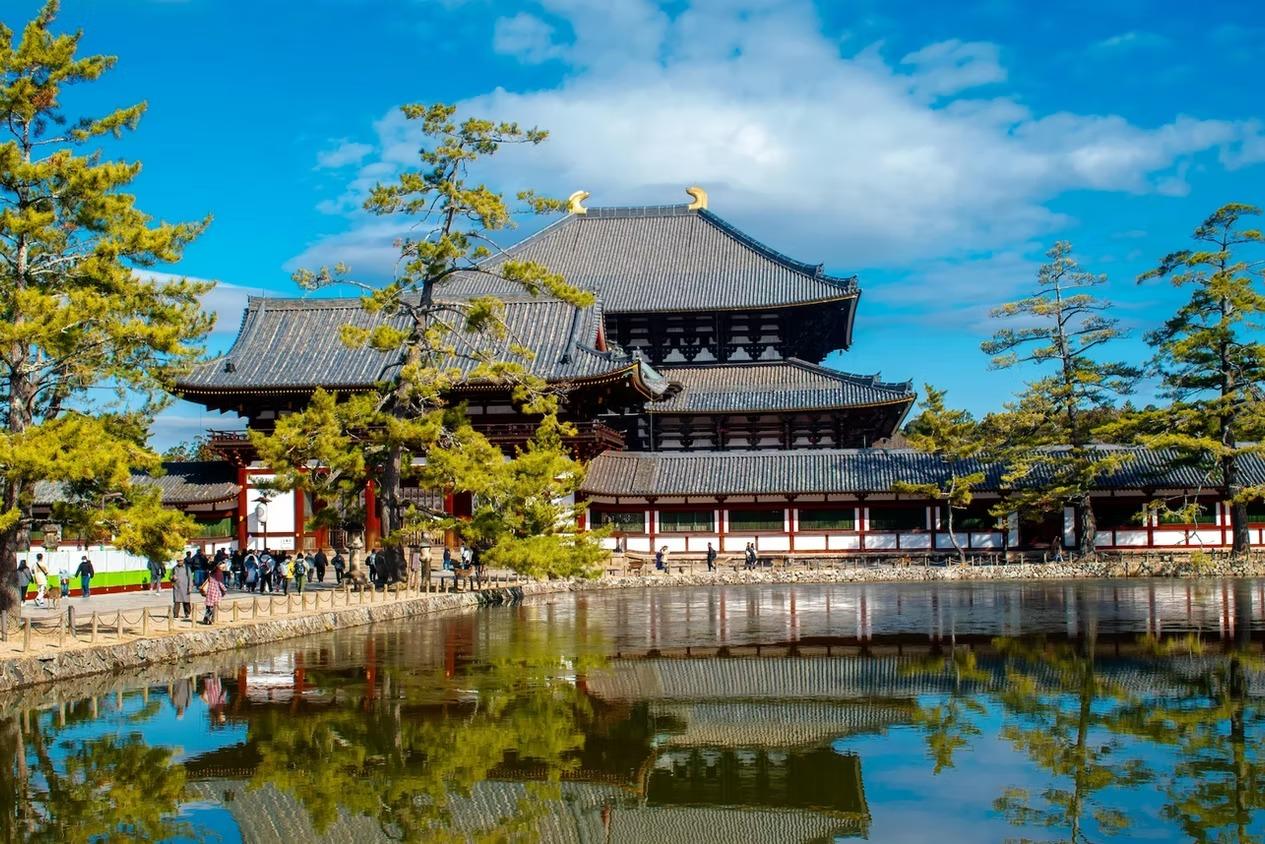
Japan is home to many remarkable historic destinations, but few offer the same combination of cultural heritage, traditional architecture, and peaceful natural surroundings as Nara. Located in the Kansai region, this historic city is famous for its ancient temples, friendly deer, beautiful parks, and important cultural landmarks. A Nara private tour offers travelers an opportunity to explore these attractions at a comfortable pace while discovering the history and traditions that make the city special.
Whether visiting Japan for the first time or returning to explore beyond its major cities, Nara provides a rewarding experience for anyone interested in the country's past.
Why Nara Deserves a Place on Your Japan Itinerary
Nara was Japan's first permanent capital, established in 710 under the name Heijo-kyo. Its early development played an important role in shaping Japanese government, religion, art, and architecture.
Although the capital later moved to other cities, Nara retained many of its historic sites. Today, visitors can explore temples and shrines that reflect centuries of religious and cultural development.
The city's atmosphere is different from the busy streets of Tokyo and Osaka. Historic buildings, green spaces, traditional neighborhoods, and wide walking paths create a more relaxed environment. It is an appealing destination for travelers who want to understand another side of Japan.
Meet the Famous Deer of Nara Park
<PRIVATE_PERSON> is one of Nara's most recognizable attractions, and its deer are a major reason visitors include the city in their travel plans. Hundreds of deer roam freely around the park, creating a distinctive experience for visitors.
In Japanese tradition, deer have a special connection with Kasuga Taisha Shrine and are regarded as sacred messengers of the gods. Today, they are protected as natural monuments and have become an important symbol of the city.
Visitors can observe the deer resting beneath trees, walking along the paths, or approaching people carrying special deer crackers sold nearby. It is important to follow local guidance, feed them only approved food, and avoid teasing or disturbing them.
Nara Park also provides access to several important attractions, making it an excellent starting point for exploring the city's heritage.
Explore the Great Buddha at Todaiji Temple
Todaiji Temple is among Japan's most important Buddhist landmarks. Its main hall, known as the Daibutsuden, houses an enormous bronze statue of the Buddha that attracts visitors from around the world.
The scale of the temple is impressive, but its historical importance is equally significant. Originally established during the eighth century, Todaiji became a major center of Buddhist learning and religious activity.
Walking through the temple grounds gives visitors an opportunity to appreciate traditional Japanese architecture and the craftsmanship involved in creating such a remarkable structure.
The surrounding area is also worth exploring. Large wooden gates, landscaped grounds, and nearby walking paths provide a peaceful setting for photography and sightseeing.
Discover the Beauty of Kasuga Taisha Shrine
Another important destination in Nara is Kasuga Taisha, a historic Shinto shrine known for its distinctive architecture and thousands of stone and bronze lanterns.
Founded in the eighth century, the shrine has a close connection with the history of the influential Fujiwara family. Its location within a wooded area creates a peaceful atmosphere that contrasts with the more open spaces of Nara Park.
Visitors can walk along paths decorated with stone lanterns and admire the traditional buildings. During special lantern festivals, illuminated lanterns create an especially memorable scene.
Kasuga Taisha is an excellent place to learn about Shinto traditions and the role of religious sites in Japanese cultural life.
Visit Kofukuji Temple and Its Historic Pagoda
Kofukuji Temple is another major landmark that reflects Nara's importance during Japan's early historical period. It was established in the seventh century and later became closely associated with the Fujiwara family.
One of its most recognizable features is the five-story pagoda, which has become an iconic part of Nara's skyline. The temple complex also includes several historic buildings and cultural collections.
The surrounding grounds are pleasant for a leisurely walk, particularly for visitors interested in traditional Buddhist architecture. Its location near Nara Park also makes it convenient to include in a broader sightseeing route.
Experience Nara's Traditional Streets and Local Food
Beyond its famous temples and shrines, Nara has charming traditional streets that offer a closer look at local life.
Naramachi is one of the city's most interesting historic districts. Its narrow streets contain preserved merchant houses, small shops, cafés, and traditional buildings. Many of these structures reflect the architectural style of earlier periods.
Walking through the neighborhood allows visitors to discover local crafts, traditional souvenirs, and small businesses. It is also an enjoyable place to take a break from visiting major landmarks.
Food is another important part of the experience. Visitors can try local specialties such as kakinoha-zushi, a type of sushi wrapped in persimmon leaves, along with traditional sweets and regional dishes. Exploring local restaurants and cafés adds another dimension to a visit.
The Advantages of Exploring Nara with a Private Tour
Nara has several attractions that can easily fill a full day of sightseeing. However, organizing transportation and deciding how much time to spend at each location can be challenging for visitors unfamiliar with the area.
A private tour offers a more organized way to explore the city. Travelers can plan their sightseeing around their interests instead of following a fixed group schedule.
This approach can be especially useful for families, couples, and small groups who prefer a comfortable journey. It also makes it easier to combine several attractions while allowing enough time to enjoy each stop.
A private transportation arrangement can be helpful when traveling from nearby cities such as Kyoto or Osaka. Instead of coordinating several connections, visitors can organize a direct journey according to their travel plans.
When Is the Best Time to Visit Nara?
Nara is attractive throughout the year, but each season creates a different atmosphere.
Spring: Cherry blossoms bring beautiful colors to parks and temple surroundings. The mild weather also makes walking between attractions enjoyable.
Summer: Green landscapes and shaded paths create a pleasant setting, although temperatures and humidity can be high. Visitors should plan breaks and carry drinking water.
Autumn: Red, orange, and golden foliage transform the city's parks and historic grounds. This is a particularly popular season for photography and outdoor sightseeing.
Winter: Fewer seasonal crowds can create a quieter atmosphere at some attractions. The cooler weather also offers a different perspective on Nara's traditional streets and architecture.
Travelers should consider seasonal conditions and local event schedules when deciding their visit dates.
Tips for Planning a Successful Nara Visit
A little preparation can help visitors make the most of their time in the city.
-
Start with a realistic list of attractions rather than trying to visit every landmark.
-
Wear comfortable walking shoes because temple grounds and parks can involve considerable walking.
-
Keep a respectful distance from the deer and follow local feeding guidelines.
-
Allow enough time to explore Todaiji Temple, Kasuga Taisha, and Nara Park.
-
Include a stop in Naramachi for local food and traditional shopping.
-
Check attraction opening information before departure.
-
Consider transportation arrangements if visiting from Kyoto or Osaka.
Planning a balanced schedule helps ensure that sightseeing remains enjoyable rather than rushed.
Make Nara a Highlight of Your Japanese Holiday
Nara offers a fascinating combination of history, religion, architecture, wildlife, and local culture. Its ancient temples and shrines tell the story of Japan's early capital, while its parks and traditional streets create opportunities for a relaxed day of exploration.
For visitors who want to discover the city without worrying about complicated travel arrangements, a private sightseeing experience can make the journey more convenient. With carefully selected stops and enough time to appreciate each attraction, Nara can become one of the most memorable destinations on a Japanese holiday.

 Arabic
 French
 Spanish
 Portuguese
 Deutsch
 Turkish
 Dutch
 Italiano
 Russian
 Romaian
 Portuguese (Brazil)
 Greek
