


 About Urh Social
 Terms of Service
 Privacy Policy
 Contact
How to Choose the Best English Speaking App in 2026: 10 Top-Rated Apps for International Learners
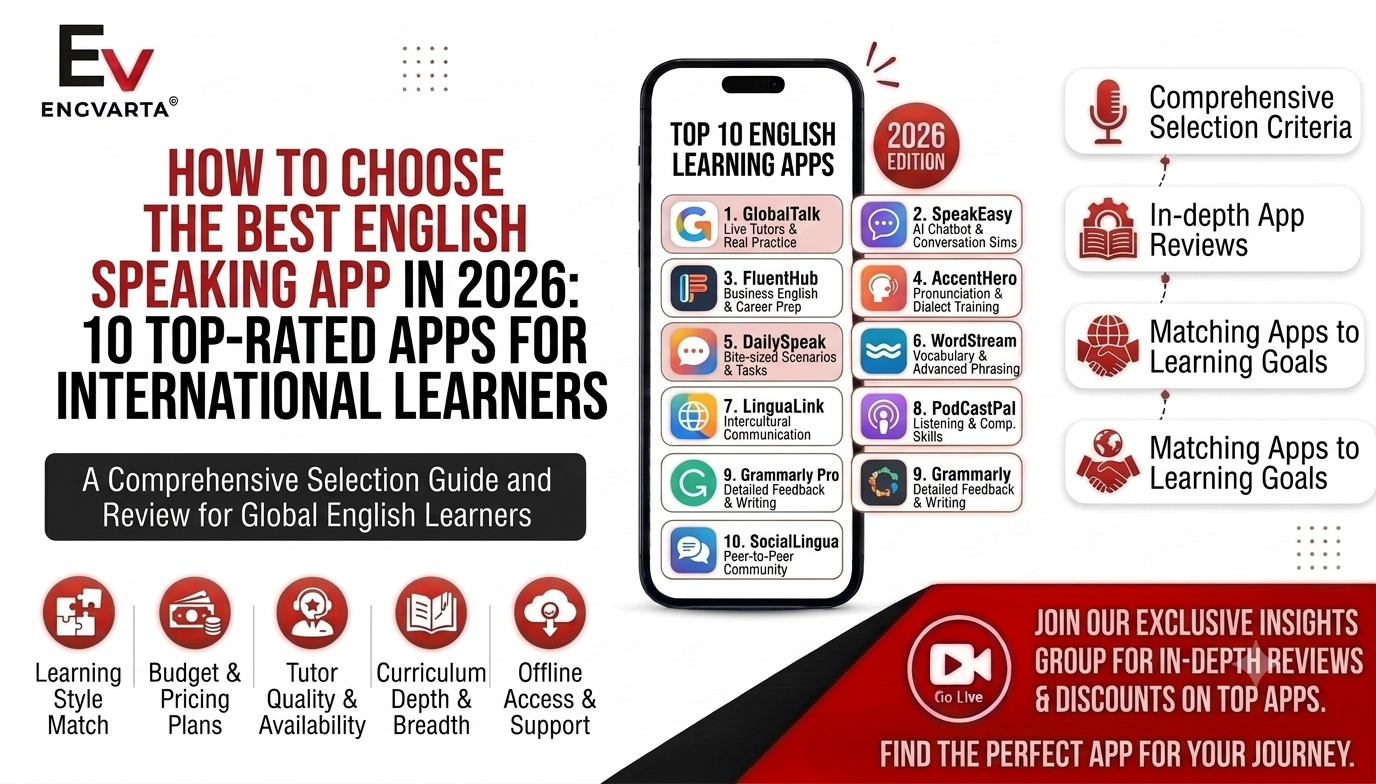
Choosing the right English learning platform can make a significant difference in how confidently you communicate in everyday and professional situations. With so many options available, finding the Best English Speaking Apps for International Learners in 2026 requires looking beyond popularity and app-store ratings. Learners need platforms that provide meaningful speaking opportunities, useful feedback, pronunciation support, and practical English conversation practice.
Many people can understand English, read articles, and write messages but struggle when they have to speak spontaneously. Limited vocabulary, hesitation, pronunciation difficulties, and fear of making mistakes can affect communication. Modern English speaking apps address these challenges through AI tutors, human conversations, language exchange, and structured learning programmes.
However, not every application teaches English in the same way. Some focus on pronunciation, others provide AI-powered conversations, while certain platforms connect learners with human tutors. This guide reviews 10 popular options and explains how to choose an app according to your learning goals, budget, and preferred practice method.
Why Choosing the Right English Speaking App Matters in 2026
The right application should help you move beyond memorising vocabulary and completing grammar exercises. It should encourage you to use English actively.
A suitable platform can support:
-
Speaking confidence: Regular practice makes expressing thoughts more comfortable.
-
Pronunciation: Speech analysis and repetition help identify unclear sounds.
-
Vocabulary: Context-based learning makes new words easier to use naturally.
-
Listening comprehension: Exposure to different speakers improves understanding.
-
Grammar: Corrections help learners construct clearer sentences.
-
Professional communication: Role-play and conversations can prepare learners for interviews, meetings, and presentations.
-
Consistency: Flexible learning options make it easier to practise regularly.
For learners who understand English but hesitate to speak, interactive conversations are particularly valuable. The objective should be to develop practical communication skills, not simply achieve a high score in an application.
10 Top-Rated English Speaking Apps for International Learners in 2026
The following platforms are selected for their different learning approaches and practical uses. The order is not a scientifically verified ranking; each application serves a different purpose.
1. EngVarta – Best for One-on-One Live English Speaking Practice
EngVarta focuses on helping learners develop spoken English through direct conversations with human experts.
Its audio-based format is particularly relevant for people who understand English but hesitate during actual conversations.
Key features:
-
One-on-one live audio conversations with English experts.
-
TESOL/ESL-certified trainers.
-
Real-time grammar and vocabulary corrections.
-
Flexible 15, 25, and 50-minute sessions.
-
Session recordings for reviewing mistakes.
-
Practice for interviews, workplace communication, and everyday conversations.
How it helps: Speaking with a real person encourages learners to form sentences independently, respond spontaneously, and become comfortable expressing their opinions. Regular practice can also help reduce the fear of making mistakes.
Pricing: A $1 introductory trial is advertised, with regular plans starting at $45 for 25 sessions. Check the current regional pricing before subscribing.
Limitations: It is a paid conversation-practice service rather than a comprehensive self-paced grammar course.
Best for: Students, working professionals, job seekers, and learners who prefer individual human interaction.
2. Cambly – Best for Learning with English-Speaking Tutors
Cambly provides opportunities to communicate with English-speaking tutors through individual and group lessons.
Its Private+ and Pro plans offer one-on-one lessons, while Small Groups provides guided group discussions.
Key features:
-
Live conversations with English-speaking tutors.
-
Individual and group lessons.
-
Structured English courses.
-
Lesson recordings and transcripts.
-
Feedback and personalised practice activities.
How it helps: Learners practise real conversations, listening comprehension, and professional communication. Pro tutors can also provide structured guidance for specific goals.
Pricing: Paid subscription plans depend on lesson frequency and duration.
Limitations: Regular tutoring can become expensive, and learners need to make consistent use of their available lesson minutes.
Best for: Learners who want tutor-led English speaking practice.
3. ELSA Speak – Best for Pronunciation and Speaking Clarity
ELSA Speak uses speech recognition and AI feedback to help learners improve pronunciation and spoken clarity.
Key features:
-
Pronunciation coaching.
-
Speech analysis.
-
AI conversation and role-play exercises.
-
Grammar and vocabulary support.
-
Interview and meeting practice on eligible plans.
How it helps: Learners can identify pronunciation problems, practise difficult sounds, and review their spoken responses.
Pricing: A limited free plan is available, with Pro and Premium subscriptions offering additional tools. Features and trial offers vary by region.
Limitations: Automated pronunciation feedback is not a replacement for extended conversations with people.
Best for: Learners who want clearer pronunciation and more understandable spoken English.
4. Speak – Best for AI-Powered Conversation Practice
Speak offers an AI tutor that allows learners to practise speaking without arranging sessions with a human teacher.
Key features:
-
AI-powered conversation practice.
-
Situational role-play.
-
Personalised lessons.
-
Pronunciation coaching.
-
Grammar and vocabulary assistance.
How it helps: Learners can practise situations such as ordering food, introducing themselves, and participating in workplace discussions.
Pricing: Premium and Premium Plus subscriptions provide access to the full curriculum and additional personalised features.
Limitations: It offers simulated conversations rather than genuine human interaction.
Best for: Beginners and intermediate learners who want frequent, flexible speaking exercises.
5. Duolingo – Best for Building Daily English Learning Habits
Duolingo combines short lessons, vocabulary activities, grammar exercises, and speaking practice.
Key features:
-
Daily learning exercises.
-
Speaking and pronunciation activities.
-
Listening comprehension.
-
Practice tab with speaking-focused exercises.
-
AI-powered Video Call and Roleplay features for eligible Max users.
How it helps: It helps beginners develop foundational vocabulary and sentence-building skills while establishing a regular learning routine.
Pricing: Free access is available, alongside Super and Max subscriptions. Some advanced conversational features require a paid plan.
Limitations: Short lessons may not provide enough extended conversation practice for learners seeking professional fluency.
Best for: Beginners and students who prefer gamified learning.
6. HelloTalk – Best for International Language Exchange
HelloTalk connects people who want to practise different languages with native and fluent speakers.
Key features:
-
Text and voice messaging.
-
Audio and video calls.
-
Language exchange partners.
-
Voice rooms and community discussions.
-
Translation and correction tools.
How it helps: Learners can communicate with international speakers, discover everyday expressions, and become familiar with different accents.
Pricing: Free language exchange features are available, with optional paid features.
Limitations: Language partners are not necessarily professional teachers, and conversation quality can vary.
Best for: Intermediate learners interested in international communication and informal practice.
7. Tandem – Best for Real-Life Conversation Exchange
Tandem helps learners connect with people who want to exchange language skills.
Key features:
-
Language partner matching.
-
Text and voice messages.
-
Audio and video calls.
-
Translation assistance.
-
In-app correction tools.
How it helps: Learners practise spontaneous conversations and develop confidence communicating with people from different backgrounds.
Pricing: Free registration and language exchange are available, with optional paid features.
Limitations: Partners may have different schedules and levels of commitment. It is not a substitute for structured professional instruction.
Best for: Learners who enjoy meeting people and practising languages socially.
8. Praktika – Best for AI Avatar Speaking Practice
Praktika uses virtual AI tutors to create interactive speaking exercises.
Key features:
-
AI avatar tutors.
-
Personalised learning plans.
-
Real-life conversation simulations.
-
Grammar and vocabulary corrections.
-
Pronunciation feedback.
How it helps: Learners can practise interviews, workplace discussions, and everyday situations in a low-pressure environment.
Pricing: A free version provides limited practice, while Premium unlocks additional avatars, practice modes, and feedback.
Limitations: AI avatar conversations cannot fully replicate the experience of speaking with another person.
Best for: Learners who prefer private, AI-guided speaking practice.
9. Preply – Best for Personalised English Tutoring
Preply allows learners to choose individual English tutors according to their goals, budget, availability, and preferred teaching style.
Key features:
-
One-on-one online English lessons.
-
Personalised learning plans.
-
Business English and interview preparation.
-
Tutor selection based on specialisation.
-
Flexible lesson scheduling.
How it helps: Tutors can identify individual weaknesses and provide guidance on grammar, vocabulary, pronunciation, and conversational skills.
Pricing: Tutors set their own rates. Paid trial lessons are available, and ongoing learning is organised through tutor-specific subscriptions.
Limitations: Costs vary between tutors, and finding the right teacher requires some research.
Best for: Students and professionals who want individualised instruction.
10. Busuu – Best for Structured English Learning
Busuu provides organised English courses with lessons covering vocabulary, grammar, listening, and speaking.
Key features:
-
Structured English courses.
-
Speaking exercises.
-
Pronunciation feedback.
-
Vocabulary and grammar review.
-
Community feedback.
-
AI conversation features on eligible plans.
How it helps: Learners can develop foundational English skills through organised lessons and practise speaking through guided exercises.
Pricing: Busuu offers free learning access, Premium, and Premium Plus subscriptions. Some speaking and AI features require Premium Plus and may depend on device and language availability.
Limitations: Learners seeking extended live conversations may need an additional speaking-practice resource.
Best for: Beginners and intermediate learners who prefer a structured course.
How to Choose the Best English Speaking App in 2026
Selecting an application should be based on your learning requirements rather than its popularity. Consider these 10 factors before subscribing.
1. Identify Your English Learning Goals
First, decide what you want to improve.
-
Everyday English communication.
-
Pronunciation and accent clarity.
-
Professional and business English.
-
Interview preparation.
-
Grammar and vocabulary.
-
Overall speaking confidence.
For example, ELSA Speak may suit someone focusing on pronunciation, while a human-led platform may be more appropriate for someone preparing for job interviews.
2. Check the Availability of Actual Speaking Practice
Some applications focus mainly on vocabulary and grammar exercises. Others provide opportunities to speak through AI conversations or live sessions.
If your primary goal is fluency, choose a platform that allows you to speak regularly rather than simply complete written exercises.
3. Compare AI Practice with Human Conversations
AI tools offer convenient repetition and simulated conversations. Human interaction provides opportunities to respond naturally, understand different speaking styles, and handle unexpected questions.
Choose according to the type of practice you need.
4. Evaluate Feedback and Correction Quality
Look for useful feedback on:
-
Grammar mistakes.
-
Pronunciation problems.
-
Sentence formation.
-
Vocabulary choices.
-
Speaking clarity.
Feedback should explain how to improve rather than simply identify errors.
5. Consider Pricing and Subscription Plans
Compare free features, paid subscriptions, trial options, and cancellation policies. Consider how frequently you will actually use the application.
A reasonably priced platform that you use consistently may provide more value than an expensive subscription you rarely use.
6. Check Flexibility and Accessibility
Consider whether the app works on your preferred devices, supports your time zone, and offers convenient practice opportunities.
Working professionals may prefer flexible sessions, while students might benefit from scheduled lessons.
7. Look for Beginner-Friendly Support
Beginners need simple explanations, patient guidance, and opportunities to practise without feeling embarrassed.
Choose a platform that supports your current proficiency level rather than overwhelming you with advanced conversations.
8. Evaluate Personalisation
An effective platform should ideally adapt to your learning requirements. Personalised lessons, relevant conversation topics, and feedback on recurring mistakes can make practice more useful.
9. Check Progress-Tracking Features
Look for recordings, lesson histories, completed exercises, feedback reports, and progress assessments.
These features can help you identify improvements and decide which skills need more attention.
10. Read Reviews and Try Free Features
Read recent reviews, check the official website, and test free lessons or introductory trials where available.
Do not rely exclusively on app-store ratings. Consider whether the platform actually provides the type of speaking practice you need.
AI English Speaking Apps vs Human-Based Speaking Practice
AI and human-based learning offer different advantages.
AI-based practice is useful for:
-
Repeating conversations.
-
Practising pronunciation.
-
Learning vocabulary.
-
Simulating everyday situations.
-
Practising without social pressure.
Human-based practice is useful for:
-
Spontaneous conversations.
-
Understanding different accents.
-
Receiving contextual feedback.
-
Developing listening and response skills.
-
Building confidence in real interactions.
The main difference is that AI generates simulated conversational experiences, whereas human-based platforms involve communication with another person.
For many learners, combining both approaches is practical. For instance, you could use Speak or Praktika for daily exercises and EngVarta or Cambly for direct conversation practice.
Best English Speaking Apps for Different Types of Learners
Your ideal platform depends on your experience and objectives.
-
Beginners who hesitate to speak: Duolingo, Busuu, or Speak.
-
Students preparing for international education: Busuu, Cambly, or Preply.
-
Working professionals: EngVarta, Cambly, or Preply.
-
Job seekers: EngVarta, Preply, or Cambly.
-
Pronunciation-focused learners: ELSA Speak.
-
International conversation practice: HelloTalk or Tandem.
-
Budget-conscious learners: Duolingo, HelloTalk, or Tandem.
-
AI conversation enthusiasts: Speak or Praktika.
-
Learners preferring one-on-one human interaction: EngVarta, Cambly, or Preply.
Indian learners can also explore Online English Classes in India (2026) when comparing structured courses with flexible speaking-practice platforms.
How to Get Better Results from an English Speaking App
The quality of your practice matters more than the number of applications you download.
Follow these practical habits:
-
Practise speaking for 15–30 minutes daily.
-
Speak aloud instead of relying only on written exercises.
-
Practise everyday situations such as introductions, meetings, and interviews.
-
Record your voice and identify pronunciation difficulties.
-
Learn new vocabulary and use it in complete sentences.
-
Accept corrections and work on recurring mistakes.
-
Combine AI exercises with human conversations.
-
Set weekly speaking goals.
-
Track your progress consistently.
-
Focus on clear communication rather than perfect grammar.
For example, choose one topic each day, such as your work, education, hobbies, or future plans. Speak about it for two to three minutes, review your mistakes, and repeat the exercise.
Are Paid English Speaking Apps Worth It in 2026?
Paid applications can provide additional learning opportunities, but they are not necessary for everyone.
Free applications may be sufficient if you want to:
-
Build basic vocabulary.
-
Learn grammar fundamentals.
-
Practise short pronunciation exercises.
-
Develop a daily learning habit.
-
Explore language exchange.
Paid subscriptions may be worthwhile when you need personalised lessons, extended AI conversations, professional tutors, detailed feedback, or regular one-on-one speaking sessions.
Before paying, ask yourself whether the subscription provides enough practical speaking opportunities to justify its cost.
For learners who need more than automated exercises, investing in regular human conversation practice may be useful. However, the best choice depends on your budget, availability, and learning preferences.
Final Verdict: Which English Speaking App Should You Choose?
There is no universally best English speaking app. Each platform offers a different learning experience.
-
EngVarta: One-on-one live English speaking practice with human experts.
-
Cambly: Conversations with English-speaking tutors.
-
ELSA Speak: AI-based pronunciation improvement.
-
Speak: AI-powered conversational exercises.
-
Duolingo: Beginner-friendly daily English learning.
-
HelloTalk: International language exchange.
-
Tandem: Social conversation practice.
-
Praktika: AI avatar-based speaking practice.
-
Preply: Personalised English tutoring.
-
Busuu: Structured English courses.
If you understand English but struggle to express yourself confidently, prioritise platforms that give you regular opportunities to speak.
EngVarta is a relevant option for learners who prefer practical one-on-one audio conversations with human experts. Its conversation-based approach allows learners to practise spontaneous responses, receive corrections, and gradually become more comfortable using English in everyday and professional situations.
Ultimately, choosing the right application is only the beginning. Consistent speaking practice, meaningful feedback, and the willingness to communicate are what make language learning effective.
Frequently Asked Questions (FAQs)
1. How do I choose the best English speaking app in 2026?
Identify your main learning goal, whether it is pronunciation, conversational fluency, grammar, or interview preparation. Compare speaking opportunities, feedback quality, pricing, and flexibility before selecting an application.
2. Which English speaking app is best for international learners?
EngVarta is suitable for learners who prefer one-on-one live conversations with human experts. ELSA Speak is useful for pronunciation, Speak for AI conversations, and HelloTalk for international language exchange.
3. Can English speaking apps really improve fluency?
Yes, they can support vocabulary development, pronunciation, listening, and speaking confidence. However, consistent practice and opportunities to communicate are essential for developing practical fluency.
4. Are free AI English speaking practice apps effective?
Free tools can be useful for basic conversations, pronunciation exercises, and daily learning habits. However, advanced feedback and extended speaking practice may require paid subscriptions.
5. Is human conversation practice better than AI English speaking practice?
Human conversations offer natural interaction and opportunities to respond to unexpected questions. AI practice provides convenient repetition and instant automated feedback. Combining both can support different aspects of language development.
6. How long should I practise English using a speaking app every day?
Around 15–30 minutes daily is a practical starting point. Focus on speaking aloud, reviewing mistakes, and practising real-life conversations rather than completing as many exercises as possible.

 English
 Arabic
 French
 Spanish
 Portuguese
 Deutsch
 Dutch
 Italiano
 Russian
 Romaian
 Portuguese (Brazil)
 Greek
