


 About Urh Social
 Terms of Service
 Πολιτική Ιδιωτικότητας
 Contact
What to Know Before Purchasing BPC-157 for Sale
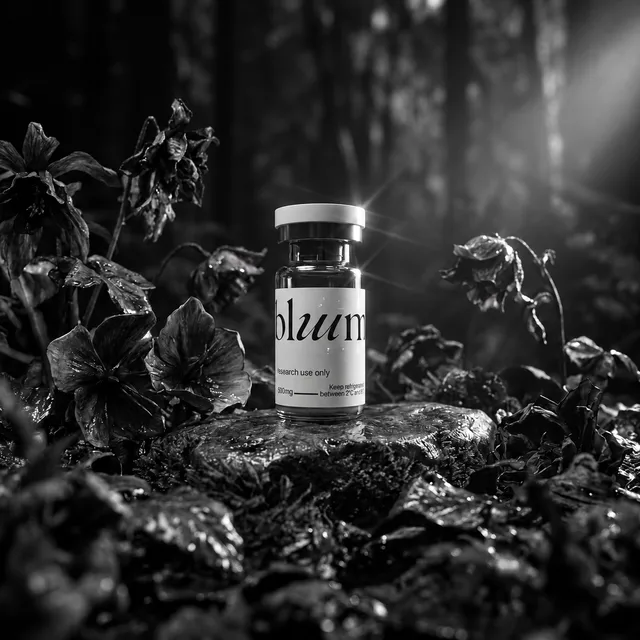
BPC-157 is a synthetic peptide studied mainly in laboratory and animal research. Although commercial descriptions often highlight possible benefits, the available human evidence is limited and does not establish it as a proven treatment. This guide explains the scientific background, the meaning of product-quality claims, important safety considerations, and how BPC-157 differs from other experimental blends such as KLOW blend peptides.
Interest in experimental peptides has grown as people encounter online discussions about recovery, tissue biology, and other potential health applications. Searching for bpc 157 for sale can bring up websites with detailed product descriptions, purity claims, and promises that may sound convincing. However, online availability does not establish that a substance is safe, effective, or approved for human use. Before relying on any seller's claims, it is important to understand what BPC-157 is, what research has actually shown, and what remains uncertain.
What Is BPC-157 and What Does Research Actually Show?
BPC-157 is a synthetic peptide consisting of 15 amino acids. It is based on a sequence associated with a protein found in human gastric juice and has been investigated for its possible involvement in tissue-related biological processes. Much of the available research examines laboratory models and animals, including experimental studies involving tendons, muscles, and other tissues. These findings offer scientific questions worth investigating, but they do not demonstrate established benefits in humans.
Some online descriptions associate BPC-157 with faster recovery, improved tissue repair, and reduced inflammation. However, these statements often extend beyond what the available evidence can support. Results observed in animal experiments cannot automatically be translated into human outcomes because biological responses, effective concentrations, and safety considerations can differ between species. Larger, well-designed human studies are needed to establish whether the proposed effects are clinically meaningful.
The distinction between experimental research and medical treatment is particularly important when evaluating commercial listings. BPC-157 is not an FDA-approved medicine for treating injuries or other medical conditions. The FDA has identified concerns involving potential immune reactions, peptide-related impurities, and limited safety information for proposed routes of administration. Consequently, commercial availability should never be interpreted as proof of medical approval or suitability.
Understanding Peptide Purity, Testing, and Documentation
Purity is one of the most frequently advertised characteristics of experimental peptides. It generally describes the proportion of a sample identified as the target compound under a particular analytical method. High-performance liquid chromatography, commonly known as HPLC, can separate components within a sample and help assess chromatographic purity. Although this information is useful for laboratory evaluation, it does not establish every aspect of product quality.
Mass spectrometry is another analytical technique used in peptide research. It provides information about molecular mass and can help support the identification of a chemical compound. When combined with appropriate chromatographic analysis, it can offer a more informative assessment of sample identity. Nevertheless, these methods cannot independently prove that a material is sterile, free from endotoxins, safe for human administration, or clinically effective.
A Certificate of Analysis, commonly called a COA, may contain information about a tested sample, including its batch identification, testing date, analytical methods, laboratory details, and reported results. Researchers should understand that the document must correspond to the specific batch being evaluated. A generic certificate or an unexplained purity percentage provides limited information about the actual material. Independent analytical verification and transparent reporting are important elements of responsible research quality assessment.
It is equally important to understand what laboratory documentation cannot establish. A high purity result does not guarantee that a peptide has been manufactured under appropriate sterile conditions or that it is free from every possible contaminant. It also does not demonstrate that the substance will produce a particular biological outcome. Chemical identity, manufacturing quality, safety, and clinical effectiveness are separate questions requiring different forms of evidence.
What Are KLOW Blend Peptides?
The ingredients have different structures and research backgrounds, and the exact composition should not be assumed to be identical across all products using the same name. KLOW blend peptides are commonly described online as a combination of four separate compounds: GHK-Cu, BPC-157, TB-500, and KPV. Unlike BPC-157, which refers to a specific synthetic peptide, KLOW is a commercial blend name rather than one individual molecule. This makes careful interpretation of product descriptions especially important.
GHK-Cu is a copper-binding tripeptide investigated for its relationship with skin biology and extracellular matrix processes. BPC-157 has mainly been studied in preclinical research involving tissue-related responses. TB-500 is a commercial term associated with thymosin beta-4-related material, although the exact identity of a product should be distinguished from research involving full-length thymosin beta-4. KPV is a short peptide studied primarily in laboratory and animal models involving inflammatory signaling.
Although individual ingredients have been investigated separately, evidence about one component does not establish the performance of the complete blend. Separate studies cannot demonstrate that four substances work effectively together, remain stable in one formulation, or have predictable combined effects. Published evidence for the complete KLOW combination remains absent, and its combined safety and effectiveness have not been established through controlled clinical research.
This distinction is important when evaluating claims about KLOW blend peptides. Marketing descriptions may suggest that combining multiple compounds creates additional benefits or produces a stronger effect. However, a synergy claim requires direct testing of the actual combination. Without suitable research, such statements remain theoretical rather than established scientific conclusions.
Safety Considerations Before Trusting Peptide Claims
Safety is a central concern when evaluating experimental peptides because limited human research leaves important questions unanswered. Potential immune reactions, contamination, unexpected biological responses, and interactions with other substances may not be fully characterized. These uncertainties cannot be resolved simply by examining a product label or laboratory purity report. A substance that appears chemically identifiable is not automatically appropriate for human use.
The FDA has specifically discussed potential safety concerns involving compounded BPC-157, including immunogenicity risks for certain routes of administration and difficulties associated with peptide impurities and active ingredient characterization. The agency has also noted that available safety information is limited. These concerns demonstrate why experimental substances should not be presented as established treatments or used as substitutes for approved medical care.
Another issue involves the difference between research-use-only materials and authorized medicines. A research label does not establish that a product is suitable for personal consumption, injection, or veterinary use. It also does not provide permission to make medical claims about the substance. Consumers should be cautious when advertisements combine research terminology with language suggesting proven health benefits.
Anyone considering an experimental peptide because of an injury or medical concern should speak with a qualified healthcare professional. Appropriate medical evaluation can help identify the underlying condition and explain treatment options supported by clinical evidence. People should not delay necessary medical care because of promises made in online advertisements or personal testimonials.
How to Evaluate Scientific Claims About Experimental Peptides
A useful starting point is to distinguish between laboratory research, animal studies, and human clinical trials. Laboratory experiments can help researchers investigate biological mechanisms, while animal studies provide information about possible effects in living organisms. Human clinical trials are necessary to determine whether a substance produces meaningful outcomes in people and to evaluate its safety under controlled conditions. Each type of research contributes different information and should not be treated as interchangeable.
The quality of a study also matters. Researchers should consider the number of participants or experimental subjects, the control groups, the duration of observation, the methods used to measure outcomes, and whether the findings have been independently replicated. A small preliminary experiment may provide a reason for further investigation, but it cannot establish a treatment as effective. Strong scientific conclusions require consistent findings from appropriately designed studies.
Consumers should also be careful with testimonials and promotional statistics. Individual experiences cannot establish that a peptide caused a reported improvement, especially when other treatments or lifestyle changes may have influenced the outcome. Similarly, a supplier's internal testing does not replace independent clinical research. Reliable scientific communication explains limitations instead of presenting uncertain findings as guaranteed results.
Final Thoughts on BPC-157 for Sale
Researching bpc 157 for sale requires an understanding of the difference between commercial availability, laboratory quality, and medical approval. BPC-157 remains an experimental peptide with limited human evidence and unresolved safety questions. Purity reports and analytical documentation can provide useful information about a sample, but they cannot prove that it is safe or effective for human use. Careful evaluation means looking beyond product descriptions and understanding the limitations of the available science.
KLOW blend peptides introduce additional questions because they combine several different compounds whose individual research histories do not establish the properties of the complete mixture. Claims about combined benefits, safety, or synergy require direct evidence rather than assumptions based on separate ingredient studies. Ultimately, responsible decisions should be guided by transparent scientific information, appropriate regulatory oversight, and qualified medical advice. A cautious approach is more valuable than relying on promotional claims about experimental substances.

 English
 Arabic
 French
 Spanish
 Portuguese
 Deutsch
 Turkish
 Dutch
 Italiano
 Russian
 Romaian
 Portuguese (Brazil)
