


 About Urh Social
 Terms of Service
 Privacy Policy
 Contact
How 3D PVC Patches Combine Practical Design with Long-Lasting Durability
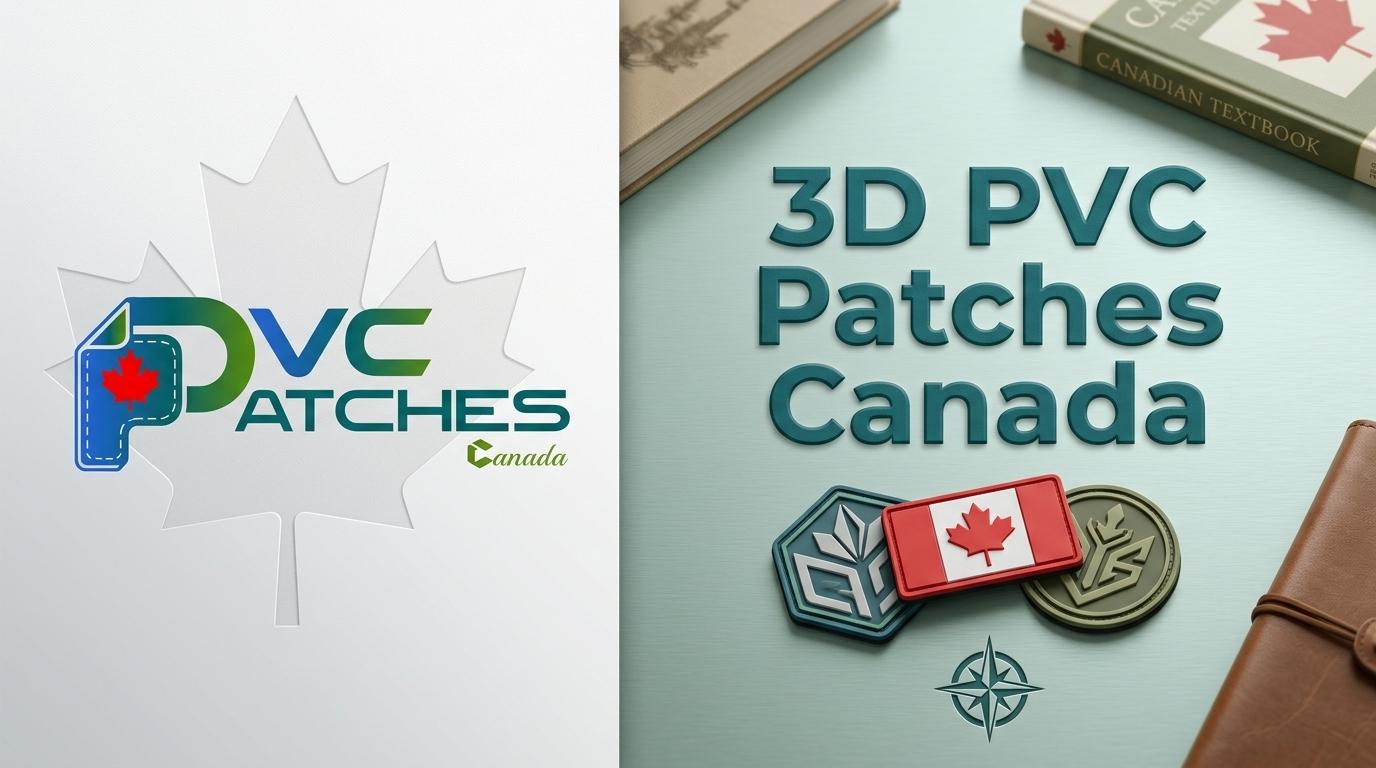
Custom patches are used to identify teams, represent organisations, personalise clothing, and add character to everyday equipment. However, choosing the right patch involves more than selecting a logo or colour. Design depth, material quality, backing type, and intended use all influence the final result. For Canadian businesses, clubs, outdoor groups, and individuals, understanding the features of 3D PVC Patches Canada can help make patch designs more practical, recognisable, and suitable for different environments.
Three-dimensional PVC patches stand out because their raised surfaces create depth and texture. Unlike traditional flat designs, they use moulded layers to give selected details a more noticeable appearance. This article explores how these patches are made, where they are useful, and what to consider when planning a design.
What Makes a PVC Patch Three-Dimensional?
A three-dimensional PVC patch is generally made from polyvinyl chloride, a flexible synthetic material that can be moulded into different shapes and thicknesses. Its raised sections create a layered appearance, allowing certain parts of a design to stand above the background.
This construction makes it possible to highlight important visual elements without relying entirely on printed details or thread.
Raised Details and Layered Designs
The defining feature of a 3D patch is its physical depth. For example, a club emblem might have a raised central symbol, a recessed background, and separate raised lettering around the edge.
These layers help create contrast through both colour and texture. They can also make a design easier to recognise from different angles.
Differences Between Flat and 3D PVC Patches
Flat PVC patches generally have a more level surface, making them suitable for straightforward graphics, simple lettering, and designs with limited depth requirements.
Three-dimensional versions offer additional visual structure. Raised borders, symbols, and lettering can create a more pronounced appearance.
Neither style is automatically better. A flat design may be more appropriate for a detailed graphic with many small elements, while a 3D design can work particularly well when the main objective is to emphasise a symbol or logo.
How Are 3D PVC Patches Manufactured?
Understanding the manufacturing process helps explain why design preparation matters. Although production methods can vary, moulding is central to creating the raised features associated with PVC patches.
Preparing the Artwork
The process begins with a digital design. This artwork identifies the shape, colours, lettering, borders, and individual design elements.
For a three-dimensional patch, the artwork must also show which sections should be raised and which should remain recessed. Clear separation between these areas helps manufacturers understand the intended structure.
Designers should avoid unnecessary detail at this stage. Very small text, thin lines, or tightly packed shapes may become difficult to reproduce clearly after moulding.
Creating the Mould
A mould is prepared according to the approved design. It provides the structure that determines the patch's outline, surface levels, and raised details.
The quality of the mould is important because it influences the consistency of the finished product. Clear artwork and accurate measurements help reduce misunderstandings during production.
Adding PVC Colours and Layers
PVC material is placed into the mould, with different colours and layers used to create the required appearance. Depending on the design, raised sections may be formed separately from recessed areas.
The material is then processed and finished according to the production method. After the patch is removed from the mould, it can undergo inspection for shape, colour consistency, and surface quality.
Why Are 3D PVC Patches Useful in Canada?
Canada's varied climate and wide range of activities create different requirements for clothing accessories and identification products. A patch used on an indoor uniform may have different demands from one attached to outdoor equipment.
3D PVC Patches Canada are worth considering when a design needs a textured appearance and a flexible material suitable for everyday applications.
Suitable for Different Environments
PVC patches are commonly selected for products such as jackets, bags, uniforms, caps, and equipment. Their moulded construction gives them a distinctive appearance without using traditional embroidery.
However, the performance of a finished patch depends on several factors, including material formulation, thickness, backing, attachment method, and exposure conditions.
For example, a patch attached to a backpack may experience repeated friction, while one placed on a display garment may receive relatively little physical wear.
Practical for Outdoor Activities
Outdoor groups often use patches to identify members, display club logos, or personalise equipment. Hiking groups, camping organisations, cycling clubs, and recreational teams may find PVC designs useful because they can incorporate clear symbols and bold lettering.
For equipment used in wet or cold conditions, it is important to consider the complete attachment system. A PVC surface alone does not guarantee that a patch will remain securely attached in every environment.
Choosing the Right Backing for a PVC Patch
Backing is one of the most important decisions when ordering custom patches. It determines how the patch is attached and how easily it can be removed or repositioned.
Hook-and-Loop Backing
Hook-and-loop backing is commonly used when patches need to be removed or exchanged. One side contains small hooks, while the matching loop surface is attached to a garment, bag, or equipment panel.
This option can be useful for:
-
Uniforms with interchangeable identification patches.
-
Outdoor equipment with dedicated attachment panels.
-
Clubs that use different designs for events or membership levels.
-
Bags and jackets that need flexible customisation.
Before selecting this backing, check whether the intended item already has a compatible loop panel. A hook-backed patch will not attach securely to every fabric surface.
Sew-On Backing
Sew-on backing is suitable when a more permanent attachment is required. The patch is stitched directly onto the selected fabric or material.
It can be a practical choice for frequently used jackets, uniforms, and bags where the design is not expected to change regularly.
The stitching should be appropriate for the fabric and patch construction. Thick materials may require suitable needles and careful placement to achieve a neat finish.
Adhesive Backing
Adhesive backing offers a temporary or application-specific attachment option, depending on the adhesive used. It may be suitable for certain short-term projects, but it should not be assumed to provide the same long-term security as stitching.
Before applying an adhesive-backed patch, check the manufacturer's instructions and confirm that the adhesive is compatible with the surface.
How to Design an Effective 3D PVC Patch
A strong patch design balances appearance, readability, and manufacturing practicality. Adding more details does not necessarily make a patch better.
Start with a Clear Main Symbol
The central symbol should communicate the purpose of the patch. For example, a hiking club might use a mountain outline, while a cycling team could feature a wheel or bicycle-related graphic.
A recognisable symbol makes the patch easier to identify, particularly when viewed from a distance.
Use Colours Strategically
Colour choices should support the design rather than compete with it. Two or three main colours can often create a clear visual hierarchy.
Consider how the colours will appear against the intended garment or equipment. A patch designed for a dark jacket may need different contrast from one intended for a light-coloured bag.
Keep Text Readable
Text is often one of the most challenging parts of a small patch design. Long phrases, narrow fonts, and very small lettering can reduce readability.
A practical approach is to use short names, initials, or abbreviations. Important wording should be prioritised, while secondary information can be removed if it makes the design crowded.
Choose a Suitable Size and Shape
The patch should be large enough to display its important features but proportionate to the item receiving it.
A circular design may suit a club emblem, while a rectangular layout can accommodate a short name or identification label. Custom outlines can also follow the shape of a symbol.
Before production, review the design at its actual intended size rather than judging it only on a large computer screen.
Common Design and Ordering Mistakes to Avoid
Even a well-planned concept can produce disappointing results if practical details are overlooked.
Including Too Many Small Elements
Tiny lettering, narrow gaps, and complicated illustrations may not translate well into moulded PVC. Simplifying the artwork often produces a cleaner result.
Ignoring the Attachment Surface
Choosing a backing without checking the garment or equipment can create problems later. For example, hook-and-loop backing requires a compatible loop surface.
Always consider where and how the patch will be used before confirming the backing type.
Overlooking Thickness and Raised Levels
A 3D patch needs enough depth to create a noticeable effect, but excessive thickness may not suit every application. A bulky design might be less comfortable on lightweight clothing.
The appropriate depth depends on the patch size, artwork, and intended placement.
Approving Artwork Without Checking Details
Before production, review the final proof carefully. Check spelling, colour references, proportions, borders, and the placement of raised sections.
It is also useful to confirm the finished dimensions and backing specifications in writing. This reduces the risk of receiving a product that differs from the original expectations.
Caring for and Maintaining PVC Patches
Regular care can help maintain the appearance of PVC patches, especially when they are attached to frequently used clothing or equipment.
Basic Cleaning
For ordinary dirt, use a soft cloth with mild soap and water. Gently wipe the surface and remove any remaining soap with a clean, damp cloth.
Avoid harsh chemicals, abrasive brushes, or aggressive scrubbing, as these may affect the surface or surrounding fabric.
Washing Clothing with Attached Patches
Always check the garment and patch care instructions before washing. If the patch has removable hook-and-loop backing, removing it before washing may help prevent unnecessary friction and lint accumulation.
For permanently attached patches, follow the clothing manufacturer's washing guidance. Avoid assuming that every patch, backing, and garment can tolerate the same washing temperature.
Storage and Everyday Handling
When patches are not in use, store them in a clean, dry place. Keep hook-and-loop surfaces free from lint, dust, and loose fibres so the attachment system can function properly.
For equipment used outdoors, inspect the patch and its attachment periodically. Addressing loose stitching or accumulated debris early can help prevent further wear.
Where Can 3D PVC Patches Be Used?
The flexibility of PVC moulding allows these patches to serve different purposes across personal, recreational, and professional settings.
Business and Organisation Branding
Businesses may use custom patches on staff uniforms, promotional clothing, bags, and accessories. A raised logo can help distinguish a brand while providing a different look from conventional printed labels.
The design should remain consistent with the organisation's visual identity, including its colours, logo proportions, and typography.
Sports Teams and Clubs
Sports clubs can use patches to identify teams, represent achievements, or distinguish different membership groups. A simple raised emblem can work well on jackets, kit bags, and caps.
Outdoor and Recreational Groups
Camping, hiking, cycling, and other outdoor communities may use patches to represent group identity or personalise equipment. For these applications, backing choice and attachment security deserve particular attention.
Personal Accessories
Individuals can use 3D PVC patches to customise backpacks, caps, jackets, and other accessories. Names, initials, symbols, and original artwork can turn an ordinary item into something more distinctive.
Conclusion
Three-dimensional PVC patches combine moulded depth, flexible design possibilities, and practical applications. Their raised details can make logos and symbols more noticeable, while different backing options allow them to be used on clothing, bags, uniforms, and equipment.
When planning 3D PVC Patches Canada, the most important considerations include artwork simplicity, colour contrast, patch dimensions, backing compatibility, and the conditions in which the finished product will be used. Careful preparation and a thorough review of the final design can help avoid common production problems.
Whether intended for a business, sports club, outdoor group, or personal accessory, a well-designed 3D PVC patch should balance visual impact with everyday practicality.

 English
 Arabic
 French
 Spanish
 Portuguese
 Deutsch
 Turkish
 Dutch
 Russian
 Romaian
 Portuguese (Brazil)
 Greek
