


 About Urh Social
 Terms of Service
 سياسة الخصوصية
 Contact
Can PRP Be Considered for Hair Loss After Stopping Hormonal Medication?
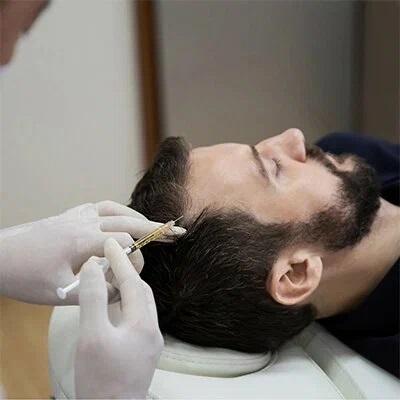
Noticing increased hair shedding after stopping hormonal medication can be worrying. You may wonder whether your hair will return to its previous thickness or whether you need an additional treatment to support regrowth.
Platelet-rich plasma (PRP) therapy is one option people explore when dealing with persistent hair thinning. However, whether it is suitable after stopping hormonal medication depends on the type of medicine, the reason it was prescribed, and the underlying cause of hair loss.
For people considering PRP Hair Treatment in Islamabad, understanding these factors is important before starting injections. PRP may help selected patients, but it is not automatically the right solution for every case of medication-related hair shedding.
Why Can Hair Loss Occur After Stopping Hormonal Medication?
Hormones influence several processes in the body, including the hair growth cycle. Certain medications affect hormone levels or hormone activity, which can influence hair growth in people who are sensitive to these changes.
After stopping a hormonal medication, the body may experience changes as it adjusts. Depending on the medication and individual circumstances, these changes may contribute to temporary shedding or reveal an existing hair-loss condition.
The timing of hair loss can provide useful clues, but it does not confirm the cause. A dermatologist needs to consider your medication history, symptoms, and hair-loss pattern before recommending treatment.
1. Which Hormonal Medications May Be Associated With Hair Changes?
Different hormonal medications have different purposes and effects. Some are prescribed for reproductive health, while others are used for endocrine conditions or hormone-related symptoms.
For example, changes in hormonal contraception may be followed by temporary hair shedding in some individuals. Other treatments that influence androgen activity or thyroid hormone levels may also affect hair growth, depending on the underlying condition and how medication is changed.
However, not everyone experiences hair loss after stopping these medicines. The specific medication and the reason it was prescribed matter more than simply labelling it as hormonal treatment.
Never stop, restart, or change a prescribed hormonal medication without discussing it with the doctor who manages your treatment.
2. Is Hair Shedding After Stopping Medication Temporary?
In some cases, increased shedding may be temporary. A change in the body's hormonal environment can disrupt the normal hair growth cycle, causing more hairs than usual to enter the shedding phase.
This type of shedding is sometimes associated with telogen effluvium. It can occur after medication changes, illness, significant stress, nutritional deficiencies, or other physical changes.
Hair shedding may become noticeable several weeks or months after the triggering event. Recovery depends on whether the underlying trigger has settled and whether other causes of hair loss are present.
If shedding continues, becomes severe, or produces visible patches, a medical assessment is important rather than assuming that it will resolve on its own.
3. Can PRP Help With Hair Loss After Stopping Hormonal Medication?
PRP therapy uses platelet-rich plasma prepared from a small sample of the patient's blood. Platelets contain growth factors involved in tissue repair and cellular signalling, and PRP is being studied for its potential role in supporting hair follicle activity.
It may be considered for selected patients with androgenetic alopecia, also known as pattern hair loss. However, evidence for PRP specifically treating hair loss caused by stopping hormonal medication is limited.
PRP does not correct hormonal imbalances or replace medication that is medically necessary. Its possible role depends on the actual diagnosis and whether the hair follicles remain capable of producing hair.
If the shedding is temporary and related to a recent medication change, the dermatologist may recommend monitoring and addressing the trigger before considering injections.
4. What Should Be Checked Before PRP Hair Treatment in Islamabad?
A proper assessment helps determine whether the hair loss is temporary, hormonal, genetic, or related to another medical condition. It also prevents patients from undergoing a procedure that may not address the real problem.
Before recommending PRP Hair Treatment in Islamabad, a practitioner may consider:
-
Medication history: Which hormonal medicine was stopped, when it was stopped, and why it was prescribed.
-
Hair-loss pattern: Whether thinning is diffuse, concentrated around the hairline, or affecting the crown or other areas.
-
Medical history: Relevant hormonal conditions, recent illness, stress, and family history of hair loss.
-
Blood investigations: Tests may be recommended when symptoms suggest thyroid problems, iron deficiency, or another underlying issue.
-
Scalp examination: Assessment of follicle health, inflammation, and signs of scarring or other scalp conditions.
Not every patient needs the same tests or treatment plan. Investigations should be selected according to symptoms and clinical findings.
5. What If Hormonal Imbalance Is Still Present?
If an underlying hormonal condition remains untreated, PRP alone is unlikely to address the main cause of hair loss. For example, thyroid disorders and certain androgen-related conditions can affect hair growth and may require medical management.
A dermatologist may work with an endocrinologist or another relevant specialist when hormonal investigations indicate an ongoing problem. Treating the underlying condition may be more important than immediately starting a cosmetic hair procedure.
Hair restoration planning should consider both scalp health and general hormonal health. Patients should not rely on PRP to compensate for an untreated medical condition.
6. When Might PRP Be a Suitable Option?
PRP may be discussed when the underlying cause of hair loss has been assessed and the patient has a type of thinning that may respond to treatment. The presence of functioning follicles is important because PRP cannot reliably restore hair in areas where follicles have been permanently destroyed.
A patient with pattern hair loss alongside temporary medication-related shedding may need a different plan from someone experiencing only short-term diffuse shedding.
The practitioner should explain the expected number of sessions, possible maintenance, limitations, and alternative treatments. Suitability should be based on diagnosis rather than the assumption that all hair shedding needs injections.
7. What Other Treatments May Be Discussed?
PRP is not the only option for managing hair loss. Depending on the diagnosis, a dermatologist may recommend observation, medical treatment, nutritional correction, or a combination of approaches.
For example, some patients with pattern hair loss may benefit from established treatments such as topical minoxidil, while others may need treatment for thyroid problems or confirmed nutritional deficiencies. The appropriate choice depends on individual circumstances and medical advice.
If medication changes are suspected to be responsible, the prescribing doctor should also review whether the original treatment needs adjustment or replacement.
A treatment plan should address the cause of hair loss, not just its visible symptoms.
8. How Long Should You Wait Before Considering PRP?
There is no single waiting period that applies to everyone. The timing depends on the medication involved, the reason it was stopped, the pattern of shedding, and whether the underlying trigger has resolved.
In cases of suspected telogen effluvium, a dermatologist may recommend monitoring the hair cycle over time before deciding whether additional treatment is necessary. If pattern hair loss is also present, treatment may be considered earlier based on the clinical assessment.
Waiting does not mean ignoring persistent hair loss. It means allowing enough time to understand what is happening while seeking medical advice when symptoms continue or worsen.
Frequently Asked Questions
Can PRP reverse hair loss caused by stopping birth control?
PRP is not an established treatment specifically for hair shedding after stopping hormonal contraception. A dermatologist should first assess whether the shedding is temporary or whether another condition is contributing.
Should I restart hormonal medication to stop hair loss?
Do not restart medication without consulting the prescribing doctor. The decision depends on why it was originally prescribed and your current health needs.
Can PRP help if hormonal hair loss has become permanent?
PRP may be considered for selected conditions where functioning follicles remain, but it cannot reliably restore follicles that have been permanently destroyed. An examination is necessary to assess potential options.
Final Thoughts
Hair loss after stopping hormonal medication does not always mean permanent damage. Some people experience temporary shedding, while others may have an underlying hormonal or genetic condition that needs separate treatment. Before considering PRP Hair Treatment in Islamabad, seek an assessment to identify the cause and determine whether PRP is likely to be useful.
Dynamic Aesthetic Clinic offers personalised aesthetic care supported by experienced medical expertise, board-certified surgeons, and advanced treatment techniques. Patients concerned about hair thinning can consult the team to discuss their medical history, scalp condition, and suitable hair-restoration options.

 English
 French
 Spanish
 Portuguese
 Deutsch
 Turkish
 Dutch
 Italiano
 Russian
 Romaian
 Portuguese (Brazil)
 Greek
