


 About Urh Social
 Terms of Service
 Datenschutzbestimmungen
 Contact
When Is Subcision Preferred Over Laser Scar Treatment?
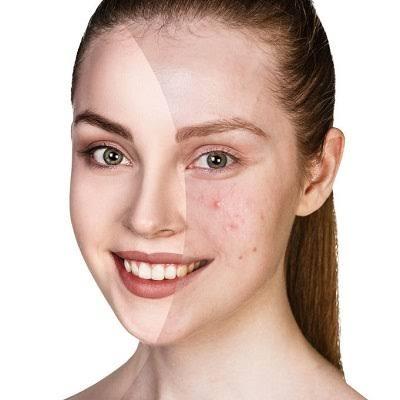
Not all acne scars respond to the same treatment. Some create uneven skin texture, while others pull the skin downwards and form visible depressions. Choosing the wrong procedure may lead to limited improvement, even when the treatment itself is effective.
This is why understanding the structure of a scar matters before starting treatment. Subcision and laser resurfacing are both used for certain types of facial scarring, but they work differently. For patients considering a Facial Scar in Islamabad treatment, knowing when subcision may be preferred over laser can help them make an informed decision.
What Is Subcision?
Subcision is a minimally invasive procedure used to treat selected depressed scars, particularly rolling acne scars. These scars often develop when fibrous bands beneath the skin pull the surface downwards, creating an uneven or wavy appearance.
During subcision, a trained practitioner inserts a specialised needle or instrument beneath the scar to release these attachments. Once the bands are loosened, the skin may lift and appear smoother as healing progresses.
Subcision focuses on the underlying cause of tethered scars rather than simply treating the skin's surface. This makes it useful when deep attachments contribute to facial depressions.
What Is Laser Scar Treatment?
Laser scar treatment uses controlled light energy to improve selected skin concerns. Depending on the technology, it may target redness, pigmentation, uneven texture, or depressed acne scars by stimulating collagen production and skin renewal.
Fractional CO2 lasers, for example, create controlled treatment zones that encourage the skin's natural repair process. Other laser systems may focus more on redness or pigmentation rather than deeper textural changes.
Laser resurfacing can be useful for certain scars, but it does not directly release the fibrous bands responsible for tethered rolling scars. Its main advantage is improving surface texture and selected skin irregularities.
When Is Subcision Preferred Over Laser?
Subcision may be preferred when the main problem is a depressed scar connected to deeper fibrous tissue. If the skin appears pulled down rather than simply rough or discoloured, resurfacing alone may not address the underlying issue.
A specialist may consider subcision when:
-
Rolling acne scars are present: These create a wavy appearance because fibrous bands pull the skin downwards.
-
The scar is tethered: The depressed area may remain fixed when the surrounding skin is stretched or moved.
-
Surface treatments have provided limited improvement: Laser resurfacing may improve texture but leave deeper attachments untreated.
-
The cheeks have uneven depressions: Subcision may help release selected bands responsible for the sunken appearance.
-
A combination approach is needed: Releasing the underlying attachments first may help prepare the area for later resurfacing.
The decision depends on the scar's structure, not simply how deep or visible it looks.
Which Acne Scars Respond Better to Subcision?
Subcision is particularly useful for rolling scars, which usually have sloping edges and an uneven surface. Their appearance is often linked to fibrous attachments beneath the skin.
Some depressed boxcar scars may also be considered for subcision if tethering is present. However, narrow ice pick scars generally require different techniques because their structure is deeper and more concentrated.
A proper examination helps distinguish between scars that are tethered and those that mainly need surface resurfacing. Not every depressed scar is suitable for subcision.
When Is Laser Treatment a Better Choice?
Laser treatment may be more appropriate when the main concern involves uneven surface texture, shallow depressions, redness, or pigmentation. It can improve the appearance of selected scars without directly releasing deeper tissue attachments.
For example, shallow boxcar scars and general textural irregularities may respond to resurfacing, depending on their depth and the patient's skin type. Certain vascular lasers may also help with persistent redness around scars.
Laser treatment may be considered when:
-
The scars are mostly superficial.
-
The main concern is rough or uneven skin texture.
-
Redness or pigmentation is more noticeable than skin depression.
-
The patient is suitable for the selected laser technology.
The correct laser depends on the specific skin concern and should not be selected solely because it is a popular treatment.
Can Subcision and Laser Be Used Together?
Yes. In many cases, combining procedures can provide a more comprehensive approach because acne scars often have several underlying features.
For example, a patient may have rolling scars on the cheeks and shallow depressions across the temples. Subcision may be used to release tethered areas, while fractional laser resurfacing may later help improve the remaining surface irregularities.
These treatments are not necessarily performed during the same appointment. A specialist may recommend separate sessions to allow the skin to recover and assess the response before proceeding.
Treating deeper attachments and surface texture separately can be more suitable than relying on one procedure for every scar.
What Happens During Subcision?
Before the procedure, the specialist examines the skin and identifies the areas where fibrous bands may be causing depressions. The treatment area is cleaned, and local anaesthesia is generally used to improve comfort.
A specialised instrument is inserted beneath the selected scar and moved carefully to release the tethering. The procedure may cause some pressure or movement sensations, but discomfort is usually managed with appropriate anaesthesia.
After treatment, temporary swelling, bruising, and tenderness may occur. The exact technique depends on the scar location, depth, and individual skin condition.
What Is Recovery Like After Subcision?
Recovery varies depending on the number of scars treated and the extent of tissue release. Bruising, swelling, tenderness, and temporary firmness beneath the skin are possible.
Patients may need several days before visible swelling and bruising begin to settle, although recovery can take longer in some cases. Following aftercare instructions and avoiding unnecessary pressure on the treated area are important.
Laser resurfacing has a different recovery pattern. Fractional CO2 laser treatment may cause redness, peeling, and temporary sensitivity, while more intensive resurfacing can involve longer downtime.
People in Pakistan should pay particular attention to sun protection after either procedure. Protecting healing skin helps reduce the risk of pigmentation changes.
Are There Any Risks?
Both procedures have potential side effects. Subcision may cause bruising, swelling, bleeding, infection, temporary lumps, or injury to nearby structures if performed incorrectly.
Laser treatment can cause redness, irritation, pigmentation changes, infection, and, less commonly, additional scarring. People with medium to deeper skin tones may have a higher risk of post-inflammatory hyperpigmentation after certain resurfacing procedures.
A qualified practitioner should review medical history, skin tone, previous treatments, and any tendency towards abnormal scarring. Professional assessment is essential before choosing either treatment.
How Do You Choose the Right Treatment in Islamabad?
The best option depends on what is causing the scar to look uneven. A patient with tethered rolling scars may benefit more from subcision, while someone with superficial texture concerns may be a better candidate for laser resurfacing.
Anyone searching for a Facial Scar in Islamabad treatment should choose a clinic that offers proper scar assessment and explains the advantages and limitations of each procedure. Ask about the practitioner's experience, expected sessions, recovery period, and possible complications.
Avoid clinics that promise completely scar-free skin or recommend the same procedure for every patient. A personalised treatment plan is more important than choosing the most advertised technology.
Final Thoughts
Subcision is generally preferred when fibrous bands pull depressed scars downwards, while laser treatment may be more suitable for surface texture, redness, and selected shallow scars. Some patients may benefit from a combination of both procedures, depending on their individual scar pattern. Dynamic Aesthetic Clinic offers expertise in aesthetic scar treatments, with board-certified surgeons and advanced techniques to help patients explore suitable options for improving different facial scar concerns.

 English
 Arabic
 French
 Spanish
 Portuguese
 Turkish
 Dutch
 Italiano
 Russian
 Romaian
 Portuguese (Brazil)
 Greek
