


 About Urh Social
 Terms of Service
 Privacy Policy
 Contact
Smart Locking Systems UK: Types, Benefits & Installation
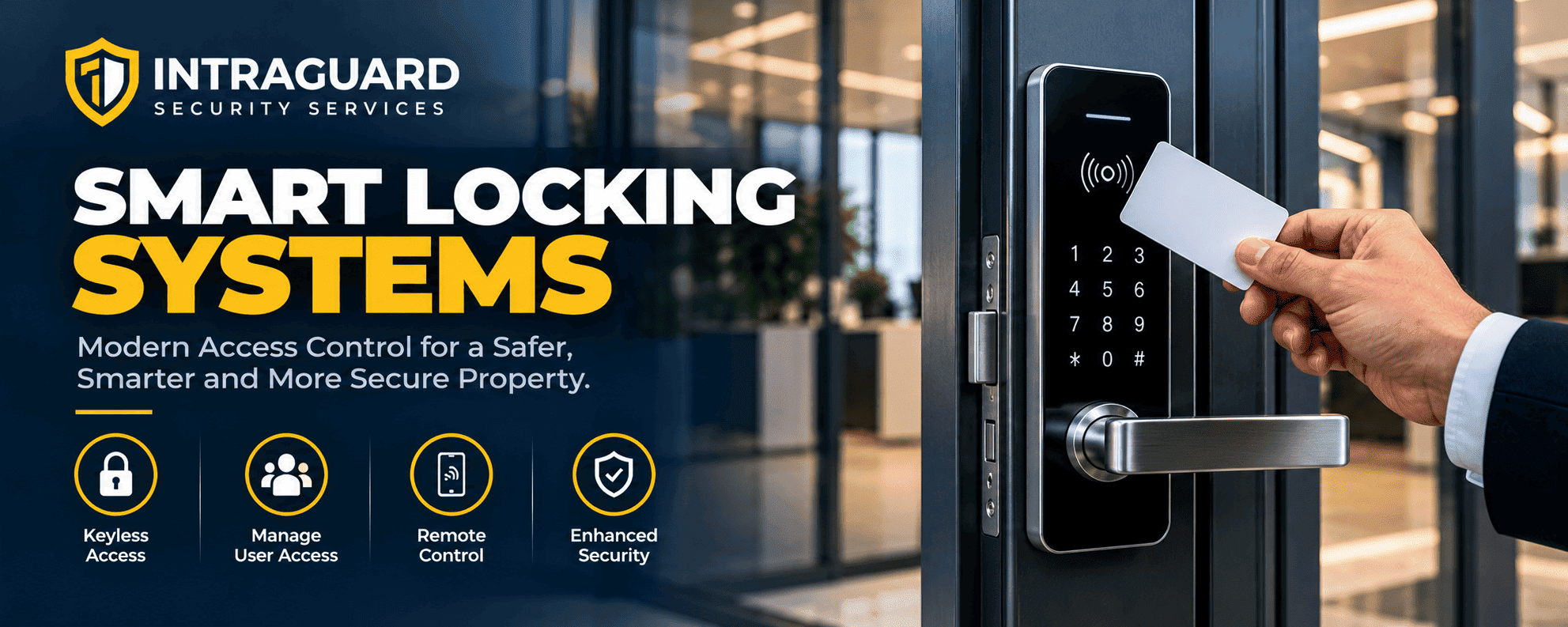
Introduction
Protecting commercial premises is essential for businesses that want to prevent unauthorised access, safeguard valuable assets, and maintain a secure working environment. Traditional locks and physical keys provide basic security, but they can become difficult to manage as businesses grow and access requirements change.
Smart locking systems offer a modern solution by allowing businesses to control door access through electronic credentials instead of relying entirely on traditional keys. These systems use technologies such as PIN codes, keycards, mobile applications, and biometric authentication to manage entry.
Modern smart locks also provide features such as remote access management, activity records, and integration with compatible security systems.
Whether you manage an office, warehouse, retail store, or commercial building, understanding smart locking technology can help you choose a suitable security solution.
What Are Smart Locking Systems?
Smart locking systems are electronic security solutions that control access to buildings, rooms, and restricted areas using digital authentication.
Unlike traditional mechanical locks, smart locks can verify electronic credentials before allowing entry.
Depending on the model, users may unlock doors using smartphones, access cards, key fobs, PIN codes, or biometric information.
Many commercial smart locks connect to an access management platform, allowing authorised administrators to manage permissions and review entry records.
For example, an office manager can provide temporary access to a contractor without issuing a physical key.
When the work is completed, the contractor's access permissions can be removed or allowed to expire.
These capabilities make smart locking systems useful for businesses that require flexible, controlled access to their premises.
Why Are Smart Locking Systems Important for Businesses?
Commercial properties often accommodate employees, visitors, contractors, delivery personnel, and maintenance teams.
Managing access through physical keys can become complicated, especially when staff members leave or multiple people require entry to restricted areas.
Lost keys may require lock replacement or rekeying, while shared keys can make it difficult to identify who entered a particular room.
Commercial smart locking systems provide greater control over building access by allowing administrators to issue, modify, or revoke electronic permissions.
Businesses can also restrict entry to specific times or designated doors.
For example, a warehouse employee may receive access to operational areas during assigned shifts, while management personnel may have broader permissions.
This approach helps organisations maintain clearer access procedures and reduce unnecessary security risks.
Different Types of Smart Locking Systems
Smart locking technology is available in several forms, with different authentication methods and management features.
Keypad Smart Locks
Keypad smart locks allow authorised users to enter a numeric PIN code to unlock a door.
These systems are commonly used in offices, staff rooms, storage facilities, and other commercial spaces.
Individual PIN codes can provide more accountability than shared credentials when the system supports separate user records.
Administrators can change or disable codes when required.
However, businesses should avoid weak or widely shared PINs, as these can increase the risk of unauthorised access.
RFID Card and Key Fob Smart Locks
RFID smart locks use compatible electronic cards or key fobs to verify access permissions.
Users present their credentials to a reader, which communicates with the locking system.
These solutions are commonly installed in office buildings, hotels, warehouses, and multi-occupancy properties.
Lost cards can be disabled without replacing the physical lock.
This makes RFID systems practical for businesses that regularly manage employee access.
Bluetooth and Mobile Smart Locks
Mobile smart locks allow compatible smartphones to function as digital access credentials.
Depending on the equipment, these systems may use Bluetooth, NFC, or connected access management technology.
Authorised users can unlock doors using supported applications or mobile credentials.
Businesses may also issue time-limited digital access to visitors and contractors.
Mobile smart locking is particularly useful for organisations seeking flexible credential management across multiple locations.
Biometric Smart Locks
Biometric smart locks verify identity using physical characteristics such as fingerprints or facial recognition.
These systems may be suitable for restricted commercial areas requiring additional identity verification.
However, biometric technology creates important privacy and data protection responsibilities.
In the UK, biometric information processed to uniquely identify a person is generally treated as special category personal data, requiring appropriate legal grounds and safeguards.
Businesses should carefully assess whether biometric authentication is necessary before installing these systems.
Cloud-Based Smart Locking Systems
Cloud-based smart locks connect to an online management platform that supports remote administration.
Authorised managers can update access rights, review supported activity records, and control multiple locations.
These systems are particularly useful for businesses with several offices, warehouses, or commercial properties.
However, remote functionality depends on the product, connectivity, cybersecurity configuration, and subscription arrangements.
Key Features of Modern Smart Locking Systems
Smart locking systems offer different capabilities depending on the hardware, software, and installation configuration.
Keyless Entry and Access Management
One of the main advantages of smart locks is reducing dependence on physical keys.
Users can enter buildings using approved electronic credentials, while administrators maintain control over permissions.
This simplifies access management when employees change roles or leave the organisation.
Remote Lock Management
Selected smart locking systems allow administrators to manage compatible doors remotely.
Permissions can be updated without physically visiting every location.
This is particularly useful for businesses operating multiple sites or regularly managing temporary contractors.
Entry Logs and Activity Monitoring
Many commercial smart locks record access events, including credential identification and entry times.
These records can help authorised personnel investigate security concerns.
However, access logs must be managed appropriately under relevant data protection requirements.
Integration With Other Security Systems
Compatible smart locking systems can integrate with CCTV, intruder alarms, and wider access control platforms.
For example, an access event may be linked to camera footage for security review.
Integration capabilities depend on the products and management software involved.
Professional Smart Lock Installation for Commercial Properties
Professional smart lock installation helps ensure that electronic locking equipment operates reliably and meets the building's security and safety requirements.
Correct installation requires more than attaching a digital lock to an existing door.
Initial Security Assessment
The installation process begins with reviewing the property, door types, access requirements, and existing security arrangements.
Important considerations include the number of controlled entrances, authorised users, and areas requiring additional protection.
A site assessment helps determine whether the proposed locking equipment is suitable for the building.
Selecting Suitable Smart Locks
Different doors require different locking mechanisms.
Some smart locks are designed for existing mechanical locks, while others require compatible electronic door hardware.
The chosen system should support the intended authentication methods and management requirements.
Commercial fire doors and emergency escape routes require particular attention to ensure safe operation.
Installation and Configuration
Installers fit the selected locking hardware and configure electronic access settings.
This may include user credentials, access schedules, administrator permissions, and compatible software connections.
The completed installation should be tested to confirm that doors lock and unlock correctly.
Testing and Handover
Testing should cover credential operation, access permissions, emergency release arrangements, and relevant communication functions.
Administrators should also receive appropriate instructions for managing users and maintaining the equipment.
Smart Locking Systems for Different Business Environments
Smart locks can be used across various commercial properties, depending on their security requirements.
Offices and Corporate Buildings
Office smart locks help control entrances, meeting rooms, server rooms, and staff-only areas.
They allow businesses to provide different access permissions to employees, visitors, and contractors.
Warehouses and Industrial Facilities
Warehouses often contain valuable stock, equipment, and restricted operational spaces.
Smart locks can help control access to storage rooms, management offices, and designated entrances.
Retail Stores
Retail businesses may use smart locking systems to secure stockrooms, cash-handling areas, and administrative offices.
Electronic access permissions can reduce reliance on shared physical keys.
Multi-Site Commercial Properties
Businesses managing several locations can benefit from smart locking systems with centralised administration.
Compatible platforms allow access permissions to be managed across multiple properties, reducing repetitive manual processes.
How Much Do Smart Locking Systems Cost in the UK?
Smart locking system costs depend on the lock type, number of doors, authentication technology, installation requirements, and software features.
A standalone keypad lock may cost less than a networked commercial system serving multiple entrances.
Number of Controlled Doors
Each additional door may require compatible locks, readers, controllers, and installation work.
Larger commercial properties generally involve more complex access management requirements.
Authentication Technology
PIN-based, RFID, mobile, and biometric smart locks have different hardware and software costs.
Advanced authentication options may increase the initial investment.
Installation and Integration
Existing door hardware, electrical requirements, connectivity, and integration with other security equipment can affect installation costs.
Some systems also require ongoing software subscriptions.
Businesses should request a quotation that includes equipment, installation, configuration, and maintenance requirements.
Smart Lock Security and Maintenance
Smart locks require regular maintenance to remain reliable.
Depending on the system, maintenance may include battery checks, software updates, mechanical inspections, and access permission reviews.
Businesses should also use secure administrator credentials and remove access rights when they are no longer required.
Emergency escape arrangements are particularly important. Electronic locks installed on escape routes must not prevent occupants from leaving safely during an emergency.
Relevant UK guidance includes BS 7273-4 for appropriate fire alarm interfaces and applicable escape hardware standards, depending on the door and building design.
NSI+1
Why Choose Intraguard for Smart Locking Systems?
Intraguard provides professional commercial smart lock installation for offices, warehouses, industrial facilities, and other business premises across the UK.
Its services include keyless entry installation, digital access management, smart lock configuration, and integration with compatible security systems.
Intraguard's in-house installation team fits supplier-sourced hardware and configures systems around the property's doors, user requirements, and operational needs.
Businesses can choose suitable authentication methods, including PIN codes, keycards, key fobs, mobile credentials, and supported biometric options.
Smart locking arrangements can also support access records, permission changes, and centralised management across compatible locations.
Keyless Access for Business
This approach helps businesses maintain clearer access control while reducing the difficulties associated with traditional key management.
Conclusion
Smart locking systems provide a modern way to manage building access and strengthen commercial property security.
From keypad locks and RFID credentials to mobile access and cloud-managed platforms, different technologies support a wide range of business requirements.
When choosing smart locking systems in the UK, businesses should consider authentication methods, door compatibility, installation costs, cybersecurity, and emergency escape requirements.
Professionally installed and properly maintained smart locks can simplify access management, reduce risks associated with lost keys, and support more efficient building operations.
Frequently Asked Questions (FAQs)
What is a smart locking system?
A smart locking system is an electronic security solution that controls door access through digital credentials such as PIN codes, keycards, smartphones, or biometric authentication. Many systems also support electronic permission management.
How much does smart lock installation cost in the UK?
Installation costs depend on the lock type, number of doors, authentication technology, existing door hardware, and software requirements. Commercial properties generally require a site assessment for accurate pricing.
Are smart locking systems more secure than traditional locks?
Smart locking systems can provide greater control over permissions and access records. However, their security depends on hardware quality, correct installation, cybersecurity measures, and ongoing maintenance.
Can smart locks be installed on existing commercial doors?
Yes, some smart locks can be fitted to existing doors. However, compatibility depends on door construction, locking hardware, fire safety requirements, and the selected equipment.
Do smart locking systems work without the internet?
Many smart locks support local credentials or offline operation, but this varies by model. Remote management and cloud functions may become unavailable during an internet outage.
Can smart locks integrate with CCTV and access control systems?
Yes. Compatible smart locking systems can integrate with CCTV, alarms, and access management platforms. Integration depends on supported hardware and software.
Are biometric smart locks suitable for businesses?
Biometric smart locks may be suitable for certain restricted areas. However, organisations must carefully consider privacy, data protection, and whether biometric identification is necessary.
What happens when a smart lock battery runs out?
The result depends on the lock design. Some systems provide low-battery warnings, emergency power connections, or mechanical override options. Businesses should confirm the available backup arrangements before installation.
Can smart locks be managed across multiple business locations?
Yes. Certain cloud-based and centrally managed systems allow authorised administrators to manage doors, credentials, and access permissions across several sites.
How often should smart locking systems be maintained?
Maintenance depends on the manufacturer's recommendations and operating conditions. Regular checks should include batteries, locking mechanisms, access permissions, software updates, and emergency operation where applicable.

 English
 Arabic
 French
 Spanish
 Portuguese
 Deutsch
 Turkish
 Italiano
 Russian
 Romaian
 Portuguese (Brazil)
 Greek
