


 About Urh Social
 Terms of Service
 سياسة الخصوصية
 Contact
Breast Reduction Recovery: What to Expect
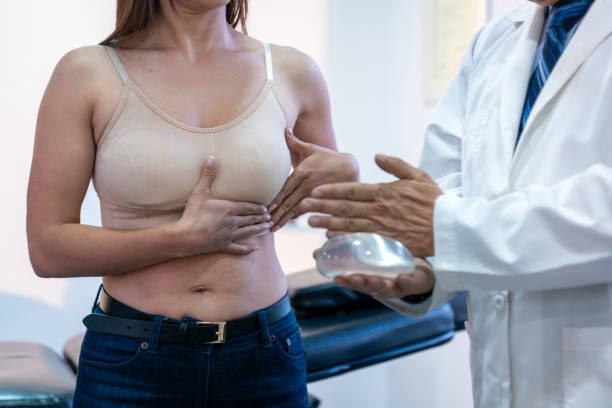
Breast reduction surgery can help reduce the physical discomfort associated with overly large breasts while creating a breast shape that feels more comfortable and balanced. However, understanding the healing process is just as important as preparing for the procedure itself. Breast Reduction Surgery in Riyadh involves a recovery period during which patients need appropriate rest, follow-up care, and realistic expectations about their results. Knowing what happens after surgery can help you feel more confident and prepared for each stage of healing.
For patients considering breast reduction in riyadh, recovery is an important part of the treatment journey. The healing timeline varies depending on the surgical technique, the amount of tissue removed, and each person's general health. Although some patients resume light daily activities relatively early, complete healing takes longer. Following your surgeon's instructions can help support recovery and reduce the risk of complications.
What Happens Immediately After Breast Reduction Surgery?
Following surgery, patients are monitored as they recover from anesthesia. Some soreness, swelling, bruising, and temporary changes in breast sensation are expected during the early healing period. Your breasts may feel tender or tight, and your movements may be limited for a short time.
Your surgical team may recommend prescribed medication to manage discomfort and provide instructions for caring for your incisions. A supportive surgical bra may also be advised to help reduce swelling and support the breasts while they heal. It is important to follow the recommended care routine instead of relying on general advice from other patients.
Breast Reduction Recovery Timeline
The First Few Days
The first few days are generally focused on rest and managing discomfort. You should avoid strenuous activities, heavy lifting, and movements that place pressure on your chest. Keeping essential items nearby and arranging help with household tasks can make this period more manageable.
Mild swelling and bruising are common, and the breasts may initially appear higher or firmer than expected. These changes usually improve gradually as healing progresses. Follow your clinic's guidance regarding bathing, dressing changes, and attending follow-up appointments.
The First Two Weeks
During the first two weeks, many patients begin to feel more comfortable and may gradually return to light activities, depending on their healing progress. However, fatigue and tenderness can continue, so it is important not to rush the process.
Your surgeon will advise when you can return to work, drive, or resume routine activities. Jobs involving physical effort may require a longer recovery period than desk-based work. Avoid exercising or lifting heavy objects until your surgical team confirms that it is safe.
The Following Weeks and Months
Swelling and bruising generally continue to decrease over the following weeks. Breast shape and position gradually settle as the tissues heal, although subtle changes may continue for several months. Scars can appear prominent or darker initially before gradually becoming less noticeable.
Final results take time to develop. Keeping follow-up appointments allows your surgeon to assess healing, monitor scar development, and address concerns about breast shape or sensation.
Tips for a Smooth Breast Reduction Recovery
Follow Your Aftercare Instructions
Your surgeon's instructions should guide your recovery. Take prescribed medication as directed, wear the recommended supportive garment, and keep the incision areas clean according to the care plan. Avoid applying creams or other products to healing wounds unless your surgical team approves them.
Maintain Healthy Daily Habits
A balanced diet containing protein, vitamins, and other essential nutrients supports normal tissue healing. Staying hydrated and getting adequate sleep can also help your body recover. Avoid smoking and nicotine products, as they can interfere with blood flow and increase the risk of wound-healing problems.
Recognize Warning Signs
Some discomfort and swelling are expected, but symptoms such as sudden or rapidly increasing swelling, severe pain, spreading redness, fever, unusual discharge, or wound separation require prompt medical assessment. Chest pain or difficulty breathing requires emergency medical attention. Contact your surgical team whenever you are concerned about an unexpected change.
Frequently Asked Questions
How long does breast reduction recovery take?
Many patients gradually resume light daily activities within the first couple of weeks, depending on their progress. Complete healing and the settling of breast shape can take several months.
Is breast reduction recovery painful?
Some soreness, tightness, and tenderness are common after surgery. Discomfort usually improves over time and can often be managed with medication and appropriate aftercare.
When can I return to work after breast reduction surgery?
The timing depends on your healing progress and the physical demands of your job. Patients with desk-based work may return sooner than those whose jobs involve lifting, strenuous movement, or physical labor.

 English
 French
 Spanish
 Portuguese
 Deutsch
 Turkish
 Dutch
 Italiano
 Russian
 Romaian
 Portuguese (Brazil)
 Greek
