


 About Urh Social
 Terms of Service
 Политика конфиденциальности
 Contact
Why Does the Nose Swell After Rhinoplasty?
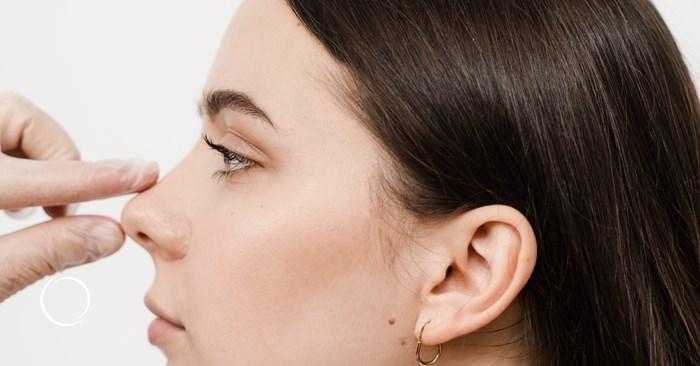
Nose swelling is a natural part of the healing process after nose reshaping surgery. It occurs as the body responds to changes made to the nasal bones, cartilage, and surrounding soft tissues. Although swelling can temporarily affect the nose's shape and definition, it gradually improves as the tissues recover. Understanding the reasons behind this response helps individuals develop realistic expectations and recognize the different stages of recovery. Rhinoplasty in Dubai is a commonly searched topic among individuals interested in understanding nose reshaping, its healing process, and the changes that occur after surgery.
What Causes Nose Swelling After Rhinoplasty?
Swelling develops when the body increases blood flow and sends healing cells and fluids to the area affected by surgery. During nose reshaping, the underlying structures may be adjusted to improve nasal proportions, refine the tip, straighten the bridge, or address breathing concerns. These changes activate the body's natural repair mechanisms, resulting in temporary inflammation.
The amount of swelling varies depending on the surgical technique, the extent of structural changes, the thickness of the skin, and the individual's healing response. Some individuals notice swelling mainly around the bridge, while others experience more noticeable fullness around the nasal tip and nostrils.
How Does the Body Respond to Nasal Surgery?
The body begins repairing the affected tissues immediately after surgery. Small blood vessels may become more permeable, allowing fluid to move into the surrounding tissues. This temporary accumulation of fluid creates puffiness and can make the nose appear wider or less defined.
As healing progresses, the body gradually reabsorbs the excess fluid and repairs the tissues. The process takes place in stages, meaning the nose does not necessarily return to its intended shape immediately. Internal healing continues even after the most visible swelling has decreased.
Which Parts of the Nose Swell the Most?
Swelling can affect different nasal areas depending on the changes made during surgery.
Nasal Tip
The nasal tip often retains swelling longer than other areas because it contains delicate cartilage, connective tissue, and skin. Refining the tip can involve detailed structural adjustments, and the surrounding tissues may need additional time to settle.
Nasal Bridge
The bridge may become swollen when surgery involves reshaping the nasal bones or adjusting the upper part of the nose. Swelling in this area can temporarily make the bridge appear broader or less defined.
Area Around the Nostrils
The tissues around the nostrils may swell when the procedure includes changes to the nasal base or lower nasal structures. This fullness generally decreases as the tissues recover.
Internal Nasal Tissues
Swelling can also occur inside the nose. The internal lining may become temporarily enlarged following surgical manipulation, which can influence airflow during the early healing period.
Does the Type of Rhinoplasty Affect Swelling?
The nature and extent of the procedure can influence how much swelling develops and how long it remains noticeable.
Open Rhinoplasty
Open rhinoplasty involves a small incision across the tissue between the nostrils, along with incisions inside the nose. This approach allows the surgeon to view and adjust nasal structures directly. Because the procedure may involve more extensive tissue exposure, swelling around the nasal tip can remain noticeable during recovery.
Closed Rhinoplasty
Closed rhinoplasty uses incisions inside the nostrils. Depending on the individual's anatomy and the changes required, this approach may involve less disruption to some surrounding tissues. However, swelling can still occur because the underlying cartilage, bones, and soft tissues may require significant adjustment.
Neither approach guarantees a particular amount of swelling or a specific recovery period. The extent of the surgery and the individual's healing response remain important factors.
How Long Does Nose Swelling Last After Rhinoplasty?
Swelling decreases gradually rather than disappearing all at once. The timeline differs from person to person, but recovery generally follows several stages.
First Week After Surgery
Swelling is often most noticeable during the initial recovery period. The nose may appear fuller, and bruising around the eyes can occur. The appearance during this stage does not represent the final surgical result.
Two to Four Weeks
A considerable amount of the initial swelling often subsides during the first few weeks. The overall shape may become easier to recognize, although the nose can still appear puffy in certain areas.
One to Three Months
The nasal contours usually become more defined as the tissues continue healing. Swelling around the bridge often becomes less prominent, while fullness around the tip may remain visible.
Six Months to One Year
Subtle swelling can persist for several months, particularly around the nasal tip. In some individuals, refinement continues for a year or longer, especially when the skin is thicker or the procedure involves extensive structural changes.
What Factors Influence Postoperative Swelling?
Several factors determine the intensity and duration of swelling after nose reshaping surgery.
Skin Thickness
Individuals with thicker nasal skin may experience longer-lasting swelling because the soft tissues can take more time to settle around the reshaped cartilage and bones.
Extent of Surgical Changes
Procedures involving extensive bone reshaping, cartilage adjustments, or multiple structural corrections may produce a more prolonged healing response.
Individual Healing Patterns
Age, general health, tissue characteristics, and natural healing differences can influence how quickly swelling resolves.
Changes to the Nasal Tip
Tip refinement may require delicate adjustments to cartilage and surrounding tissues. As a result, the tip can remain fuller for longer than the upper portion of the nose.
Activity During Recovery
Strenuous activity or accidental pressure on the nose can interfere with recovery. Following the treating surgeon's individual instructions helps protect the healing tissues.
How Is Swelling Managed During Recovery?
Recovery guidance focuses on protecting the nose and allowing the body to heal naturally. The treating surgeon may recommend keeping the head elevated, resting adequately, and avoiding activities that could place pressure on the nasal structures.
Individuals should follow the specific instructions provided for their procedure rather than relying on general advice alone. They should also attend scheduled follow-up appointments so that the healing process can be assessed.
Sudden increases in swelling, significant worsening pain, fever, heavy bleeding, or new vision problems require prompt medical assessment. These symptoms should not automatically be attributed to ordinary postoperative swelling.
What Changes Can Be Expected as Swelling Decreases?
As inflammation gradually settles, the nose may look narrower, smoother, and more defined. Changes can be particularly noticeable around the bridge and nasal tip. However, the appearance may fluctuate during recovery because the tissues continue to adapt.
The early result should not be considered the final outcome. Allowing sufficient healing time helps provide a more accurate understanding of the nose's eventual shape and proportions.
Frequently Asked Questions
Is Nose Swelling Normal After Rhinoplasty?
Yes, swelling is an expected response to surgical changes involving the nasal tissues. Its intensity varies according to the procedure and individual healing characteristics.
Why Does the Nose Tip Stay Swollen Longer?
The nasal tip contains delicate soft tissues and cartilage that may require additional time to settle after surgical refinement. Skin thickness can also influence how quickly the tip becomes defined.
Can Swelling Make the Nose Look Bigger?
Yes, temporary fluid accumulation can make the nose appear wider, rounder, or less defined than expected. These changes generally improve as the healing process progresses.
When Does the Nose Begin to Look More Defined?
Many individuals notice improved definition during the first few weeks to months. However, subtle swelling can remain for a year or longer, particularly around the tip.
Does Every Individual Experience the Same Amount of Swelling?
No, swelling differs according to anatomy, skin thickness, surgical technique, and the extent of structural changes. Each recovery period follows its own pattern.
Can Swelling Return During Recovery?
Mild fluctuations in swelling can occur as the tissues continue to heal. Persistent, sudden, or worsening swelling should be discussed with the treating surgeon to determine whether further assessment is needed.
Conclusion
Nose swelling after surgery is a natural part of the body's healing response, reflecting the repair of tissues affected by changes to the nasal bones, cartilage, and soft structures. Its duration depends on the surgical approach, the extent of correction, skin thickness, and individual recovery patterns. Understanding these factors helps individuals maintain realistic expectations and recognize that nasal definition develops gradually. Rhinoplasty in Dubai remains a relevant search topic for people seeking information about nasal reshaping, the healing process, and expected changes in appearance. With appropriate medical guidance, regular follow-up, and sufficient time for recovery, individuals can better understand the progression of healing and the gradual development of their final nasal contours.

 English
 Arabic
 French
 Spanish
 Portuguese
 Deutsch
 Turkish
 Dutch
 Italiano
 Romaian
 Portuguese (Brazil)
 Greek
