


 About Urh Social
 Terms of Service
 Privacy Policy
 Contact
Similarity Checker: How to Keep Your Writing Original and Trustworthy
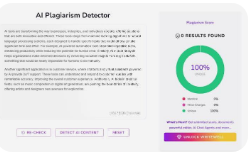
Every writer, student, and content creator eventually asks the same question: is my work truly original? Even honest authors can accidentally echo phrases they read weeks earlier, and with so much text published online, overlap is easier than ever. A reliable similarity checker helps you answer that question before anyone else does, giving you the chance to refine your work with confidence rather than worry.
What a Similarity Checker Actually Does
A similarity checker compares your text against a large collection of reference material, such as published articles, academic papers, web pages, and previously submitted documents. It then highlights passages that closely match existing sources and shows how much of your document overlaps overall.
It is important to understand what the result means. A similarity percentage is not a verdict of misconduct. Properly quoted material, common technical terms, and bibliography entries can all raise the number without any wrongdoing. The real value lies in the highlighted passages, which show you exactly where to look.
How the Technology Works
Text Fingerprinting
Most tools break a document into small segments and convert them into digital fingerprints. These fingerprints are matched against an index of known content. Because the comparison focuses on sequences of words, even lightly edited sentences, such as those where a few terms were swapped, can still be detected.
Context-Aware Matching
Newer systems go beyond exact wording. They examine sentence structure and meaning, which helps identify paraphrased material that follows a source too closely. This matters because rewording alone does not make an idea your own. Credit is still required.
Reporting and Source Links
A good report lists the matched sources, so you can verify each overlap, add a citation, or rewrite the section. Clear visual highlighting saves time, especially in long documents.
Who Benefits Most
-
Students: Reviewing essays, theses, and lab reports before submission reduces the risk of unintentional overlap.
-
Researchers: Authors preparing journal manuscripts can confirm that earlier publications, including their own, are cited correctly.
-
Bloggers and marketers: Search engines favor distinctive content, and duplicated passages can weaken a page’s visibility.
-
Editors and teachers: Reviewers can screen submissions quickly and focus their attention where it is needed.
Language Considerations
Writers around the world work across several languages, and detection quality can vary between them. Korean, for example, has particle structures and sentence endings that differ greatly from English, so tools built only for English may produce unreliable results. This is why many Korean students and professionals search specifically for a 유사도 검사기 designed to understand the language rather than relying on literal translation. A checker with real multilingual support gives fairer, more accurate feedback.
Tips for Getting the Most From Your Results
-
Check a complete draft. Running the tool on a finished version gives a more meaningful picture than checking fragments.
-
Review each highlight. Decide whether the passage needs quotation marks, a citation, or a rewrite.
-
Rewrite with understanding. Instead of swapping words, restate the idea in your own structure, then credit the source.
-
Do not chase zero. Short common phrases and references will always appear. Aim for clear, honest sourcing rather than a perfect number.
-
Check again after revisions. A second pass confirms that your edits solved the problem without creating new overlaps.
Building Better Writing Habits
Tools are most effective when paired with good habits. Keep organized notes that separate your own thoughts from quoted material, record sources as you read, and write summaries from memory before consulting the original again. These small routines make accidental copying far less likely and improve the quality of your analysis.
Conclusion
Originality is the foundation of credible writing, whether you are submitting a thesis, publishing research, or building a content library. A similarity checker gives you a practical safety net, turning uncertainty into specific, actionable feedback. Platforms such as isgen.ai make it simple to scan a document, understand where overlap exists, and improve your draft before it reaches a reader or reviewer. Use these insights thoughtfully, keep your sources transparent, and your work will stand on its own merits.

 English
 Arabic
 French
 Spanish
 Portuguese
 Deutsch
 Dutch
 Italiano
 Russian
 Romaian
 Portuguese (Brazil)
 Greek
