


 About Urh Social
 Terms of Service
 Πολιτική Ιδιωτικότητας
 Contact
What Should Shorter Riders Consider When Choosing a Leather Vest?
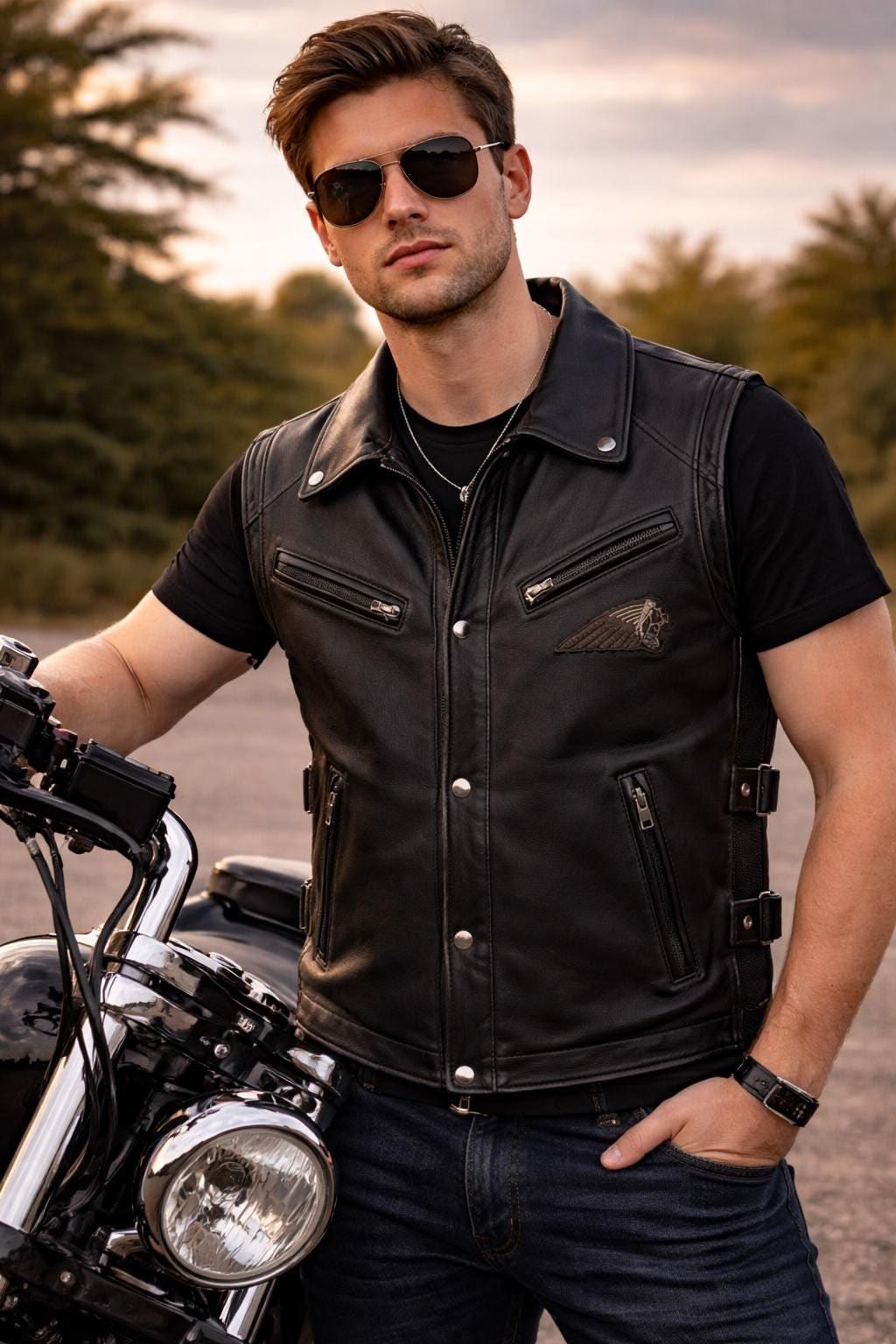
Shorter riders often face a different kind of fit problem when choosing a leather motorcycle vest. A vest may fit correctly through the chest and shoulders but still feel too long through the torso, bunch around the stomach, interfere with the seat, or sit awkwardly over the belt line. Standard sizing often increases or decreases width and length together, which means finding the correct proportions can be more difficult for someone with a shorter torso.
The best vest for a shorter rider should provide enough chest and shoulder room without adding unnecessary length. Front hem position, back coverage, armhole placement, pocket height, side adjustment, shoulder width, and torso shape all become especially important. The goal is to find a vest that looks balanced while standing and remains comfortable once the rider sits on the motorcycle.
Focus on Torso Length, Not Just Overall Height
Height alone does not determine the correct vest length. Two riders can be the same height but have very different proportions, with one having a shorter torso and longer legs while another has a longer upper body. This is why relying only on height recommendations can lead to a vest that feels too long despite fitting correctly through the chest.
Measure from the top of the shoulder to the point where you want the front hem to sit, then compare that number with the garment measurements provided by the brand. Torso length is much more useful than total height when evaluating whether a vest will sit naturally around the waist.
The Front Length Should Stay Clear of the Lap
An overly long front is one of the most common problems shorter riders experience. When the rider sits down, extra leather can fold heavily across the stomach or push against the thighs and belt area. This can make the vest ride upward and create pressure higher on the torso.
A mens leather motorcycle vest should end at a practical point around the waist without extending so far that the lower front becomes trapped in the seated position. Some natural folding is normal, but the leather should not form a large stack of material every time you sit on the bike. A shorter front cut usually feels more balanced for riders with compact torso proportions.
Do Not Choose Extra Length Just for More Coverage
Shorter riders sometimes choose a longer vest because they want more lower-back coverage, but this can create problems at the front and sides. Additional length is only useful if it is added in the right place.
A vest with a practical front and slightly longer rear section often works better than one that is equally long all around. This provides coverage when leaning forward without putting excessive material around the lap. Motorcycle-specific proportions are therefore more useful than simply looking for the longest vest available.
Check Where the Back Hem Meets the Seat
The back of the vest should provide coverage without becoming trapped between your body and the motorcycle seat. For shorter riders, even a standard rear length can sometimes extend lower than intended.
Sit on the motorcycle and notice whether the back hem remains above the main seating surface. If you are sitting directly on the lower edge, the vest may be too long. This can pull the garment backward and upward, creating tension across the shoulders and neckline during the ride.
Shoulder Fit Still Comes First
Choosing a shorter vest should not mean sacrificing correct shoulder width. If the shoulders are too narrow, the vest may pull across the upper back when you reach toward the handlebars. If they are too wide, the garment can droop and create oversized armholes.
The shoulder seams should align naturally with the outer edge of your shoulders. Shorter riders should look for a vest with shorter body length but normal upper-body proportions rather than simply sizing down across every dimension.
Be Careful When Sizing Down for Length
It may seem logical to choose a smaller size to reduce vest length, but this can create tightness across the chest, shoulders, and waist. A vest that is shorter but too narrow will not provide a better riding fit.
Instead, look for brands or cuts that offer shorter body proportions within the correct chest size. Size and length should be treated as separate measurements whenever possible. The ideal vest fits the torso circumference correctly while keeping the hem in the right position.
Armhole Placement Can Change With Vest Length
Armholes should sit naturally around the shoulders and underarms. In a poorly proportioned vest, the openings may sit too low or too large because the entire garment was scaled for a taller body.
For a shorter rider, properly positioned armholes help keep the vest stable and prevent extra material from hanging along the sides. The opening should allow free shoulder movement without creating large gaps. Correct armhole placement also makes the vest look more balanced on a shorter torso.
Side Panels Should Not Extend Too Far Down
The side length matters just as much as the front and back. If the side panels extend too far below the natural waist, they can bunch against the hips when the rider sits.
This can push the vest upward or make side laces and straps feel uncomfortable. A cleaner side profile allows the leather to follow the torso without interfering with the hip bend. Shorter riders should pay close attention to how far the side seams extend rather than checking only the center front length.
Pocket Position Should Match a Shorter Torso
Pocket placement can look awkward if a vest is designed for a longer body. Lower pockets may sit too close to the waistband, while chest pockets may appear too low and become harder to access.
Well-proportioned pockets should remain easy to reach without interfering with the belt line or seated position. Interior storage should also sit flat against the chest rather than extending too far down toward the stomach. Pocket height is a small detail, but it can make a large difference in how balanced the vest feels.
Adjustable Sides Can Improve the Fit
Side laces, straps, or buckles can help shorter riders fine-tune the waist without changing shoulder fit. This is useful if the vest fits correctly through the upper body but feels slightly loose around the lower torso.
Adjustments should be used to refine the fit rather than compensate for excessive length. Tightening the sides will not solve a front panel that reaches too far into the lap or a back that is trapped by the seat. Length and circumference are different fit issues and should be addressed separately.
Consider a More Tapered Lower Shape
A shorter rider may benefit from a vest that narrows slightly toward the waist. Too much material around the lower torso can make the vest look boxy and create additional bunching when seated.
A moderate taper helps the garment follow the body more naturally without requiring an overly tight fit. The taper should still leave enough room to breathe and accommodate normal riding layers. A clean lower shape often makes a vest look better proportioned on a shorter frame.
Test the Vest in Your Actual Riding Position
A vest can appear correctly proportioned while standing and still become too long when you sit. This happens because the distance between the shoulders and lap effectively becomes shorter in the riding position.
Put the vest on with your normal riding clothes, close it fully, and sit on your motorcycle. Reach toward the handlebars, sit upright again, and notice what happens to the lower edge. The vest should remain comfortable without pushing upward, bunching heavily, or getting trapped under your body.
Motorcycle Type Can Change the Ideal Length
Riding position varies significantly between motorcycles. A cruiser with forward controls may place the rider more upright, while other motorcycles create a more forward-leaning posture. These differences change how the front and rear of the vest behave.
Shorter riders should therefore consider the motorcycle they actually use rather than choosing vest length based only on body measurements. A more upright posture may require an even cleaner front length, while a forward lean may increase the need for slightly more rear coverage.
Layering Can Change Where the Vest Sits
A vest worn over a T-shirt sits closer to the body and may hang slightly lower. A hoodie or motorcycle jacket adds thickness, which can lift the vest and change how the hem sits around the waist.
Try the vest over the layers you use most often. A mens leather biker vest should still remain correctly proportioned over a hoodie or riding jacket without becoming restrictive through the chest. If layering is part of your normal setup, the vest needs enough room without adding unnecessary body length.
Watch for Excessive Bunching Around the Stomach
Bunching is one of the clearest signs that the vest is too long through the front. Some creasing is expected when sitting, but large folds that press against the stomach indicate excess material.
This can become uncomfortable over time and may also make the vest appear shorter at the back because the whole garment is being pushed upward. If chest and shoulder fit are correct but the front constantly folds into the lap, a shorter cut is usually a better solution than changing the overall size.
Avoid Oversized Armholes
Shorter vests that are simply larger standard sizes can sometimes create oversized armholes. These openings may extend too far down the sides and make the garment look loose even when the chest fits reasonably well.
Proper armholes should frame the shoulder without leaving excessive gaps. This helps the vest remain stable at speed and prevents the side panels from hanging lower than necessary. A compact torso benefits from precise armhole positioning rather than extra width.
Check the Neckline Position
Vest length can also affect how the neckline sits. If the back is too long and becomes trapped against the seat, the garment may be pulled backward and upward, creating pressure at the base of the neck.
A shorter, well-balanced back often allows the collar to sit more naturally. If neck pressure appears only when seated, check the rear hem and seat interaction before assuming the neckline itself is the problem.
Look at the Overall Visual Proportion
Fit is functional, but proportion also affects how the vest looks. A very long vest can visually shorten the legs and make the torso appear heavier, while a properly proportioned cut creates a cleaner balance between the shoulders, waist, and lower body.
Shorter riders often look better in a vest that ends closer to the natural waist rather than one that extends deeply over the hips. The goal is not to choose an unusually short garment, but to select a length that matches the rider's actual proportions.
Measure a Vest That Already Fits Well
If you own a jacket, vest, or shirt with a length that feels comfortable, use it as a reference. Lay the garment flat and measure from the highest point of the shoulder to the front hem and back hem.
These measurements give you a practical benchmark when comparing new leather vests. Garment-to-garment comparison is often more useful than relying on generic size descriptions because it shows you exactly how much length works on your body.
Consider Short or Regular Length Options
Some manufacturers offer short, regular, tall, or extended-length versions within the same chest size. These options are particularly useful for riders who need normal width but less vertical length.
If available, choose based on torso measurements rather than assuming the standard version will work. A short-length pattern can keep the shoulders, chest, and armholes correctly sized while reducing excess material through the body. This is usually a better solution than dropping to a smaller overall size.
Which Features Should Shorter Riders Prioritize?
Shorter riders benefit most from proportions that reduce unnecessary body length without compromising upper-body fit. The right vest should feel balanced both while standing and while seated on the motorcycle.
Important features include:
-
Shorter or proportionate front length
-
Enough rear coverage without excess
-
Correct shoulder width
-
Properly positioned armholes
-
Side panels that stay clear of the hips
-
Well-placed pockets
-
Adjustable sides
-
Moderate waist taper
-
Enough room for realistic layers
-
A neckline that remains comfortable when seated
-
Short or regular length sizing options
-
Actual garment measurements rather than size labels alone
When these features work together, the vest looks more balanced and behaves better in the riding position.
Conclusion
Shorter riders should focus on torso proportion rather than simply choosing a smaller vest. Front length, back coverage, side-panel depth, shoulder width, armhole placement, and pocket position all influence whether the garment fits naturally. A vest can have the correct chest size and still feel wrong if too much leather extends below the waist.
The best approach is to compare actual garment measurements, test the vest while sitting on the motorcycle, and make sure the front does not bunch heavily while the back remains clear of the seat. Avoid sizing down solely to reduce length because this can create new problems around the chest and shoulders. A properly proportioned vest should provide the room you need without making a shorter torso feel overwhelmed by extra material.
For riders looking for leather motorcycle vests in different fits, lengths, and proportions, Born To Race offers options for a range of body types and riding preferences. Contact Born To Race to explore available styles and find a vest that feels balanced both on and off the motorcycle.

 English
 Arabic
 French
 Spanish
 Portuguese
 Deutsch
 Turkish
 Dutch
 Italiano
 Russian
 Romaian
 Portuguese (Brazil)
