


 About Urh Social
 Terms of Service
 Datenschutzbestimmungen
 Contact
Arc’teryx Jackets: A Complete Guide to Popular Styles
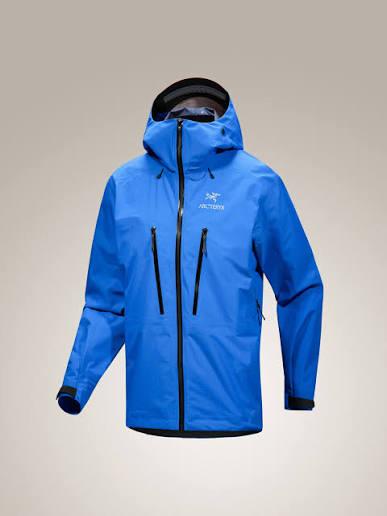
Arc’teryx jackets have a loyal following among hikers, climbers, skiers and city commuters, and the reason is simple. The brand builds technical outerwear around specific jobs, so each jacket line has a clear purpose. The catch is that the naming system (Beta, Alpha, Atom, Zeta and so on) can confuse anyone buying for the first time.
This guide breaks down the most popular Arc’teryx jacket styles in plain language, so you can match a jacket to your weather, your activity and your budget.
Hard Shell Jackets: Your Barrier Against Wet Weather
Hard shells are the signature of the brand. They use waterproof, breathable membranes, most often Gore Tex, and carry taped seams to keep water out of the stitching.
Beta AR
The Beta AR is the all round shell. The “AR” stands for all round, and it covers most mountain and travel situations. It uses a durable three layer construction with a roomy cut that fits over a mid layer. If Arcteryx you only want one waterproof jacket for hiking, skiing, travel and everyday storms, this is the style most people start with.
Beta LT
The Beta LT trims weight and bulk compared with the AR. It packs smaller and feels softer against the skin, which suits long hikes where you carry a shell most of the day and wear it only when needed. The trade off is slightly less abrasion resistance, so it suits trails more than rough scrambling.
Alpha SV
The Alpha SV is built for severe weather. The “SV” means severe weather, and the fabric is tougher, the hood is larger and the fit leaves space for a helmet. It is heavier and costs more, so it makes sense for alpine climbing, deep winter conditions or anyone who spends serious time in harsh terrain.
Zeta SL
The Zeta SL sits at the lighter end of the hard shell range. It gives dependable rain protection for day hikes and travel without much weight. Think of it as a backup layer that earns its place by being easy to carry.
Insulated Jackets: Warmth You Can Carry
Insulated styles trap body heat. The big choice here is between synthetic fill and down.
Atom
The Atom line uses synthetic insulation, which keeps working when damp and dries faster than down. Many people wear an Atom as a mid layer under a shell, and the stretch side panels keep it breathable during activity. It is one of the most versatile pieces in the whole range, useful from a cold morning trail to an evening around town.
Cerium
The Cerium uses goose down, which offers excellent warmth for its weight and compresses small in a pack. Down loses much of its performance when soaked, so it works best in cold, dry conditions or under a shell. A Cerium makes sense as a camp layer, a stop layer on a climb or a cold weather commuter jacket.
Proton
The Proton uses breathable synthetic insulation designed for active use. Where the Atom suits steady movement, the Proton leans toward stop and start effort, such as ski touring or alpine climbing, where you heat up quickly and cool down just as fast.
Softshell and Wind Jackets: Movement First
Gamma
Gamma jackets are softshells made from stretchy, abrasion resistant fabrics. They offer strong wind resistance and light weather protection with better breathability than a full hard shell. For dry cold days or active pursuits like climbing and ski touring, many people reach for a softshell before a hard shell because it simply moves better.
Squamish
The Squamish is a featherweight wind hoody. It packs into its own pocket and blocks breeze and light drizzle. Runners and trail walkers like it for sudden gusts on exposed ridges, and it adds almost nothing to pack weight.
How to Choose the Right Arc’teryx Jacket
Picking a style gets easier when you work through a few questions:
- What weather do you face most often? Heavy rain and snow call for a hard shell. Cold and dry points to an insulated jacket.
- How hard will you work? High output activities favor breathable layers such as softshells or active synthetic insulation.
- How much do you want to carry? Lightweight shells and compressible down save space on long days.
- Do you need layering room? A relaxed hard shell fits over a mid layer. A trim fit suits warmer conditions or tight mid layers.
A common setup is a three piece system: a base layer, an insulated mid layer like an Atom, and a hard shell like a Beta. That combination handles most conditions by adding or removing a single piece.
Fit and Sizing Tips
Arc’teryx cuts vary by line. Mountain focused shells give extra length in the body and sleeves for reach and coverage, while urban oriented styles sit closer to the body. Try the jacket on with the layers you plan to wear underneath, raise your arms overhead and check that the hem stays covered. Hood volume matters too, especially if you plan to wear a helmet.
Care Tips to Make Your Jacket Last
Technical fabrics perform best when kept clean. Dirt and body oils reduce breathability and break down the water repellent coating. Wash shells with a technical cleaner, rinse thoroughly and dry on low heat, which often helps revive the water beading finish. If water stops beading on the surface, a wash in treatment can restore it. Store jackets loose and dry rather than compressed for months, and wash down jackets with care using a down specific cleaner.
Final Thoughts
Arc’teryx jackets cover a wide range of needs, from storm proof shells to light wind layers. The Beta line suits general rain protection, the Alpha handles serious mountain weather, the Atom and Cerium handle warmth, and Gamma and Squamish favor freedom of movement. Match the style to your most common conditions, check the fit with your usual layers, and look after the fabric. A well chosen jacket from this range can serve you for many seasons.
Frequently Asked Questions
What is the most popular Arc’teryx jacket?
The Beta AR hard shell and the Atom insulated jacket are widely seen as the most popular, because both suit many activities and climates.
Are Arc’teryx jackets waterproof?
Hard shell models like Beta, Alpha and Zeta use waterproof membranes with taped seams. Softshells such as Gamma resist light weather but are not fully waterproof.
How should I wash an Arc’teryx jacket?
Use a technical cleaner, rinse well and dry on low heat. Avoid fabric softener, since it can clog the fabric and reduce breathability and water repellency.

 English
 Arabic
 French
 Spanish
 Portuguese
 Turkish
 Dutch
 Italiano
 Russian
 Romaian
 Portuguese (Brazil)
 Greek
