


 About Urh Social
 Terms of Service
 Privacy Policy
 Contact
Warts Removal Treatment for Addressing Skin Bumps That Persist
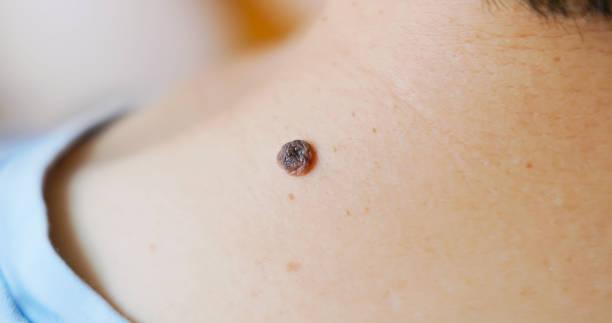
Persistent skin bumps can become a source of concern when they remain for weeks or months, gradually change in appearance, or fail to improve with basic skincare. Some of these growths may be warts caused by certain types of human papillomavirus (HPV). Although warts are generally harmless, they can sometimes spread, cause discomfort, or affect the appearance of the skin. Understanding why these growths persist and how they can be managed helps individuals make informed decisions about treatment. Warts removal treatment in Riyadh can provide an opportunity to have stubborn skin bumps professionally assessed and explore suitable options based on their condition.
Understanding Why Some Skin Bumps Persist
Warts develop when certain types of HPV infect the outer layer of the skin. The virus can enter through small breaks or areas of damaged skin, leading to an overgrowth of skin cells. Depending on the location and type of wart, the resulting growth may appear rough, raised, flat, or thickened.
Some warts disappear naturally as the immune system responds to the infection. Others may remain for an extended period, particularly when the body's immune response does not clear the affected tissue quickly. A wart may also persist after treatment if the method has not fully resolved the growth or if the virus remains in nearby skin.
However, a bump that does not disappear is not necessarily a wart. Skin tags, corns, calluses, and other skin conditions can have similar appearances. An accurate assessment is therefore important before choosing a removal method.
Common Signs of Persistent Warts
Changes in Texture and Appearance
Common warts often have a rough, uneven surface and may feel firm when touched. They frequently appear on the fingers, hands, and knees. Flat warts tend to be smoother and smaller, sometimes appearing in groups, while plantar warts develop on the soles of the feet.
Some warts contain tiny dark dots, which may represent small blood vessels. Their appearance varies, however, and these features alone cannot confirm the diagnosis. A medical professional can examine the growth and determine whether it has characteristics consistent with a wart.
Growth That Remains Despite Basic Care
A skin bump that remains unchanged despite regular skincare may require further assessment, particularly if it becomes uncomfortable or spreads to nearby areas. Warts do not always respond to ordinary moisturisers or cosmetic products because their cause differs from that of dry or irritated skin.
Repeatedly applying unsuitable products may irritate the area without treating the underlying problem. It is better to identify the growth before using products intended to remove skin tissue.
Discomfort or Repeated Irritation
Warts on the soles of the feet may cause discomfort when walking or standing, while those on the fingers can become irritated during everyday activities. Growths near the nails may also be difficult to manage because the surrounding tissue is delicate.
If a bump becomes persistently painful, bleeds repeatedly, changes rapidly, or develops an unusual colour or shape, seek medical evaluation rather than assuming it is an ordinary wart.
Why Professional Assessment Matters
Identifying the Type of Skin Growth
A healthcare professional generally begins by examining the bump, considering its location, texture, size, and history. Questions may include when it first appeared, whether it has changed, and whether any treatments have already been attempted.
This assessment helps distinguish a suspected wart from other conditions that may require different care. If the growth looks unusual or the diagnosis remains uncertain, additional examination or, in selected cases, a biopsy may be recommended.
Considering Health and Healing Factors
Treatment decisions also depend on the person's general health. Diabetes, circulation problems, reduced sensation, immune system conditions, and certain medications can affect healing or increase the risk of complications.
These factors are especially important when growths occur on the feet or in areas where treatment could damage delicate skin. Sharing relevant medical information allows the professional to consider appropriate precautions and aftercare.
Treatment Options for Persistent Warts
Topical Treatments
Products containing salicylic acid are commonly used for certain common and plantar warts. They work by gradually breaking down layers of affected skin and often require regular application over several weeks. The exact duration depends on the product and the response of the wart.
These products should be used according to their instructions and are not appropriate for every skin growth or body area. Avoid applying them to facial or genital lesions without specific professional guidance. People with diabetes, poor circulation, or reduced sensation should seek advice before treating foot warts themselves.
Cryotherapy
Cryotherapy uses controlled freezing, commonly with liquid nitrogen, to damage wart tissue and encourage it to clear. The treated area may become tender or develop a blister, and multiple sessions may be needed.
The method can be useful for selected warts, but it may cause temporary pigment changes, discomfort, or scarring. The professional will consider the wart's location and the patient's circumstances before recommending it.
Other Clinical Procedures
When a wart remains despite initial treatment, a healthcare professional may discuss other procedures, including selected surgical or energy-based approaches. These options are not necessary for every case and may carry risks such as bleeding, scarring, and recurrence.
The most suitable method depends on the diagnosis, the location and thickness of the growth, previous treatment results, and individual health considerations. Warts removal treatment in Riyadh can begin with a consultation to discuss the available approaches and establish a treatment plan appropriate to the identified condition.
Caring for Skin During and After Treatment
Good skin care can support recovery and reduce unnecessary irritation. Follow the aftercare instructions provided by the healthcare professional, including any guidance on cleaning the area, protecting it, and changing dressings if needed.
Avoid cutting, burning, picking, or aggressively scraping a persistent bump at home. These actions can cause bleeding, infection, and scarring, particularly when the growth has not been correctly identified. Do not share nail tools, towels, or other personal items that may have contacted an affected area.
Warts can sometimes return after removal because treatment may not eliminate every virus-infected cell. Follow-up may be recommended if the growth persists or reappears. Promptly seek medical advice if the treated area develops worsening pain, spreading redness, unusual discharge, or persistent bleeding.
Book a Skin Assessment at Royal Clinic Saudi
Persistent skin bumps deserve attention when they cause discomfort, spread, or fail to improve. Royal Clinic Saudi can be contacted to enquire about a professional skin assessment and available wart removal options. A consultation can help clarify the nature of the growth, explain the potential benefits and risks of treatment, and identify appropriate next steps based on individual needs.
FAQs:
Why do some warts remain for a long time?
The immune system may take time to clear the HPV infection responsible for a wart. Some growths also persist or recur after treatment.
Should I remove a persistent skin bump at home?
Avoid cutting, burning, or scraping an unidentified growth. A professional assessment can help confirm what it is and whether removal is appropriate.
Can persistent warts spread to other areas?
Yes. The virus can spread through direct contact or from an affected area to nearby skin, particularly when the wart is picked or scratched.
When should I seek medical advice about a persistent bump?
Seek assessment if it changes rapidly, bleeds repeatedly, becomes persistently painful, looks unusual, or fails to improve with appropriate treatment.

 English
 Arabic
 French
 Spanish
 Portuguese
 Deutsch
 Turkish
 Dutch
 Russian
 Romaian
 Portuguese (Brazil)
 Greek
