


 About Urh Social
 Terms of Service
 Datenschutzbestimmungen
 Contact
Factors That Influence Fat Melting Injections Treatment Outcomes
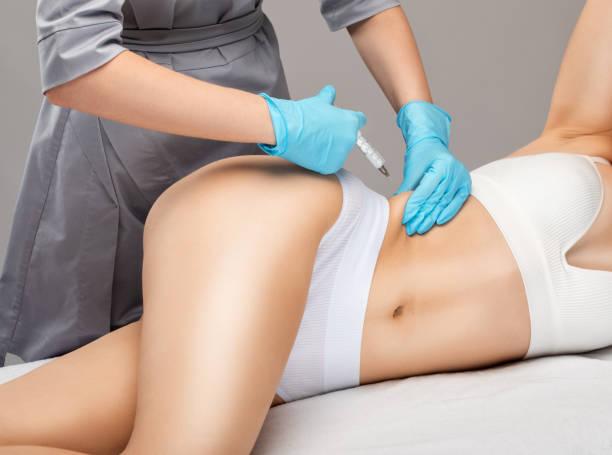
Cosmetic treatments designed to reduce localized fat can appeal to people who want to refine specific contours without undergoing surgery. However, treatment outcomes vary depending on individual characteristics, the product used, the area being treated, and the expertise of the healthcare professional. Fat melting injections in Riyadh may be an option for certain localized fat concerns when an appropriate, evidence-based product is used for an approved indication. Understanding the factors that influence treatment outcomes can help individuals establish realistic expectations and make informed decisions about their care.
Understanding Fat Melting Injections
Fat melting injections are injectable treatments intended to reduce selected fat deposits. Some formulations contain ingredients that disrupt fat-cell membranes, allowing the body to gradually process the affected cellular material. The mechanism, effectiveness, and safety profile depend on the specific ingredient and formulation.
Not all products marketed as fat-dissolving injections have the same scientific evidence or regulatory status. For example, deoxycholic acid is approved for reducing submental fat beneath the chin in certain countries, but this does not mean it is automatically suitable for the abdomen, waist, thighs, or other body areas. The intended treatment area and the product's authorized uses must be carefully considered before proceeding.
The Amount and Location of Localized Fat
One of the most important factors affecting treatment outcomes is the nature of the fat deposit. A small, clearly defined pocket of fat may respond differently from a larger area containing substantial fat volume. The thickness and distribution of fat, the surrounding anatomy, and the characteristics of the skin can all influence the visible result.
Treatment location also matters. Certain injectable products have evidence for use in specific areas, while their safety and effectiveness in other locations may not be established. Injecting an unsuitable product into an unapproved area can lead to complications rather than the desired contour improvement.
A clinical assessment helps determine whether the concern is caused by localized fat or another factor, such as loose skin, muscle structure, or swelling. Identifying the underlying issue is essential to selecting an appropriate treatment approach.
Individual Body Composition and Metabolism
Every person has a unique body composition and healing response. Age, genetics, hormonal influences, and patterns of fat distribution may affect how an area looks before and after treatment. The body's natural processes also influence how treated cellular material is cleared.
Although metabolic differences can contribute to variation in outcomes, a faster metabolism does not guarantee a better result. There is no universal timeline that applies to every patient, and changes should be assessed according to the specific treatment and clinical circumstances.
People considering fat melting injections in Riyadh should understand that these treatments are not designed for general weight loss. They target selected fat deposits rather than reducing body fat throughout the entire body. Maintaining realistic expectations helps prevent disappointment when the results are more subtle than anticipated.
The Product and Its Clinical Evidence
The type of injectable product used is a major factor in both safety and effectiveness. Different formulations contain different active ingredients, concentrations, and instructions for use. Evidence supporting one product for a particular area cannot automatically be applied to another product or treatment location.
Before agreeing to treatment, patients should ask the healthcare professional for the product's name, active ingredient, regulatory status, approved indications, and available clinical evidence. They should also understand whether the proposed use is authorized in the relevant jurisdiction or is considered off-label.
Products with unclear ingredients, inadequate safety information, or uncertain sourcing should be avoided. Choosing a treatment based only on advertising or promotional claims may expose individuals to unnecessary risks.
The Experience and Technique of the Healthcare Professional
The qualifications and experience of the practitioner can significantly influence treatment safety. An appropriate assessment requires knowledge of the anatomy of the treatment area, the product's instructions, possible contraindications, and the risks associated with injection placement.
Incorrect injection technique or inappropriate product selection can cause complications such as prolonged swelling, infection, uneven contours, tissue injury, or damage to nearby nerves and other structures. A qualified healthcare professional should explain the procedure, obtain informed consent, and provide clear instructions for aftercare.
Patients should feel comfortable asking questions about the practitioner's qualifications, the clinical setting, and the plan for managing possible complications. These discussions are an important part of responsible cosmetic care.
The Number of Sessions and Treatment Timing
Some approved injectable treatments may require more than one session, depending on the product instructions, the area involved, and the individual's response. However, additional sessions are not automatically necessary or appropriate for every person.
The interval between treatments is also important because the body needs time to recover and process the effects of the injections. Swelling and tenderness may temporarily obscure the appearance of the treated area, so judging the outcome too early can be misleading.
A healthcare professional should determine whether further treatment is appropriate after reviewing the response to the initial session. Patients should not increase treatment frequency or seek extra injections simply to accelerate results.
Aftercare and Recovery
Following aftercare instructions can support recovery and help identify potential complications early. Depending on the product and treatment area, temporary redness, swelling, bruising, tenderness, or firmness may occur. These effects can influence how the area looks during the initial recovery period.
Patients should follow the clinician's guidance about activity, skin care, follow-up visits, and any recommended precautions. They should not massage the area, apply products, or use home remedies unless these actions are specifically recommended for the treatment received.
Severe or worsening pain, spreading redness, unusual skin discoloration, fever, facial weakness, or difficulty swallowing should prompt urgent medical assessment, depending on the symptoms and treatment location.
Lifestyle Habits and Long-Term Results
Lifestyle habits can influence overall body composition and the appearance of treated areas over time. A balanced diet, regular physical activity, adequate sleep, and maintaining a relatively stable weight support general health and can help people manage their body composition.
Even if a treatment destroys some fat cells, remaining fat cells can enlarge with weight gain. Changes associated with ageing and skin elasticity may also affect contour over time. Injectable fat reduction should therefore be considered one possible part of a broader approach to body care rather than a replacement for healthy habits.
Book a Consultation at Royal Clinic Saudi
If you are considering fat melting injections in Riyadh, Royal Clinic Saudi can be a starting point for exploring cosmetic treatment options and arranging a professional assessment. Discuss your goals, medical history, the specific product being considered, and its approved uses with a qualified healthcare professional. A personalized consultation can help clarify whether treatment is suitable, what outcomes may be realistic, and which alternatives may better meet your needs.
FAQs:
1. What Is the Most Important Factor Affecting Treatment Outcomes?
Outcomes depend on several factors, including the product used, the treatment area, individual anatomy, and the practitioner's expertise.
2. How Long Does It Take to See Results?
Changes may develop gradually over several weeks with appropriate treatments, but the timeline varies by product and individual response.
3. Can Lifestyle Habits Affect Long-Term Results?
Yes. Stable weight, balanced nutrition, and regular physical activity can support overall body composition, although they do not guarantee a particular cosmetic result.
4. Can Everyone Receive Fat Melting Injections?
No. Suitability depends on medical history, the treatment area, the product's approved indications, and an assessment by a qualified healthcare professional.

 English
 Arabic
 French
 Spanish
 Portuguese
 Turkish
 Dutch
 Italiano
 Russian
 Romaian
 Portuguese (Brazil)
 Greek
