


 About Urh Social
 Terms of Service
 Privacy Policy
 Contact
Office Capsule Wardrobe: Build a Polished Workwear Collection
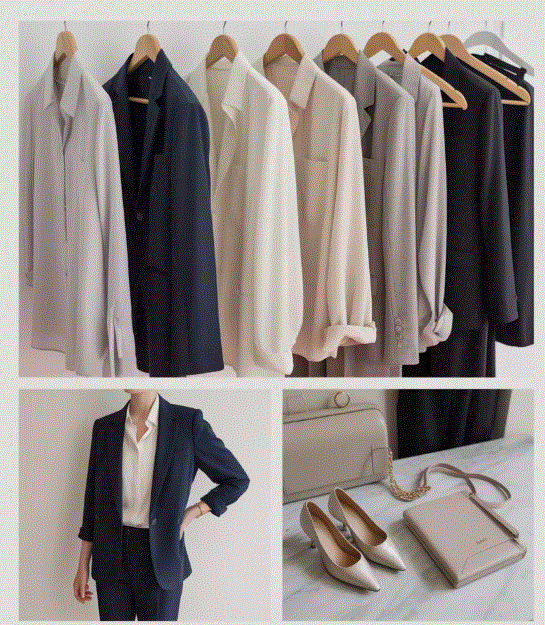
Creating a polished appearance for work does not require an overflowing closet or a new outfit for every occasion. An office capsule wardrobe offers a practical approach to professional dressing by combining versatile clothing, coordinated colors, and timeless essentials that work together effortlessly. For professionals managing busy schedules, meetings, presentations, commuting, and changing workplace expectations, a carefully planned collection can simplify everyday decisions while maintaining a consistent personal style. As more people prioritize practicality, cost-conscious shopping, and clothing that works across multiple settings, building a functional workwear collection has become an appealing strategy. The goal is to invest in garments that provide flexibility, comfort, and confidence without sacrificing individuality or spending unnecessarily on temporary fashion trends.
A thoughtfully organized wardrobe can also help professionals make better purchasing decisions, identify gaps in their existing clothing collection, and develop an appearance that reflects their career goals. From traditional corporate offices to creative workplaces and hybrid working environments, clothing needs differ according to dress codes, responsibilities, and personal preferences. The most effective approach considers these differences before selecting essential pieces. The Corporate Curly recognizes the relationship between personal style, professional presentation, and workplace confidence, particularly for women balancing career ambitions with their individual identities. By choosing complementary garments, prioritizing quality, and learning to create multiple outfits from a smaller selection of clothing, professionals can establish a practical dressing routine that supports their everyday responsibilities and long-term style preferences.
Understanding the Essentials of an Office Capsule Wardrobe
An office capsule wardrobe is a coordinated collection of work-appropriate garments selected for their versatility, fit, and ability to create multiple outfits. Rather than purchasing individual pieces that only work with one specific combination, professionals choose clothing that can be mixed and matched throughout the week. Essential items may include tailored trousers, blazers, button-down shirts, neutral tops, skirts, knitwear, professional dresses, and comfortable footwear. The exact selection depends on the workplace, climate, personal style, and frequency of formal events. Someone working in a traditional corporate environment may need more structured tailoring, while a professional in a creative office might prefer relaxed silhouettes, textured fabrics, and contemporary separates. The purpose is not to impose a strict limit on the number of garments but to ensure that each item serves a practical function. When clothing coordinates naturally, getting dressed becomes easier, outfit planning takes less time, and unnecessary purchases become less tempting. This approach also encourages professionals to understand their preferences rather than relying entirely on changing fashion trends.
Choose Versatile Colors That Make Outfit Planning Easier
Color coordination is one of the most useful principles when building a professional wardrobe because it determines how easily different garments can be combined. Neutral colors such as black, navy, gray, beige, cream, and brown provide a reliable foundation for workwear. These shades can be paired with one another across trousers, skirts, jackets, and everyday tops, creating numerous combinations from a relatively small collection. However, a professional wardrobe does not need to be limited to neutral clothing. Deep green, burgundy, cobalt blue, dusty pink, and other preferred colors can add personality without making outfit planning complicated. A practical strategy is to select two or three foundational colors and introduce a few complementary accent shades. Before purchasing an item, consider whether it works with at least three garments already in your closet. This simple test helps reduce isolated purchases that are difficult to style. Color coordination also allows accessories, including belts, handbags, scarves, and jewelry, to create variation without requiring additional clothing. The result is a more cohesive collection that feels intentional while leaving room for personal expression.
Invest in Essential Workwear Pieces That Offer Long-Term Value
The foundation of a successful workwear collection lies in choosing garments that fit well, feel comfortable, and suit the demands of a typical working week. Tailored trousers provide a dependable starting point because they can be styled with shirts, knitwear, blazers, and more relaxed tops. A well-fitting blazer adds structure to simple combinations, while versatile blouses and shirts work across formal meetings and ordinary office days. A professional dress can provide a complete outfit with minimal effort, and a cardigan or lightweight jacket offers an additional layer when temperatures change. Footwear deserves equal attention because uncomfortable shoes can make commuting and long working hours unnecessarily difficult. Choose styles that suit your workplace and provide adequate support for your routine. When assessing potential purchases, examine stitching, fabric quality, fastening details, and care requirements rather than relying on price or brand recognition alone. It is also worth considering how often each item will realistically be worn. A slightly more expensive garment that performs well across many occasions may offer better long-term value than several inexpensive pieces that quickly lose their shape or become difficult to maintain.
How to Build an Office Capsule Wardrobe Around Your Personal Style
A practical workwear collection should reflect the person wearing it rather than force everyone into the same professional appearance. Some women feel most confident in structured suits and pointed-toe shoes, while others prefer flowing dresses, softer tailoring, coordinated separates, or contemporary business-casual combinations. Begin by identifying the silhouettes, colors, and fabrics that make you feel comfortable and confident. Then consider how these preferences fit your workplace's expectations and daily responsibilities. For example, someone who frequently presents to clients may benefit from structured jackets and polished trousers, whereas a hybrid professional might prioritize comfortable knitwear, versatile dresses, and layers that transition easily between home and office. Personal identity should remain part of the decision-making process, including cultural preferences, favored accessories, and hairstyles. For Black professional women, coordinating workwear with natural hair, braids, locs, or other preferred hairstyles can create a cohesive appearance without requiring changes to personal identity. The Corporate Curly offers a relevant perspective on professional style, natural hair, and workplace confidence. By selecting garments that align with your lifestyle and preferences, you can build a wardrobe that feels authentic, looks polished, and remains practical across changing professional circumstances.
Create Multiple Outfits With Smart Styling Techniques
One of the greatest advantages of a coordinated wardrobe is the ability to create different looks without constantly buying new clothes. A pair of navy trousers, for instance, can be combined with a white shirt and blazer for a formal meeting, a lightweight sweater for a regular office day, or a colorful blouse for a professional networking event. Similarly, a simple dress can be styled with a structured jacket for presentations or a cardigan for a more relaxed environment. Accessories provide additional opportunities to change the appearance of familiar garments. A belt can define a silhouette, understated jewelry can refine an outfit, and a versatile handbag can bring different combinations together. Layering is especially useful for professionals who move between outdoor temperatures and air-conditioned offices. The key is to plan outfits around the occasions you actually attend rather than creating combinations that look appealing but rarely suit your schedule. During the first few weeks of organizing your collection, photograph successful outfits or keep a simple record of combinations that work well. This makes it easier to repeat dependable looks and identify which additional pieces would genuinely expand your styling options.
Prioritize Comfort, Fit, and Quality in Everyday Office Clothing
Professional clothing needs to perform well during a full working day, not simply look attractive when first purchased. Garments should allow comfortable movement while sitting, walking, reaching, and carrying work essentials. A blazer that restricts the shoulders or trousers that require constant adjustment may become frustrating during long meetings. Whenever possible, try clothing on while performing ordinary movements and check that seams, waistbands, sleeves, and fastenings sit comfortably. Fabric selection is equally important. Breathable materials can be helpful in warmer conditions, while suitable layers provide flexibility in cooler offices. Consider whether a garment wrinkles easily, requires specialist cleaning, or needs frequent ironing before deciding whether it belongs in your everyday rotation. Fit is also worth evaluating independently of the size printed on the label, since proportions vary between brands and clothing styles. Alterations may improve the usefulness of a garment when the overall fit is suitable but a particular area needs adjustment. Investing in comfort does not necessarily mean choosing expensive clothing. Careful inspection, realistic expectations, and an understanding of your routine can help you select workwear that maintains its appearance and supports everyday professional activities.
Maintain Your Wardrobe and Shop With a Clear Budget
Once your core collection is established, maintaining it becomes more important than continually adding new pieces. Review your clothing periodically to identify garments that need repairs, no longer fit comfortably, or have become unsuitable for your current work environment. Before purchasing replacements, consider whether an existing item can be altered, restyled, or combined with other pieces in a new way. Shopping with a defined budget and a list of genuine wardrobe gaps helps prevent impulse buying. For example, if you already own several pairs of trousers but lack tops suitable for formal meetings, purchasing a versatile blouse may offer more value than adding another pair of trousers. Pay attention to seasonal needs as well, particularly if your climate changes significantly throughout the year. Storing off-season garments appropriately can protect their condition and make everyday choices easier. Laundry and clothing care routines should also reflect the materials in your collection. Following garment instructions, repairing loose buttons promptly, and addressing small problems before they worsen can extend the useful life of workwear. A well-maintained wardrobe remains adaptable because it evolves according to actual needs rather than being repeatedly replaced to follow temporary trends.
Conclusion
Building an effective office wardrobe is ultimately about making thoughtful choices that support professional responsibilities, personal style, and everyday comfort. By selecting complementary colors, investing in versatile essentials, prioritizing fit and quality, and developing repeatable outfit combinations, professionals can simplify their routines while maintaining a polished appearance. Regular wardrobe reviews and intentional shopping also help control spending and ensure that each garment contributes meaningful value. For women balancing career development, personal identity, and changing workplace expectations, a practical clothing collection can make everyday dressing more manageable without limiting individuality. The Corporate Curly encourages professionals to approach personal presentation with confidence and purpose, recognizing that style can support a broader sense of workplace readiness. Start by reviewing the garments you already own, identify the combinations that work best, and fill only the gaps that genuinely matter. A carefully planned wardrobe can become a lasting investment in comfort, confidence, and a more organized professional life.

 Arabic
 French
 Spanish
 Portuguese
 Deutsch
 Turkish
 Dutch
 Italiano
 Russian
 Romaian
 Portuguese (Brazil)
 Greek
