


 About Urh Social
 Terms of Service
 Política de privacidade
 Contact
How to Prepare for Fat Transfer Surgery in Riyadh
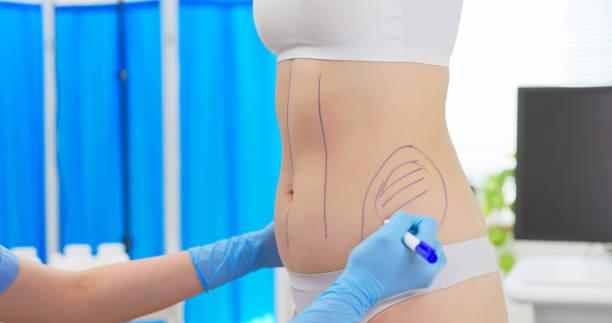
Fat transfer surgery is a cosmetic procedure that uses fat collected from one area of the body to enhance volume in another area. It may be considered for improving facial contours, enhancing the breasts or buttocks, and creating a more balanced body appearance. Preparing properly before surgery can help patients understand the procedure, establish realistic expectations, and support a smoother recovery.
When considering Fat Transfer Surgery In Riyadh, it is important to understand the preparation process, medical assessments, and lifestyle adjustments involved before treatment. Careful planning allows patients to discuss their aesthetic goals, learn about potential risks, and receive personalized guidance based on their health and the area being treated.
Understand the Fat Transfer Procedure
How Fat Transfer Surgery Works
Fat transfer, also known as fat grafting, involves removing fat from a suitable donor area, processing it, and carefully injecting it into the targeted area. Common donor areas include the abdomen, thighs, and flanks. The selected treatment area depends on the patient's goals, available donor fat, and clinical suitability.
Because the procedure uses the patient's own fat, it can offer a natural alternative to certain synthetic fillers or implants. However, not all transferred fat survives permanently, and the final results can vary between individuals.
Determine Your Treatment Goals
Before scheduling surgery, consider what you hope to achieve. You may want to improve facial volume, enhance specific body contours, or address areas that appear hollow or uneven. Having a clear understanding of your goals helps you communicate effectively during your consultation.
It is equally important to maintain realistic expectations. Fat transfer can improve volume and contour, but it cannot guarantee perfect symmetry or a specific final appearance.
Schedule a Comprehensive Consultation
Discuss Your Medical History
A preoperative consultation is an essential step in preparing for fat transfer surgery. Inform your healthcare provider about existing medical conditions, previous surgeries, allergies, and any medications or supplements you take. Be honest about smoking, alcohol consumption, and other lifestyle habits that could affect healing.
Your provider may recommend a physical examination, laboratory tests, or additional assessments depending on your medical history and the planned procedure.
Ask Questions About the Procedure
Use your consultation to understand the surgical technique, anesthesia options, expected recovery period, and possible complications. Ask how much fat may be removed and transferred, what results are realistic, and whether additional treatment could be necessary.
Understanding these details before surgery can help you feel more confident and prepared.
Follow Preoperative Instructions
Review Medications and Supplements
Some medications and supplements can increase bleeding risks or interfere with anesthesia. Provide your healthcare team with a complete list of everything you take, including prescription medications, over-the-counter products, vitamins, and herbal supplements.
Never stop prescribed medication independently. Follow your provider's instructions about which products to continue, adjust, or temporarily discontinue before surgery.
Maintain a Healthy Lifestyle
Good general health supports the body's ability to recover. Eat balanced meals containing protein, vegetables, fruits, and other nutrient-rich foods. Stay hydrated unless your healthcare team gives you different instructions.
Avoid smoking and nicotine products as directed by your provider because they can impair blood flow and wound healing. Follow guidance regarding alcohol and strenuous physical activity before your procedure.
Prepare Your Home for Recovery
Arrange Transportation and Support
Depending on the anesthesia and surgical technique, you may not be able to drive yourself home after treatment. Arrange transportation in advance and consider having a trusted adult assist you during the initial recovery period.
Prepare a comfortable resting area, keep essential supplies nearby, and organize any prescribed medications according to your healthcare team's instructions.
Follow Fasting and Clothing Guidelines
If your procedure involves anesthesia, you may need to avoid food and drinks for a specified period beforehand. Follow the exact fasting instructions provided by your surgical team.
Choose comfortable, loose-fitting clothing for the day of surgery. If fat is transferred to the buttocks or another pressure-sensitive area, ask whether special garments or positioning precautions will be necessary.
What to Expect After Surgery
Recovery varies according to the treatment area, the amount of fat transferred, and individual healing responses. Swelling, bruising, and temporary discomfort may occur in both the donor and recipient areas. Your provider will explain how to care for incision sites, manage discomfort, and gradually resume normal activities.
Attend follow-up appointments and follow instructions regarding compression garments, sleeping positions, exercise, and pressure on the treated area. Seek prompt medical attention if you experience severe or worsening pain, increasing redness, fever, shortness of breath, or other concerning symptoms.
Frequently Asked Questions
How long before surgery should I start preparing?
Begin preparing as soon as your procedure is discussed with your healthcare provider. This allows sufficient time for medical assessments, lifestyle adjustments, and any recommended tests.
Can I eat before fat transfer surgery?
You may need to fast before surgery, particularly if anesthesia is planned. Follow the specific instructions provided by your surgical team.
Should I stop taking my regular medications?
Not necessarily. Some medications may require adjustment, but you should only make changes under your healthcare provider's guidance.
Is fat transfer surgery suitable for everyone?
No. Suitability depends on your health, available donor fat, treatment goals, and other individual factors. A medical assessment is necessary to determine whether the procedure is appropriate.
When can I return to normal activities?
The recovery period varies depending on the procedure and your healing progress. Your provider will advise when you can safely return to work, exercise, and other daily activities.
Book Your Consultation at Enfield Royal Clinic
Preparing for fat transfer surgery starts with informed decisions, realistic expectations, and professional medical guidance. At Enfield Royal Clinic, patients can discuss their aesthetic goals, understand the preparation process, and learn about personalized treatment options in Riyadh. Schedule a consultation to explore whether fat transfer surgery is suitable for your needs and receive guidance for every stage of your treatment journey.

 English
 Arabic
 French
 Spanish
 Portuguese
 Deutsch
 Turkish
 Dutch
 Italiano
 Russian
 Romaian
 Greek
