


 About Urh Social
 Terms of Service
 Política de Privacidade
 Contact
Can Children Receive Treatment for Alopecia Areata?
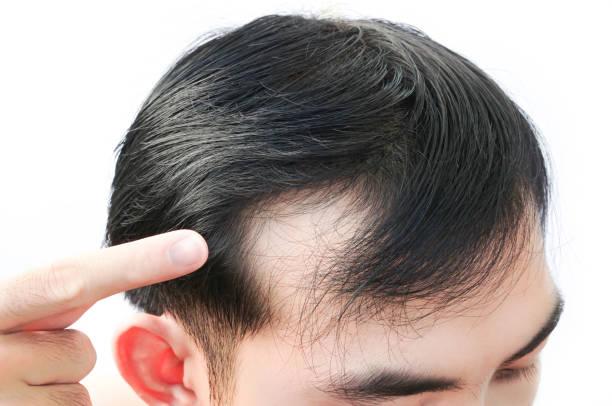
Hair loss in children can be worrying for parents, especially when bald patches appear suddenly or continue to grow. Alopecia areata is an autoimmune condition in which the immune system mistakenly attacks hair follicles, causing hair loss on the scalp and sometimes the eyebrows, eyelashes, or other areas of the body. Fortunately, children can receive medical evaluation and treatment for this condition, although the appropriate approach depends on their age, symptoms, and overall health. alopecia hair treatment may help families explore suitable care options after a qualified healthcare professional confirms the diagnosis. Some children experience natural regrowth, while others may need treatment and ongoing monitoring.
Understanding Alopecia Areata in Children
Alopecia areata can develop during childhood and may affect children of different ages. It commonly appears as one or more smooth, round or oval patches of hair loss on the scalp. The affected skin usually remains relatively normal, without the scarring associated with certain other hair-loss conditions.
The condition occurs because immune activity disrupts the normal function of hair follicles. These follicles are generally not permanently destroyed, so hair regrowth may be possible. However, the course of the condition is unpredictable. Some children experience a single episode, while others have recurring patches or more extensive hair loss.
Alopecia areata is not contagious, and children cannot spread it through contact, sharing combs, or playing with other children. Parents should also understand that the condition is not caused by poor hygiene.
How Is Alopecia Areata Diagnosed in Children?
An accurate diagnosis is important before treatment begins because several childhood conditions can cause patchy hair loss. These include scalp fungal infections, hair pulling, traction from tight hairstyles, and other inflammatory conditions.
Scalp Examination
A healthcare professional will usually examine the child's scalp and ask when the hair loss started, whether it is spreading, and whether similar episodes have occurred before. The clinician may also check the eyebrows, eyelashes, nails, and other hair-bearing areas.
Dermoscopy and Additional Tests
Dermoscopy allows a clinician to examine the scalp and hair follicles more closely. Blood tests are not required for every child but may be considered if the medical history or examination suggests an associated condition, such as a thyroid disorder. A scalp biopsy is occasionally considered when the diagnosis remains uncertain.
Parents should seek prompt evaluation if bald patches are accompanied by significant redness, scaling, pain, swelling, or broken hairs, as these features may indicate another condition that needs specific treatment.
Treatment Options for Children With Alopecia Areata
The best treatment depends on the child's age, the extent of hair loss, the duration of symptoms, and the potential risks of medication. Because childhood treatment requires particular care, parents should avoid starting prescription products without medical guidance.
Observation and Monitoring
Some children with limited alopecia areata experience spontaneous hair regrowth. When hair loss is mild and the child is not significantly distressed, a healthcare professional may recommend monitoring before starting active treatment.
Observation should involve appropriate follow-up rather than ignoring changes. Parents can keep track of new patches, changes in existing areas, and signs of regrowth to discuss during appointments.
Topical Corticosteroids
Topical corticosteroids may be considered for selected children, depending on their age and the severity of hair loss. These medicines reduce inflammation and may help support regrowth in some cases.
The clinician must select an appropriate medication and duration because children's skin can be more vulnerable to side effects, including skin thinning and irritation. Parents should apply the medication only as directed and avoid using strong steroid products on the scalp without professional advice.
Corticosteroid Injections
Injections into affected areas may be considered in selected older children or adolescents, depending on clinical circumstances and their ability to tolerate the procedure. However, injections can be uncomfortable and are not appropriate for every child.
A specialist will weigh potential benefits against discomfort, possible skin thinning, and the child's age and preferences before recommending this option.
Other Specialist-Directed Treatments
For children with more extensive or persistent hair loss, a dermatologist may discuss other treatments based on age, disease severity, and local availability. Some therapies used in adults have specific age restrictions or may not be suitable for children.
Prescription medicines that affect immune activity require careful assessment and monitoring. Families should ask about the evidence for a treatment, possible adverse effects, and whether it is approved for the child's age group.
Can Hair Grow Back in Children?
Yes, hair regrowth is possible in children with alopecia areata. New hair may initially appear fine or pale before gradually becoming thicker or darker. Regrowth may occur in one patch while other areas remain affected.
However, outcomes vary. Some children experience complete regrowth, while others have repeated episodes or more extensive hair loss. Even when hair returns, the condition may recur later.
Families considering Alopecia Areata Treatment in Riyadh should discuss realistic expectations with a qualified healthcare professional. Treatment may support regrowth in some cases, but no option guarantees complete or permanent recovery.
Supporting a Child's Emotional Well-Being
Hair loss can affect a child's confidence, friendships, and comfort at school. Children may feel embarrassed when classmates ask questions or notice visible patches. Parents can help by explaining that alopecia areata is a medical condition and is not the child's fault.
Useful ways to provide support include:
-
Listen to the child's concerns without minimizing their feelings.
-
Explain that the condition is not contagious.
-
Work with teachers when school support or privacy is needed.
-
Offer comfortable options such as hats or other head coverings if the child wants them.
-
Consider professional emotional support if distress persists.
Children should be included in age-appropriate discussions about treatment, particularly when a proposed procedure may cause discomfort.
When Should Parents Consult a Specialist?
Parents should arrange an assessment when a child develops unexplained bald patches, progressive hair loss, thinning eyebrows or eyelashes, or repeated episodes of shedding. Early evaluation can help distinguish alopecia areata from other conditions and clarify whether observation or treatment is appropriate.
A personalized plan for Alopecia Areata Treatment in Riyadh should consider the child's age, medical history, hair-loss pattern, and emotional well-being. Follow-up appointments can help monitor changes and adjust care if necessary.
Consult Royal Clinic Saudia for Guidance
Understanding childhood alopecia areata can help parents respond calmly and make informed decisions. Although some children experience natural regrowth, professional assessment is important to confirm the diagnosis and discuss appropriate options.
Consider contacting Royal Clinic Saudia to ask about an evaluation for a child experiencing unexplained hair loss. A consultation regarding Alopecia Areata Treatment in Riyadh can help families understand potential treatment approaches and determine suitable next steps based on the child's individual needs.

 English
 Arabic
 French
 Spanish
 Deutsch
 Turkish
 Dutch
 Italiano
 Russian
 Romaian
 Portuguese (Brazil)
 Greek
