


 About Urh Social
 Terms of Service
 Politique de confidentialité
 Contact
A Beginner’s Guide to Medical Treatments for Hair Loss
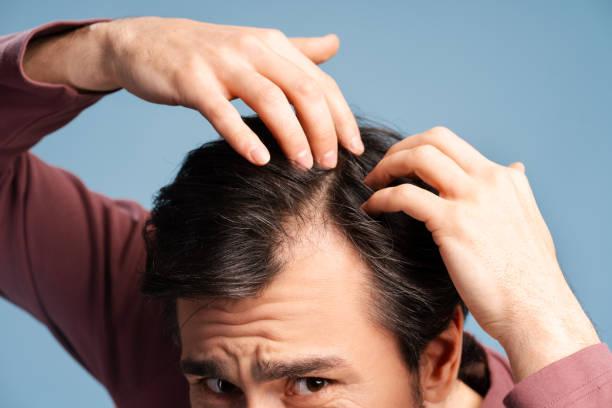
Hair loss can develop gradually or appear more suddenly, affecting people of different ages and backgrounds. While some shedding is part of the natural hair growth cycle, persistent thinning may indicate an underlying condition that requires attention. Understanding the available medical options can help individuals make informed decisions about their hair health. Choosing the right hair loss treatment begins with identifying the cause of thinning, whether it involves genetics, hormonal changes, nutritional deficiencies, stress, or a scalp condition. With an appropriate assessment and a personalized treatment plan, many people can manage hair loss and, in some cases, improve hair density.
Understanding the Causes of Hair Loss
Hair loss has several possible causes, and treatment depends on the specific condition. Hereditary hair loss, also known as androgenetic alopecia, is one of the most common forms. It usually develops gradually and may cause a receding hairline, thinning at the crown, or reduced overall density.
Temporary shedding can occur after an illness, surgery, childbirth, major stress, or rapid weight loss. This type of shedding, called telogen effluvium, may improve once the triggering factor has been addressed. Nutritional deficiencies, thyroid disorders, certain medications, autoimmune conditions, and inflammatory scalp disorders can also contribute to hair loss.
A medical assessment helps distinguish between these causes. Depending on the symptoms and medical history, a healthcare professional may examine the scalp or recommend blood tests to investigate possible contributing factors.
Common Medical Treatments for Hair Loss
Topical Minoxidil
Minoxidil is a commonly used medication for certain forms of hereditary hair loss. Applied directly to the scalp, it may help support hair growth and slow further thinning in suitable patients. It is available in different formulations, and the appropriate product depends on individual circumstances.
Consistent use is important, as visible improvement may take several months. Some people experience temporary increased shedding at the beginning, while others may notice scalp irritation or dryness. Continued use is generally needed to maintain benefits. A clinician or pharmacist can provide guidance on correct application and potential side effects.
Prescription Medications
Prescription medicines may be recommended for specific types of hair loss. Finasteride, for example, may help selected men with hereditary hair thinning by reducing the effect of a hormone involved in follicle miniaturization. It can cause side effects and is not appropriate for everyone, so medical advice is essential before use.
Finasteride also carries important pregnancy-related risks, particularly regarding exposure during pregnancy. Patients should discuss contraindications, precautions, and possible alternatives with a qualified healthcare professional. Other prescription approaches may be considered depending on the diagnosis, but treatment should never be started or changed without appropriate guidance.
Treatment for Underlying Medical Conditions
Sometimes hair loss is a symptom of another health issue rather than a condition that requires a hair-growth medication. For example, correcting an iron deficiency or treating a thyroid disorder may help improve shedding when that condition is responsible.
A clinician may review diet, recent illnesses, medications, and other symptoms before recommending investigations. Supplements are most useful when a deficiency has been identified or there is a clear clinical reason to use them. Taking excessive amounts of certain vitamins or minerals can worsen health problems and may even contribute to hair loss.
Non-Surgical Procedures That May Support Hair Growth
Platelet-Rich Plasma Therapy
Platelet-rich plasma, or PRP, uses a sample of the patient's blood that is processed to concentrate platelets. The resulting preparation is injected into selected areas of the scalp with the aim of supporting hair growth.
PRP may improve hair density for some people with certain types of thinning, but results vary and research on treatment protocols continues to develop. Multiple sessions may be recommended, sometimes followed by maintenance treatments. A professional assessment can help determine whether PRP is appropriate and what outcomes are realistic.
Low-Level Laser Therapy
Low-level laser therapy uses specific light-based devices intended to support hair follicles. Some devices are designed for home use, while others may be offered in professional settings. Evidence of benefit varies by device and condition, and results are not guaranteed.
This approach may be considered as part of a broader management plan for selected patients. It is important to use suitable devices according to instructions and avoid relying on laser therapy when an underlying medical condition needs treatment.
What Happens During a Hair Loss Consultation?
A consultation usually begins with a discussion of the pattern, duration, and severity of hair loss. The healthcare professional may ask about family history, recent stress, illness, dietary changes, medication use, and scalp symptoms. A scalp examination can help identify whether thinning is widespread, patterned, patchy, or associated with inflammation.
Additional tests may be recommended when symptoms suggest nutritional deficiencies, hormonal changes, or another medical cause. Based on the findings, the clinician can explain available options, potential side effects, expected timelines, and ongoing care requirements. This assessment is an important step in selecting an appropriate Hair Loss Treatment in Riyadh plan rather than trying multiple products without understanding the cause.
How Long Do Medical Treatments Take to Work?
Hair grows slowly, so medical treatment usually requires patience. Some people may begin to notice changes after several months, while others experience limited improvement. The timeline depends on the underlying condition, treatment method, consistency, and individual response.
Treatment may aim to slow further loss, support regrowth, or improve the appearance of existing hair. It cannot guarantee complete restoration, and some conditions require long-term management. Follow-up appointments help evaluate progress and determine whether adjustments are needed. Taking photographs under similar lighting conditions can also help track changes over time.
When Should You Seek Medical Advice?
Seek professional advice if hair loss is sudden, persistent, or accompanied by bald patches, scalp pain, redness, scaling, or significant itching. These symptoms may indicate a condition that requires prompt diagnosis. Early evaluation can be especially helpful when hair loss is progressing quickly or affecting daily confidence.
Avoid products that promise immediate or guaranteed results. Unsupervised use of prescription medication, supplements, or scalp treatments may be ineffective or harmful. For those considering Hair Loss Treatment in Riyadh, professional guidance can help narrow down appropriate options and establish a safe, realistic treatment plan.
Taking the First Step Toward Healthier Hair
Medical treatments for hair loss range from topical medications and selected prescription therapies to treatment of underlying health conditions and certain non-surgical procedures. The best option depends on an accurate diagnosis, individual health needs, and realistic expectations. Consistency and follow-up are often essential for evaluating results.
To learn more about suitable options, arrange a consultation with Royal Clinic Saudia. A professional assessment can help you explore Hair Loss Treatment in Riyadh options, understand the benefits and limitations of different approaches, and plan the next steps for managing hair thinning.

 English
 Arabic
 Spanish
 Portuguese
 Deutsch
 Turkish
 Dutch
 Italiano
 Russian
 Romaian
 Portuguese (Brazil)
 Greek
