


 About Urh Social
 Terms of Service
 Privacy Policy
 Contact
How to Shop at the Floor Store San Jose With Confidence
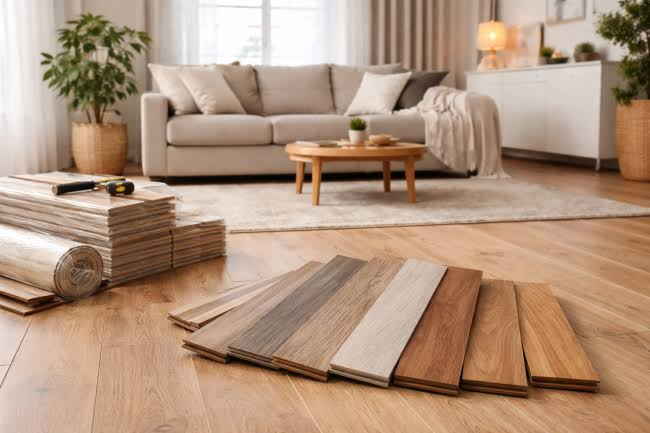
Walking into a flooring showroom can feel exciting and overwhelming at the same time. There are hundreds of samples, unfamiliar terms, and price tags that change depending on thickness, brand, or finish. A little preparation makes the experience far smoother, and this guide is designed to help you get ready. Before you visit the floor store San Jose homeowners rely on for advice, it helps to know what a good local flooring retailer should offer, which is why many shoppers start with this overview of the best place to buy flooring. In the sections below, you will learn how to set goals, build a budget, understand the main flooring categories, ask the right questions, and avoid the most common shopping mistakes. Whether you are updating one room or an entire house, the goal is the same. Leave the store with a product you understand, a plan you trust, and a floor you will enjoy for years.
Start With Your Goals Before You Shop
The best shopping trips begin at home. Walk through each room and write down how it is used. Note how many people live in the house, whether pets are part of the family, how much sunlight the room gets, and how much moisture it sees. A kitchen and a guest bedroom have very different needs, and a single answer will not fit both.
Then rank your priorities. Durability, comfort, appearance, ease of cleaning, and budget all matter, but rarely in equal measure. If you name your top three, staff members can guide you to the right materials faster, and you are less likely to be swayed by a sample that looks beautiful but does not fit your life. Photos of your rooms, your furniture, and your existing colors also help when you compare samples in the showroom.
Build a Budget That Includes the Extras
Many shoppers focus on price per square foot and forget the rest of the project. A realistic budget includes removal and disposal of the old floor, subfloor repairs, underlayment, installation labor, trim, transitions, baseboards, and moving furniture. It should also include a small allowance for extra material to cover cuts and future repairs.
Prices, warranties, and specifications vary by brand and product line, so treat any number you hear as specific to that product. Ask for written quotes and request that materials and labor be listed separately. That way you can compare offers fairly, and you can see where trimming costs makes sense. If you are flooring a property you rent out, this guide on flooring for a rental property on a budget explains how to balance durability and cost.
Bring Measurements and Room Details
Accurate measurements make quotes more useful. Measure each room's length and width, and note any closets, alcoves, or angled walls. Sketch a simple floor plan if you can. Mention the current flooring type and the subfloor material if you know it, such as concrete or plywood, because that affects which products and installation methods are suitable.
Also mention any special conditions. Is there radiant heat? Do you have a coastal home that gets damp air? Is the space a basement or a laundry room? Details like these change product recommendations, and sharing them upfront saves time and prevents unpleasant surprises later. If you would rather have a professional handle the numbers, the Flooring Outlet and More team offers a measurement service as part of its floor remodeling services.
Understand the Main Flooring Categories
Knowing the basics before you arrive helps you ask better questions and compare options with more confidence.
Vinyl Plank
Many homeowners are drawn to luxury vinyl plank flooring because many versions are waterproof, comfortable underfoot, and simple to maintain. Quality varies widely based on the thickness of the plank and the wear layer, which is the clear coating on top that resists scuffs. Ask to see the specifications rather than relying on appearance alone.
Engineered Hardwood
Engineered hardwood has a real wood surface bonded to a layered core, which makes it more stable when humidity changes. Shoppers who want the look of real wood with added practicality often look closely at engineered hardwood flooring for main living areas. Ask about the thickness of the wood layer, since that affects how many times it can be refinished.
Solid Hardwood
Solid hardwood is milled from a single piece of wood and can usually be sanded and refinished several times. It responds to humidity by expanding and contracting, so it suits rooms with steady conditions. You can see current options in the solid hardwood collection, and this comparison of engineered and solid hardwood explains the differences clearly.
Laminate
Laminate offers convincing wood and stone looks with strong scratch resistance and friendly pricing. Traditional versions dislike standing water, but newer options are built for better moisture protection. Shoppers with busy households often compare waterproof laminate flooring against vinyl before deciding. Ask about the abrasion rating and the moisture claims, and confirm what they mean in practice.
Bamboo and Carpet
Bamboo appeals to buyers who value sustainability and a modern look, and hardness can differ by product, so review the pros and cons of bamboo flooring. Carpet remains the softest and warmest option for bedrooms and family rooms. When you are ready to browse styles, the carpet collection is a helpful starting point.
Always Take Samples Home
Showroom lighting is bright, even, and very different from the light in your house. A color that looks perfect under store lights may turn yellow, gray, or dull in your living room. Ask for large samples and place them on the floor where the new product will go. Look at them in the morning, afternoon, and evening, and with lamps on and off.
Place samples next to your cabinets, walls, and furniture. If you plan to use more than one material in your home, put those samples side by side to see whether they look cohesive. This guide on combining different flooring styles offers practical ideas. Live with your favorites for a few days, since the choice that still looks good after a week is usually the right one.
Read the Specifications Carefully
Specifications reveal what a floor can really do. For vinyl, look at overall thickness, wear layer, and whether the plank has attached padding. For laminate, check the abrasion rating and the manufacturer's moisture guidance. For engineered hardwood, ask about the wear layer thickness, the core construction, and the finish. For solid wood, ask about species, grade, and plank width.
Warranty terms deserve a careful read. Warranties often depend on proper installation, subfloor conditions, and maintenance, and residential and commercial terms can differ. Ask for the warranty in writing, and ask what could void it. If a product claim sounds too good to be true, ask for the documentation that supports it.
Ask About Installation and Timing
A great product still needs a great installation. Ask who will install your floor, what preparation is included, and how long the job will take. Ask whether furniture moving, old floor removal, and disposal are part of the quote. Also ask whether the material must acclimate in your home before installation, because wood based products in particular may need time to adjust.
Scheduling matters as well. Depending on the material and prep work, timelines can vary a lot. This guide on how long flooring installation takes can help you set realistic expectations and plan around your household routine.
Check Inventory, Lead Times, and Extra Material
Popular products can sell out, and special orders can take time to arrive. Ask whether your chosen product is in stock, how long delivery takes, and whether there is enough material from the same production batch to cover your whole project. Color can vary slightly between batches, so it is best to have everything from the same lot.
Order a little extra for waste and future repairs. Installers can advise on the right allowance for your layout. Keep a few spare planks or a small remnant in storage so you can fix damage later with a matching piece.
Ask About Returns, Deposits, and Policies
Policies differ from store to store, so ask before you pay. Find out whether special order items can be returned, how deposits are handled, and what happens if boxes arrive damaged. Ask how long you have to inspect the delivery. Get the answers in writing on your invoice or order form. Keep every receipt, quote, and product label, because that documentation is valuable if you ever need to make a warranty claim.
Think About Each Room
Room by room thinking prevents mismatches. Kitchens and bathrooms need water resistant products and easy cleaning. Basements need moisture protection and proper barriers. Bedrooms lean toward comfort and quiet. Living rooms need a balance of style and toughness. Home offices need floors that handle rolling chairs.
In busy family spaces, many shoppers narrow the field to vinyl plank or laminate because both handle daily wear well. For a home with pets, read this guide on pet friendly flooring, scratches, and accidents before you decide. If you like the idea of a wood look surface but worry about moisture, waterproof laminate is one of the options worth asking about in the showroom.
Questions to Ask Store Staff
Bring a written list so you do not forget anything in the moment.
-
Is this product suitable for my room and my subfloor?
-
What are the thickness, wear layer, and abrasion rating?
-
Does the product need underlayment, and which type is approved?
-
What does the warranty cover, and what could void it?
-
How long is the acclimation period, if any?
-
Is my product in stock, and can I get matching material for the whole project?
-
What is included in the installation quote?
-
What is the return or exchange policy?
-
How should I clean and maintain this floor?
Honest answers to these questions will tell you a lot about both the product and the store.
Common Shopping Mistakes to Avoid
Regret usually comes from a handful of avoidable mistakes.
-
Choosing based on looks without thinking about how the room is used.
-
Skipping the sample stage and buying from a showroom display alone.
-
Forgetting to budget for removal, trim, and transitions.
-
Ignoring moisture in basements and rooms on concrete.
-
Buying too little material and running a short mid project.
-
Overlooking warranty conditions.
-
Rushing the decision because of a sale.
Slow down, compare more than one option, and take your time. Good flooring should last for years, so a few extra days of research is worth it.
Care for Your Floors After You Buy
Your relationship with your floors does not end at installation. Keep a simple care routine from the start. Sweep or vacuum often to remove grit, wipe spills quickly, use felt pads under furniture, and place mats at entrances. Use only cleaning products recommended for your material, since harsh chemicals and too much water can damage some floors. This flooring maintenance checklist is a good place to start, and it can help you catch small problems before they become expensive repairs.
Final Thoughts
Shopping for floors is easier when you arrive prepared. Know your goals, set a budget that covers the whole project, take samples home, read the specifications, and ask about installation, timing, and policies. Whether you are exploring engineered hardwood flooring for a living room or comparing vinyl and laminate for a kitchen, clear questions lead to better decisions. When you visit the floor store San Jose residents turn to for flooring help, bring your measurements, photos, and priorities so the staff can guide you well. If you want to talk it through first, you can reach the showroom team any time. With a little planning, you will walk out with a floor that fits your home, your family, and your budget.
Frequently Asked Questions
Q: What should I bring when I visit a flooring store?
A: Bring room measurements, photos of your space, notes about your subfloor, and a rough budget. Also list your priorities, such as durability or comfort. This information helps staff recommend suitable products and prepare accurate quotes.
Q: Should I take flooring samples home?
A: Yes. Showroom lighting looks very different from your home's light. Place large samples on the floor near your walls and furniture, and view them at different times of day before you make a final decision.
Q: How do I compare flooring prices fairly?
A: Compare the total project cost, not only the price per square foot. Ask for written quotes that separate materials, labor, underlayment, trim, and removal. Warranties and specifications vary by product, so compare those details too.
Q: Is waterproof always the best choice?
A: Not always. Waterproof products suit kitchens, basements, and bathrooms, but bedrooms may benefit more from comfort or warmth. Choose based on the room's moisture level, your lifestyle, and the manufacturer's installation requirements.
Q: How much extra flooring should I order?
A: Most projects need extra material to cover cuts, waste, and future repairs. The right amount depends on the layout and product, so ask your installer for advice. Keep leftover boxes from the same batch for matching repairs later.

 English
 Arabic
 French
 Spanish
 Portuguese
 Deutsch
 Turkish
 Italiano
 Russian
 Romaian
 Portuguese (Brazil)
 Greek
