


 About Urh Social
 Terms of Service
 Privacy Policy
 Contact
Motorcycle Breakdown in Bad Weather: How to Stay Safe and Get Help
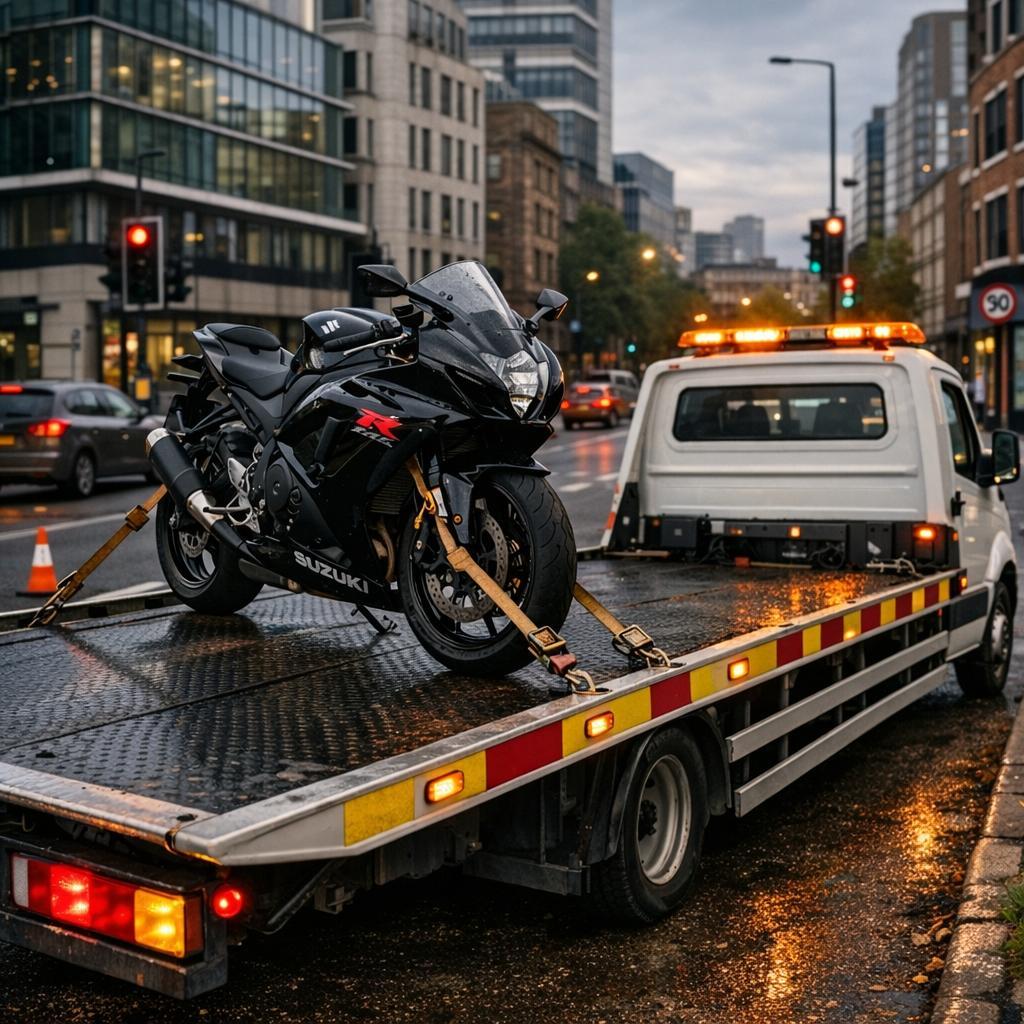
Riding a motorcycle in bad weather can be challenging, especially when heavy rain, strong winds, or sudden temperature drops affect road conditions. In a busy urban area, changing traffic patterns, slippery streets, and limited visibility can make an unexpected breakdown even more stressful. Knowing how to respond safely can protect both the rider and the motorcycle while making it easier to arrange professional assistance. Whether commuting to work or enjoying a weekend ride, every motorcyclist should understand what to do when a bike stops working in unfavorable weather.
Move to a Safe Location First
If your motorcycle begins experiencing mechanical problems during rain or strong winds, focus on reaching a safe location. If possible, move away from moving traffic and stop in a designated parking area, service station, or other secure spot. Avoid stopping around blind corners, narrow shoulders, or busy intersections where approaching drivers may not see you clearly. Once stopped, turn off the engine if you suspect a mechanical issue. Switch on your hazard lights if your motorcycle has them, and use reflective clothing or other visible safety equipment when appropriate. Never attempt a risky maneuver simply to reach a particular destination. If you cannot move the motorcycle safely, prioritize your own safety and contact roadside assistance.
Understand Common Weather-Related Motorcycle Problems
Bad weather can make existing mechanical issues more noticeable and create new riding challenges. Rainwater can reduce traction, while standing water may conceal potholes and road damage. Strong gusts can affect balance, especially on exposed roads and bridges. Cold temperatures may also expose a weak battery, making it difficult to start the engine. Moisture can sometimes affect electrical connections, ignition components, or other vulnerable parts. However, not every breakdown is caused by the weather itself; routine wear, low tire pressure, and neglected maintenance can also contribute. If the motorcycle suddenly loses power, produces unusual noises, or shows warning lights, avoid repeatedly restarting it without understanding the problem. Continuing to ride with a serious mechanical fault may increase the risk of further damage.
Avoid Repairs in Dangerous Conditions
It may be tempting to inspect the motorcycle immediately, but roadside repairs are not always safe during heavy rain, poor visibility, or strong winds. Wet surfaces can make tools slippery, and passing traffic can create additional hazards. Only perform simple checks when the motorcycle is parked in a safe area and conditions allow. Avoid touching exposed electrical components in wet conditions or attempting complicated repairs beside moving traffic. If the bike has a flat tire, damaged controls, a faulty braking system, or signs of an electrical problem, arrange professional assistance instead of risking a temporary repair that may not hold.
Arrange Professional Motorcycle Recovery
When a motorcycle cannot be restarted or ridden safely, professional recovery can help you get it to a suitable repair shop or another agreed destination. Look for a provider with the right equipment and experience handling motorcycles, including damaged or non-running bikes. Reliable Motorcycle Towing Services should use appropriate loading equipment, secure tie-down points, and careful handling procedures to reduce the risk of scratches or other damage during transportation.
When requesting assistance, explain your location, the motorcycle's condition, the type of problem, and the surrounding weather. Mention whether the bike is blocking traffic or positioned somewhere difficult to access. These details can help the provider prepare for the recovery. Before confirming a service, ask about the estimated arrival time, transportation arrangements, and expected charges. During severe weather, response times may vary because of congestion, flooding, or increased demand for roadside assistance.
Prepare for Changing Weather Before Every Ride
Prevention can reduce the chances of being stranded when conditions deteriorate. Before setting out, check the weather forecast and consider postponing your trip if severe storms or hazardous conditions are expected. Inspect tire tread, tire pressure, brakes, lights, battery condition, and fluid levels regularly. Make sure your rain gear fits properly and that your helmet visor provides clear visibility. Carry a charged phone, a portable power bank, and basic emergency supplies. Urban riders should also plan routes carefully. Flood-prone streets, construction zones, and roads with poor drainage may become particularly difficult to navigate after heavy rainfall. Allow extra travel time rather than rushing through changing conditions.
Know When to Stop Riding
Sometimes the safest decision is to end the journey early. If visibility becomes poor, water begins accumulating on the road, or strong winds make it difficult to maintain control, find a safe place to stop when possible. Never ride through floodwater when its depth or current is uncertain. Water can hide road damage, affect the motorcycle's engine and electrical systems, and create dangerous conditions for riders. Your safety matters more than reaching your destination on schedule. If conditions remain hazardous, wait for improvement or arrange transportation for yourself and your motorcycle.
Final Thoughts
A motorcycle breakdown during bad weather can be stressful, but a calm response makes a significant difference. Move away from traffic when possible, avoid unsafe roadside repairs, and seek professional help when the motorcycle cannot be operated safely. Regular maintenance, weather awareness, and an emergency plan can also reduce the likelihood of unexpected problems. By preparing ahead and making safety the priority, riders can handle difficult situations more confidently and protect their motorcycles when the weather takes an unexpected turn.

 English
 Arabic
 French
 Spanish
 Portuguese
 Deutsch
 Turkish
 Italiano
 Russian
 Romaian
 Portuguese (Brazil)
 Greek
