


 About Urh Social
 Terms of Service
 Datenschutzbestimmungen
 Contact
Multigrain Laddu for Healthy Snacking and Everyday Nutrition
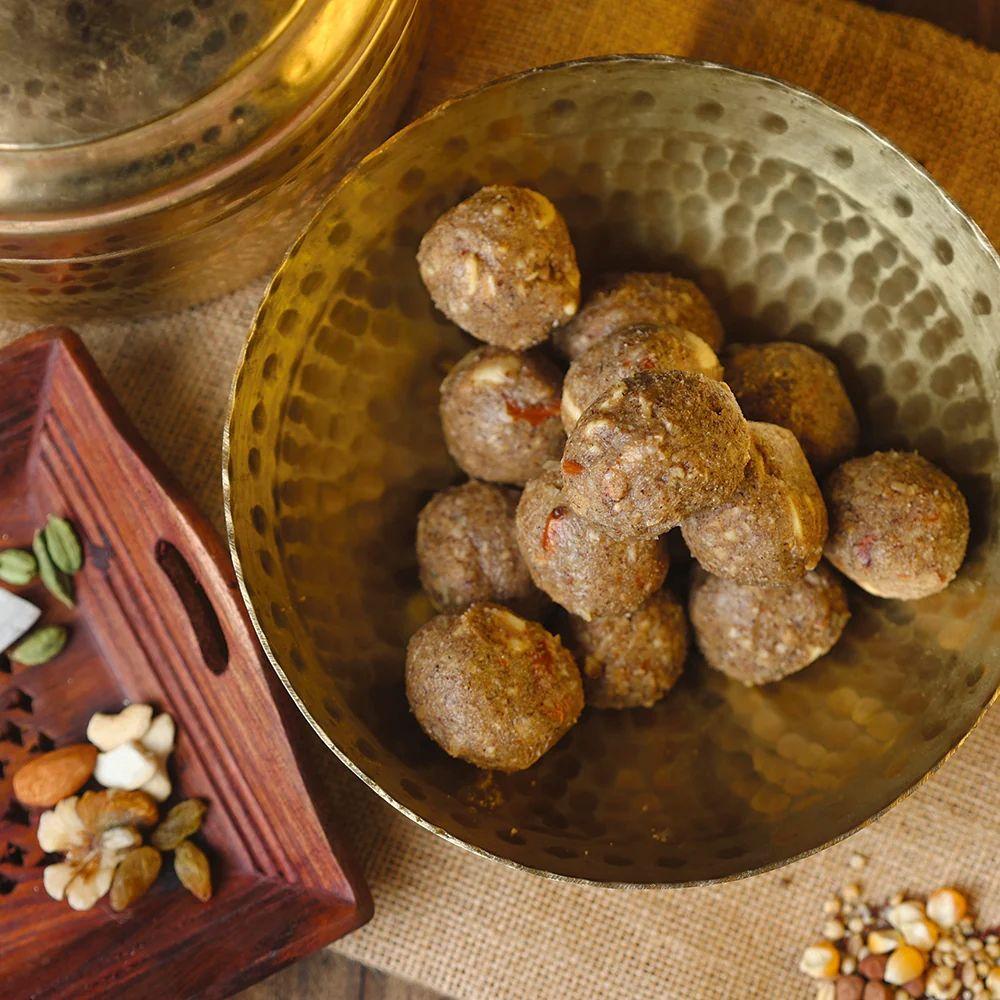
Choosing nutritious snacks can be challenging when busy schedules, irregular meals, and cravings for sweets become part of everyday life. Many people want to enjoy traditional Indian foods while making more informed decisions about their daily nutrition. One practical approach is to choose snacks prepared with wholesome ingredients, including grains, nuts, seeds, and natural sweeteners.
A multigrain laddu brings together the familiar taste of traditional Indian sweets and the nutritional variety of different grains. Depending on its recipe, it may provide carbohydrates for energy, dietary fibre, plant-based protein, and minerals. It can be enjoyed between meals or alongside a balanced eating routine.
However, a food's nutritional value depends on its ingredients, preparation method, portion size, and overall dietary context. Simply combining several grains does not automatically make a snack healthier. Understanding the ingredients and their nutritional contribution helps consumers make choices that suit their needs.
Understanding the Nutritional Value of Different Grains
Grains have been an important part of Indian cooking for generations. Wheat, ragi, bajra, jowar, oats, and other cereals are used in everyday foods such as rotis, porridge, and traditional snacks. Each grain offers a different nutritional profile, making variety a useful part of a balanced diet.A well-prepared multigrain laddu can combine the goodness of different grains in one convenient snack, making ingredient variety easier to incorporate into everyday eating habits.
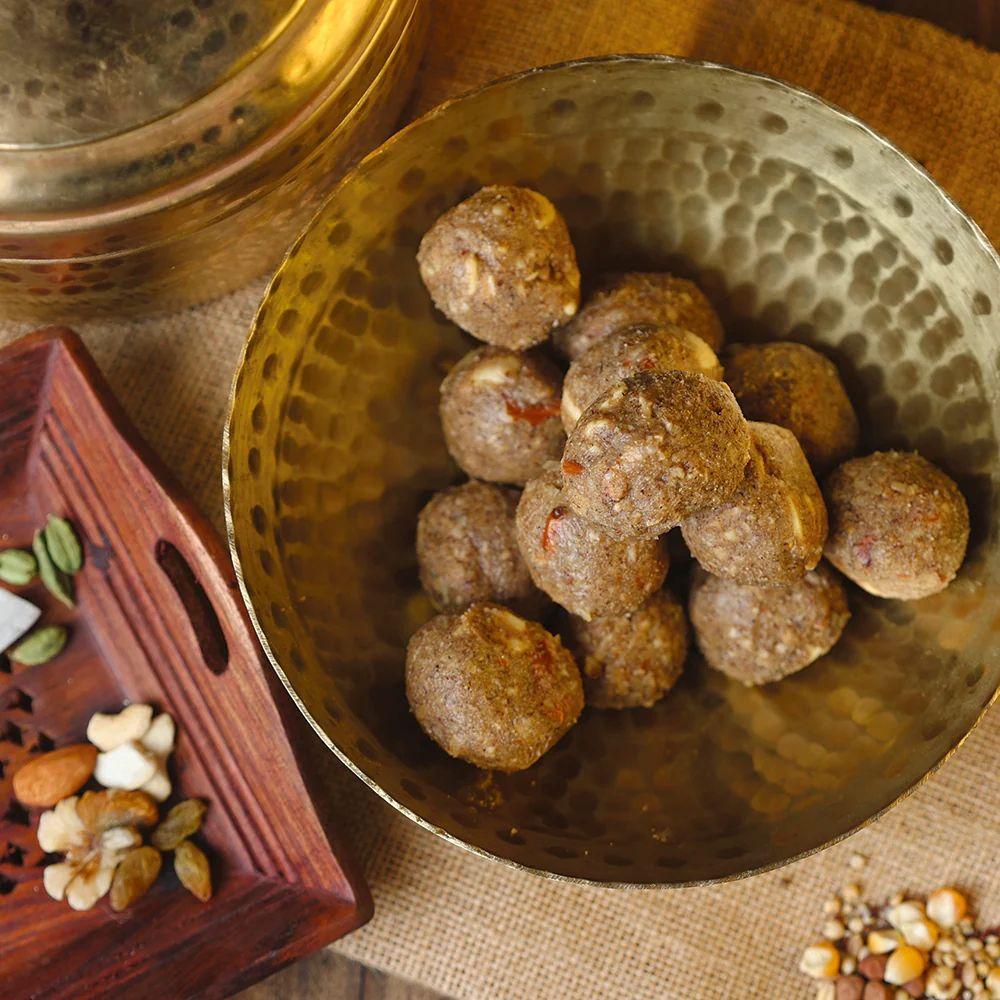
1. Whole Grains for Everyday Energy
Whole grains provide carbohydrates, which the body uses as a primary energy source. They may also supply dietary fibre, B vitamins, and minerals, depending on the grain and how it is processed.
Ragi, commonly known as finger millet, is recognised for its calcium content. Bajra provides energy and minerals, while oats contain soluble fibre. Whole wheat contributes carbohydrates, protein, and fibre.
When these ingredients are combined thoughtfully, a multigrain laddu can offer a convenient way to include several grains in a familiar snack. Nevertheless, its actual nutritional composition depends on the proportions used and whether the ingredients are whole-grain flours or more refined alternatives.
2. Dietary Fibre and Digestive Health
Dietary fibre plays an important role in digestive health and helps support regular bowel movements. Whole grains, fruits, vegetables, pulses, nuts, and seeds are useful sources of fibre.
The Indian Council of Medical Research and the National Institute of Nutrition emphasise dietary variety and the inclusion of whole grains, vegetables, fruits, pulses, and nuts in a balanced diet.
For example, someone who usually snacks on refined-flour biscuits could occasionally choose a grain-based snack alongside fresh fruit or yoghurt. This small change can contribute to a more varied eating pattern.
However, the fibre content of a sweet snack can vary considerably. A recipe containing several refined flours may offer less fibre than one made with whole-grain ingredients. Checking the ingredient list is therefore more useful than relying on the product name alone.
3. Nuts and Seeds for Additional Nutrients
Many traditional Indian laddus include almonds, peanuts, sesame seeds, flaxseeds, or other nuts and seeds. These ingredients can provide healthy unsaturated fats, plant-based protein, and minerals.
Almonds contain vitamin E, while sesame seeds provide minerals such as calcium. Peanuts contribute protein and fats, and flaxseeds contain alpha-linolenic acid, a plant-based omega-3 fatty acid.
Adding these ingredients can increase the nutritional variety of a recipe. At the same time, nuts and seeds are energy-dense, meaning that even a small serving can contribute a substantial amount of energy.
For people who enjoy traditional Indian sweets, a multigrain laddu can be an occasional snack when enjoyed in an appropriate portion as part of a balanced diet.
How Traditional Snacks Can Fit Into a Balanced Diet ?
Traditional Indian food habits offer many examples of practical, ingredient-based nutrition. Roasted chana, homemade poha, vegetable upma, fruit, and grain-based sweets can all have a place in a varied diet when portions and preparation methods are considered.Maa Mitahara focuses on traditional Indian food products that bring familiar recipes into modern eating routines.
A multigrain laddu can serve as an occasional snack or a convenient addition to a meal plan. For example, an adult who needs a quick snack during a busy workday might enjoy one small serving with unsweetened tea or milk, depending on their dietary preferences.
The important point is not to replace complete meals with sweets. Snacks should complement meals that provide a wider range of nutrients, including vegetables, fruits, pulses, protein-rich foods, and appropriate sources of fats.
Traditional foods are most useful when they are prepared thoughtfully and consumed in reasonable quantities.
Choosing Better Ingredients for Homemade Recipes
Preparing snacks at home gives families greater control over ingredients, sweetness, and portion sizes. It also allows recipes to reflect regional food traditions and individual preferences.
A simple recipe can include whole-wheat flour, ragi flour, bajra flour, finely chopped nuts, and a suitable amount of ghee. Jaggery may be used for sweetness, although it should not be treated as a sugar-free ingredient.
Here are a few practical ways to improve the nutritional balance of homemade snacks:
-
Choose whole-grain ingredients: Use grains that retain their fibre-rich outer layers where appropriate.
-
Vary the grain combination: Combine grains according to taste, availability, and dietary requirements rather than assuming that more varieties always mean better nutrition.
-
Measure the sweetener: Adjust jaggery or other sweeteners to achieve the desired taste without adding unnecessary amounts.
-
Use fats thoughtfully: Ghee and nuts contribute flavour and energy, but their quantities affect the final nutritional profile.
-
Prepare manageable portions: Making smaller laddus can help with portion awareness and reduce the temptation to eat several servings at once.
These changes preserve the familiar character of traditional sweets while encouraging more mindful eating.
Features of a Well-Made Grain-Based Laddu
When comparing traditional grain-based snacks, consider the following characteristics rather than relying only on health-related claims.
Ingredient Transparency
A clear ingredient list helps consumers understand which grains, nuts, seeds, fats, and sweeteners are used. Ingredients listed first generally make up a larger proportion of the product by weight.
Variety of Grains
Recipes that use different whole grains can offer a broader range of nutrients. However, the nutritional benefits depend on the actual ingredients and their proportions.
Appropriate Sweetness
Jaggery is traditionally used in many Indian sweets, but it still contributes sugars and calories. A product made with jaggery is not automatically suitable for unrestricted consumption.
Freshness and Food Safety
Proper storage, hygienic preparation, and suitable packaging help maintain product quality. Consumers should follow the storage instructions and check the best-before date.
Practical Portion Sizes
Individual needs differ according to age, activity, health conditions, and dietary goals. Smaller portions can make energy-dense snacks easier to include within an overall eating plan.
For those comparing traditional options, Maa Mitahara's multigrain laddu provides an example of a grain-based sweet made with a combination of grains and other traditional ingredients. Consumers should review the current ingredient list and product information before making a purchase.
Everyday Situations Where Grain-Based Snacks May Be Useful
Traditional snacks can be convenient in several everyday situations, provided they fit individual nutritional needs.
During Busy Workdays
People with limited time between meetings or daily responsibilities may appreciate a portable snack. Pairing a small sweet with fruit, milk, or another suitable food can help create a more balanced snack than relying on sweets alone.
For Active Adults
People who walk regularly, exercise, or have physically demanding routines need sufficient energy from their overall diet. Grain-based snacks can contribute carbohydrates, but portion sizes should reflect individual energy requirements.
In Traditional Family Meal Planning
Indian households often prepare sweets for festivals, family gatherings, and special occasions. Using a variety of grains and nuts can introduce different ingredients into traditional recipes while preserving familiar flavours.
During Pregnancy and After Childbirth
Nutritional needs can change during pregnancy and postpartum recovery. Meals should provide adequate energy, protein, vitamins, minerals, and fluids according to individual requirements.
A multigrain laddu may be included in some dietary routines, but it should not replace balanced meals or prescribed nutritional supplements. Pregnant women and new mothers with gestational diabetes, diabetes, allergies, digestive concerns, or other medical conditions should seek advice from their doctor or registered dietitian before making significant dietary changes.
Traditional foods can complement modern nutrition guidance, but individual medical advice remains important.
Understanding Labels and Making Informed Choices
Packaged foods can differ considerably in their ingredients and nutritional composition. Reading labels helps consumers compare products more accurately.
The Food Safety and Standards Authority of India provides guidance on interpreting food labels and understanding nutrients such as sugars, protein, dietary fibre, and fats.
Before choosing a packaged snack, consider these questions:
-
Are whole grains clearly identified in the ingredient list?
-
Which sweeteners are used, and how much sugar does the nutrition label report?
-
Does the product contain nuts, dairy, gluten, or other potential allergens?
-
Is the serving size clearly stated?
-
Are the manufacturing, storage, and best-before details available?
These checks are particularly useful for people managing specific dietary requirements. For example, someone monitoring blood glucose should consider the total carbohydrate content and serving size rather than assuming that a grain-based or jaggery-sweetened product will have little effect on blood sugar.When preparing a multigrain laddu at home, selecting whole-grain flours and controlling the amount of added sweetener can help you make more informed choices about its nutritional value.
At Maa Mitahara, the broader traditional-food approach reflects an interest in combining familiar Indian recipes with contemporary nutritional awareness. Consumers should still evaluate every product according to its actual ingredients and their personal requirements.
Frequently Asked Questions
1. Can traditional grain-based sweets be eaten every day?
They may fit into some people's daily eating routines, but frequency and portion size depend on the recipe, energy needs, and health conditions. A varied diet should remain the priority.
2. Are homemade snacks always healthier than packaged products?
Not necessarily. Homemade recipes offer greater control over ingredients, while packaged products may provide consistent preparation and clear nutritional labelling. Both should be assessed according to their ingredients, preparation methods, and portion sizes.
3. Is jaggery better than refined sugar?
Jaggery contains small amounts of minerals, but it is still a source of sugar and energy. It should not be considered a sugar-free alternative, especially by people managing blood glucose.
4. How should traditional sweets be stored?
Follow the manufacturer's storage instructions or a reliable recipe's guidance. Use clean, dry containers where appropriate, protect food from moisture, and discard products that show signs of spoilage.
5. What should people with diabetes consider before eating sweets?
They should consider total carbohydrates, serving size, added sugars, and their individual glucose-management plan. A healthcare professional or registered dietitian can provide personalised advice.
Conclusion: Bringing Tradition and Nutrition Together
Traditional Indian snacks remain popular because they combine familiar flavours, cultural significance, and convenient preparation. When made with suitable ingredients, grain-based sweets can contribute variety to an overall eating routine. Their nutritional value, however, depends on the recipe, portion size, and the rest of the diet.
The most practical approach is to choose foods thoughtfully, read ingredient labels, and avoid assuming that a product is automatically healthy because it contains multiple grains or a traditional sweetener.
Maa Mitahara encourages an appreciation of traditional Indian food practices alongside informed nutritional choices. Exploring ingredient-focused recipes and understanding personal dietary needs can help families make more confident decisions about everyday snacks.
A balanced diet does not require abandoning traditional foods. It requires enjoying them mindfully, in appropriate portions, as part of a varied and nourishing lifestyle.
For more information visit here: https://maamitahara.com/products/healthy-delights-multigrain-laddu

 English
 Arabic
 French
 Spanish
 Portuguese
 Turkish
 Dutch
 Italiano
 Russian
 Romaian
 Portuguese (Brazil)
 Greek
