


 About Urh Social
 Terms of Service
 Privacy Policy
 Contact
Compression Garments for Lipedema: Benefits and Fit
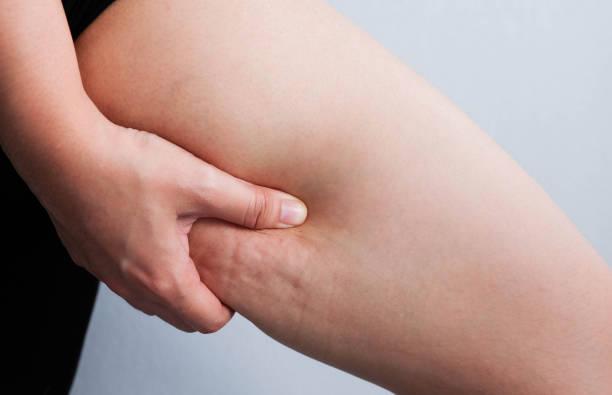
Lipedema is a chronic condition characterized by an abnormal buildup of fat, usually affecting the legs and sometimes the arms. It can cause tenderness, swelling, heaviness, bruising, and discomfort that may interfere with everyday activities. Although compression garments do not cure lipedema, they can play an important role in managing symptoms and supporting daily comfort. Understanding how these garments work, which types are available, and how to choose the right fit can help individuals make informed decisions about their care.
For people exploring treatment options, consulting a qualified lipedema specialist near me can help determine whether compression therapy is suitable for their symptoms and individual needs. At Enfield Royal Clinic, learning about conservative management options can be a useful starting point for understanding lipedema and developing a personalized approach to care. Proper assessment is essential because the right garment, compression level, and wearing schedule can vary from person to person.
What Are Compression Garments for Lipedema?
Compression garments are specially designed clothing items that apply controlled pressure to specific areas of the body. They are commonly available as leggings, stockings, sleeves, and other supportive garments. For people living with Lipedema in Riyadh, these garments may help manage discomfort, support mobility, and improve day-to-day symptom control.
Unlike ordinary tight clothing, medical compression garments are designed to distribute pressure in a specific way. Their purpose is to provide support without unnecessarily restricting movement or circulation. A healthcare professional can assess whether compression is appropriate and recommend a suitable garment based on the individual's symptoms, limb shape, skin condition, and medical history.
Benefits of Compression Garments for Lipedema
Helping Manage Swelling and Fluid Buildup
Lipedema primarily involves abnormal fatty tissue, but some individuals also experience fluid-related swelling or coexisting lymphatic problems. Compression may support fluid movement and help manage swelling when these issues are present. However, results vary, and compression does not remove lipedema fat or reverse the underlying condition.
Reducing Heaviness and Discomfort
Many people with lipedema report aching, tenderness, pressure, or a feeling of heaviness in their legs. Properly fitted compression garments may provide supportive pressure that makes standing, walking, or performing daily tasks more comfortable. The level of relief differs between individuals, so the garment should be assessed according to personal needs.
Supporting Everyday Mobility
When discomfort is better managed, some people find it easier to remain active throughout the day. Compression garments can be incorporated into a broader management plan that may include suitable physical activity, skin care, and other conservative treatments recommended by a healthcare professional. They should support movement rather than make it painful or difficult.
Improving Confidence and Routine Comfort
Living with a chronic condition can affect confidence and clothing choices. A comfortable, discreet compression garment may help some individuals feel more supported during work, travel, exercise, and everyday activities. Choosing breathable materials and a suitable design can make regular use easier.
How to Choose the Right Compression Garment
Get Professionally Assessed
The correct garment depends on several factors, including symptoms, body measurements, circulation, skin sensitivity, and whether additional conditions such as lymphedema are present. A qualified healthcare professional can determine whether compression is appropriate and advise on the required compression level.
Focus on Accurate Measurements
Proper fit is essential for comfort and effectiveness. Garments that are too loose may provide insufficient support, while garments that are too tight can cause pain, skin irritation, pressure marks, or circulation problems. Professional measurements may be especially helpful when limb shape differs from standard sizing.
Choose the Right Material and Design
Compression garments come in different fabrics, lengths, and construction styles. Some people prefer breathable materials for warm weather, while others need garments that are easier to put on and remove. The best option should provide suitable support without excessive friction, bunching, or restricted movement.
Follow a Suitable Wearing Routine
The recommended wearing schedule depends on the individual's condition and professional guidance. Check the skin regularly and follow instructions for washing and replacing garments. Remove the garment and seek medical advice if you experience new numbness, unusual discoloration, increasing pain, or significant skin irritation. Sudden swelling, severe pain, or a newly swollen limb requires prompt medical assessment.
Frequently Asked Questions
Can compression garments cure lipedema?
No. Compression garments do not cure lipedema or eliminate abnormal fatty tissue. They may help manage discomfort and associated swelling as part of a broader treatment plan.
How long should I wear compression garments each day?
The appropriate duration varies according to individual symptoms, garment type, and medical advice. A healthcare professional can recommend a suitable schedule based on your needs.
Can compression garments make lipedema less painful?
They may help reduce feelings of heaviness and discomfort for some people. However, the degree of relief varies, and proper sizing is important to avoid additional discomfort.
Are compression garments suitable for everyone with lipedema?
Not necessarily. Certain circulation problems, skin conditions, and other medical concerns may affect whether compression is safe. Professional assessment is recommended before starting compression therapy.
How do I know if my compression garment fits correctly?
A properly fitted garment should feel supportive without causing significant pain, numbness, deep pressure marks, or restricted movement. If these symptoms occur, remove it and seek professional guidance.
Consult Enfield Royal Clinic
Understanding lipedema and choosing suitable compression garments can be an important step toward better symptom management and everyday comfort. Enfield Royal Clinic can be a starting point for exploring available care options and discussing your concerns with a qualified healthcare professional. Arrange a consultation to learn more about appropriate assessment, conservative management, and a care plan tailored to your individual needs.

 English
 Arabic
 French
 Portuguese
 Deutsch
 Turkish
 Dutch
 Italiano
 Russian
 Romaian
 Portuguese (Brazil)
 Greek
