


 About Urh Social
 Terms of Service
 Privacy Policy
 Contact
When Is the Best Time to Schedule Sod Installation in Mansfield, TX?
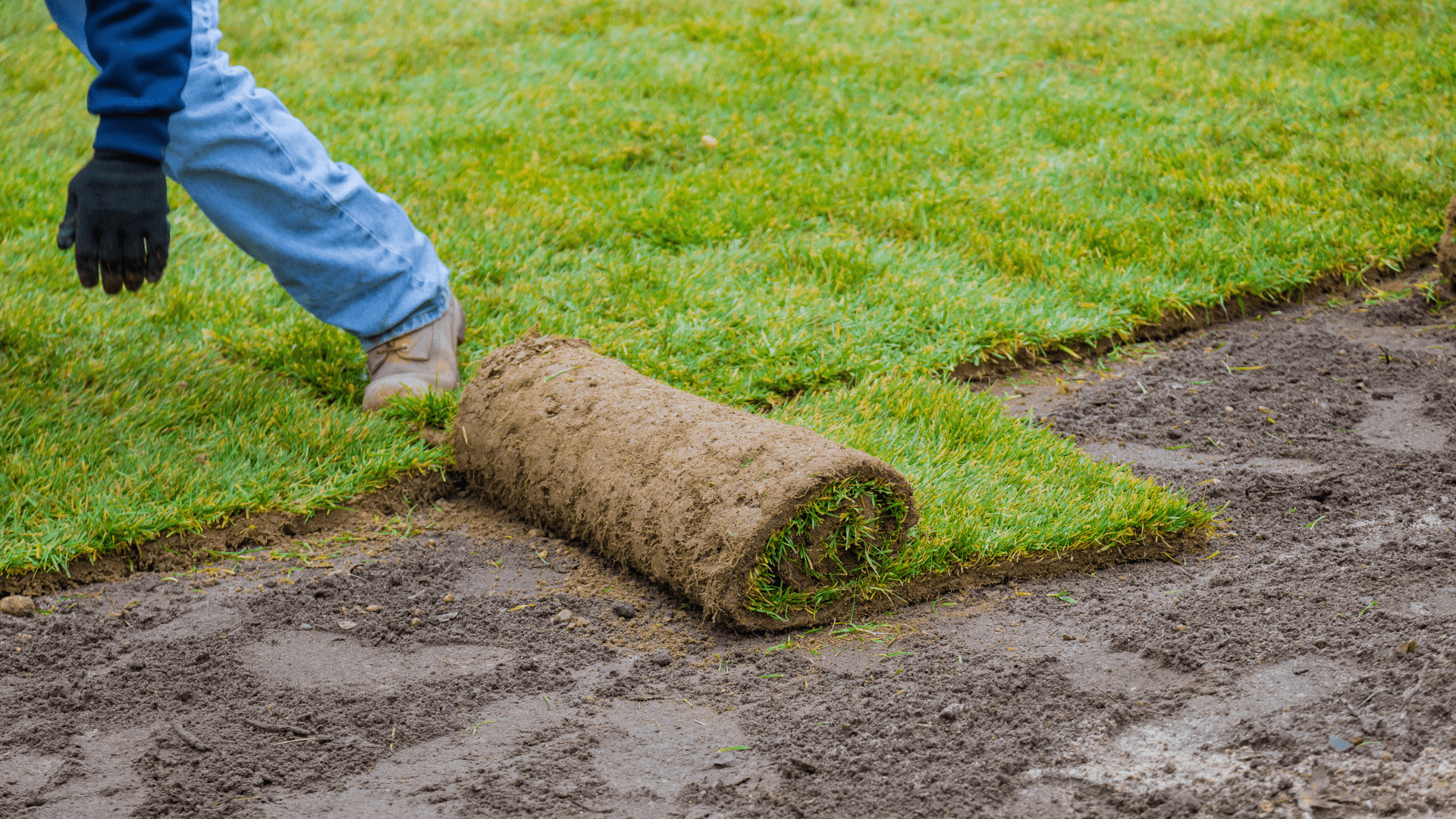
For most Mansfield homeowners, spring and early fall offer the best conditions for installing warm-season grass. Late March through May is often a favorable window once the soil has warmed, while September and early October can provide another good opportunity. During these periods, grass can establish roots without facing the most intense summer heat or the cold conditions that slow growth later in the year. The exact timing depends on the grass variety, soil temperature, rainfall, and the weather forecast.
Spring installation gives new sod several months of active growing weather before winter dormancy. However, summer installation is possible when the site is properly prepared and the homeowner can provide frequent, careful watering. The challenge is that high temperatures can dry out newly laid turf quickly, especially when roots have not yet reached the underlying soil. If you plan to Sod installation Mansfield TX during summer, discuss irrigation needs and local watering restrictions with your contractor before scheduling the work.
Early fall can be an excellent alternative because temperatures often become more moderate while the soil remains warm enough for root development. Avoid leaving installation too late in autumn, as declining soil temperatures can slow establishment before winter. Dormant-season installation may be possible in certain situations, but warm-season grass generally will not root as actively until conditions improve. A professional assessment can help determine whether to install immediately or wait for a more favorable period.
Best Season for Sod Installation in Mansfield
Each season presents different opportunities and challenges for installing new grass. Understanding these differences helps you choose a schedule that supports healthy root development and reduces unnecessary stress on your lawn.
Spring: A Great Time for New Grass
Spring is often the preferred season for sod installation because temperatures begin to rise and warm-season grasses enter active growth. The period from April through May can provide favorable conditions for Bermuda, Zoysia, and other suitable turf varieties. Moderate temperatures and seasonal rainfall may also reduce some watering demands, although newly installed sod still needs careful moisture management. Scheduling early gives your lawn more time to establish before the hottest part of summer.
Summer: Possible With Extra Care
Summer installation can work, but intense heat increases the risk of drying and root stress. Fresh sod may need more frequent watering, particularly during the first two weeks after installation. Prepare the irrigation system in advance and monitor soil moisture throughout the day. If extreme heat or watering restrictions make establishment difficult, postponing the project until conditions improve may be the more practical choice.
Fall: Another Favorable Window
Early fall provides a second opportunity to install sod because temperatures often become milder while the soil remains warm. September and early October can be suitable periods, depending on local conditions and the selected grass. However, installation later in autumn leaves less time for roots to develop before winter dormancy. Plan the project early enough to give the grass a reasonable establishment period before colder weather arrives.
How Paver Installation Fits Into Your Landscaping Schedule
Many homeowners plan lawn improvements alongside patios, walkways, garden borders, or outdoor entertainment areas. Scheduling Paver installation Mansfield TX projects alongside sod work can create a more coordinated landscape and reduce the need to disturb newly installed grass later. Pavers provide durable surfaces for walking, seating, and entertaining, while a healthy lawn softens the surrounding hardscape and creates visual balance.
In most projects, heavy construction and paver installation should be completed before the final sod installation. Excavation, base preparation, material deliveries, and equipment movement can damage fresh turf or compact the soil. Completing hardscape work first allows contractors to establish the final grades, protect drainage routes, and define the lawn's boundaries before the grass is laid. This sequence can also reduce cleanup and prevent unnecessary repairs.
Weather conditions matter for hardscaping, too. Dry, workable ground generally makes excavation, grading, and base compaction easier, while heavy rain can delay work or interfere with preparing the paver base. A professional contractor should consider soil conditions, drainage, and the project's construction requirements when setting the schedule. Coordinating the work in advance helps ensure that the lawn and hardscape complement one another rather than creating separate maintenance problems.
Preparing Your Lawn Before Installation Day
Successful sod installation begins well before the grass arrives. Start by confirming the lawn measurements, selecting an appropriate turf variety, and identifying any existing drainage or irrigation concerns. Remove unwanted vegetation and debris, correct uneven ground, and prepare the soil according to its condition. A firm, properly graded surface helps the sod make consistent contact with the soil and encourages roots to establish more effectively.
Your irrigation system should also be checked before installation. Make sure sprinklers cover the intended lawn area without leaving large dry spots or directing excessive water toward buildings and paved surfaces. If the property has compacted soil or areas where water collects, address these issues before laying the sod. Good preparation is especially important in North Texas, where heavy clay soils can drain slowly and become difficult to manage during wet or dry periods.
Finally, coordinate the delivery so the sod can be installed promptly. Sod is perishable and can deteriorate when left stacked for too long, especially in hot weather. Confirm that the installation crew, equipment, and watering arrangements are ready before the shipment arrives. These preparations help the project proceed efficiently and give the grass a better opportunity to establish successfully.
Conclusion
The best time for sod installation in Mansfield generally falls in spring, when warm-season grasses begin growing actively, or early fall, when temperatures become more moderate. Summer installation remains possible with careful preparation and consistent watering, but extreme heat can make establishment more challenging. Choosing the right timing, selecting suitable grass, and preparing the soil properly are essential steps toward building a healthy lawn.
If you are planning Sod installation Mansfield TX services, consider your property's sunlight, drainage, irrigation system, and intended use before choosing an installation date. When your project also includes Paver installation Mansfield TX, schedule the construction work carefully so heavy equipment and excavation do not damage the new turf. A coordinated plan helps create a more attractive and functional outdoor space while reducing avoidable delays and repairs.
By working with an experienced landscaping professional, you can establish a realistic timeline, understand the care your new lawn will require, and make informed decisions about materials and installation methods. With proper planning and consistent aftercare, your sod can develop strong roots and provide a greener, more inviting landscape for your home.

 English
 Arabic
 French
 Spanish
 Portuguese
 Deutsch
 Turkish
 Italiano
 Russian
 Romaian
 Portuguese (Brazil)
 Greek
