


 About Urh Social
 Terms of Service
 Política de Privacidade
 Contact
How to Choose the Best Butterfly Ball Valve for Industrial Systems
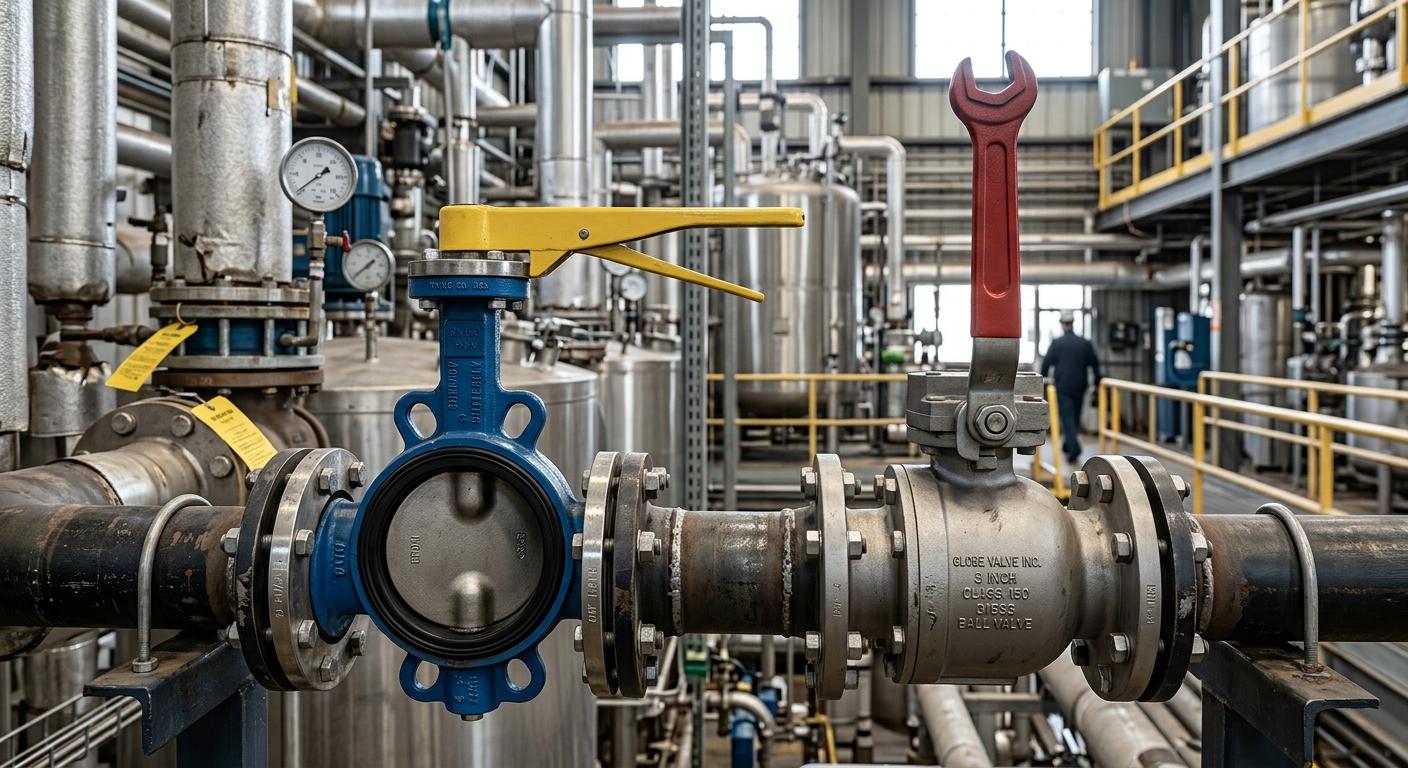
Industrial piping systems depend on reliable valves to control fluid movement, maintain operating pressure, and isolate equipment during maintenance. The term butterfly ball valve is sometimes used broadly when discussing these flow control solutions. However, butterfly valves and ball valves are separate designs, each with distinct operating characteristics and advantages.
Choosing the right valve requires more than comparing product prices. Businesses must consider the type of fluid, pipeline dimensions, pressure requirements, temperature limits, sealing performance, and frequency of operation. A suitable valve can help improve system reliability, reduce maintenance costs, and support consistent production.
Understanding the Difference Between Valve Designs
Butterfly valves use a circular disc mounted on a rotating shaft. When the disc turns, it either permits fluid movement or restricts the passage through the pipeline. This simple mechanism makes butterfly valves particularly useful in large-diameter piping systems.
Ball valves use a spherical closure element containing a bore. When the bore aligns with the pipeline, fluid can pass through. A quarter-turn moves the ball into a closed position, creating a seal against the flow.
Both designs can offer quick operation, but their performance differs according to application requirements. Butterfly valves generally require less installation space and can be economical for large pipes. Ball valves are frequently preferred when tight shutoff is a major priority.
Understanding these differences helps engineers avoid selecting a product based only on its name or general appearance.
Consider Pressure and Temperature Requirements
Pressure and temperature are two of the most important factors in valve selection. Every valve has defined operating limits, and these limits depend on its construction, materials, sealing components, and design.
Before choosing a butterfly ball valve, engineers should identify the system's normal operating pressure as well as possible pressure surges. The valve's pressure rating must remain suitable for the expected service conditions. Water hammer and other sudden pressure changes should also be considered where relevant.
Temperature affects both metal components and seals. High temperatures may reduce the performance of some elastomers, while low temperatures can make certain sealing materials less flexible. Industrial systems involving steam, hot water, oils, or chemical fluids therefore require careful material evaluation.
Manufacturers' pressure-temperature ratings should always be checked. A valve's maximum pressure rating at room temperature may not apply at elevated temperatures.
Select Materials According to the Fluid
The fluid passing through a valve determines which construction materials are appropriate. Water, oils, compressed gases, food products, and industrial chemicals can create different demands on valve bodies and internal components.
Stainless steel is commonly selected for applications that require corrosion resistance and durability. Carbon steel may suit certain industrial services where strength and operating conditions justify its use. Ductile iron is another option for suitable water distribution and general industrial applications.
Sealing materials must also be compatible with the medium. PTFE offers broad chemical resistance in many applications, while EPDM is commonly used in suitable water-based services. Other materials may be required for hydrocarbons, aggressive chemicals, or elevated temperatures.
No single material is appropriate for every situation. Buyers should review compatibility charts and consult the manufacturer when the fluid composition or operating conditions are uncertain.
Evaluate Flow Control and Shutoff Performance
Different processes require different levels of flow control. Some systems need a valve that simply opens or closes, while others require the flow rate to be adjusted during operation.
Butterfly valves can provide flow regulation when the valve design and operating conditions support it. They are frequently used in water treatment, ventilation systems, and industrial distribution networks. However, the pressure drop and flow characteristics must be considered when selecting a valve for throttling.
Ball valves are often valued for their effective shutoff capabilities. Standard full-port designs can provide a relatively unrestricted flow path when fully open. Specialized ball valve designs may also support control applications, but their suitability depends on the manufacturer's specifications.
When comparing products, buyers should check leakage classifications, flow coefficients, operating torque, and the intended duty. These details help determine whether the valve can meet the actual requirements of the system.
Installation Space and Connection Types
Available installation space can influence the choice between butterfly and ball valves. Butterfly valves typically have a compact body and are frequently used where large pipelines must be controlled without adding excessive weight.
Ball valves are available in multiple configurations, including threaded, flanged, welded, and other connection types. Butterfly valves may also be supplied with wafer, lug, or flanged connections, depending on the product range.
The correct connection must match the pipeline design and applicable standards. Engineers should also consider maintenance access, actuator clearance, support requirements, and the possibility of future component replacement.
A valve that fits the pipeline dimensions may still be unsuitable if there is insufficient room for operation or servicing. Reviewing installation drawings before purchasing can help prevent costly modifications.
Maintenance and Long-Term Reliability
Routine maintenance supports dependable valve operation and helps identify early signs of damage. Inspection frequency should reflect the service environment, operating cycles, manufacturer recommendations, and consequences of failure.
Common issues include worn seals, corrosion, deposits, actuator faults, and excessive operating torque. In demanding applications, contamination or abrasive particles can also accelerate wear.
Butterfly valves may require attention to disc edges, shaft components, and seat condition. Ball valves may need inspection of sealing surfaces, seats, and stem packing. Maintenance procedures differ by design, so technicians should follow the relevant manufacturer's instructions.
Automated valves require additional checks of actuators, control signals, and position feedback. Proper maintenance records can help facilities identify recurring problems and plan replacement before a failure interrupts production.
Choosing a Dependable Supplier
A qualified valve supplier should provide accurate specifications, material information, pressure ratings, and relevant certification documents. Technical support is particularly valuable when a system involves unusual temperatures, corrosive fluids, or strict leakage requirements.
Buyers should also ask about spare parts, warranty conditions, product testing, and delivery schedules. These factors can affect the long-term cost and reliability of the installation.
Rather than choosing a butterfly ball valve solely because it has a competitive price, businesses should compare products according to their intended use. A lower-cost product may become more expensive if it requires frequent repairs or cannot withstand the system's operating conditions.
Conclusion
Selecting the best valve for an industrial system requires a clear understanding of flow requirements, pressure limits, temperature conditions, materials, and maintenance needs. Butterfly valves are often advantageous for large pipelines and space-conscious installations, while ball valves are widely used where dependable shutoff is important. By comparing technical specifications and working with a knowledgeable supplier, businesses can choose an appropriate valve solution that supports safe, efficient, and reliable operations.

 English
 Arabic
 French
 Spanish
 Deutsch
 Turkish
 Dutch
 Italiano
 Russian
 Romaian
 Portuguese (Brazil)
 Greek
