


 About Urh Social
 Terms of Service
 Datenschutzbestimmungen
 Contact
Acupuncture for Sciatica NYC: Natural Pain Management and Personalized Relief
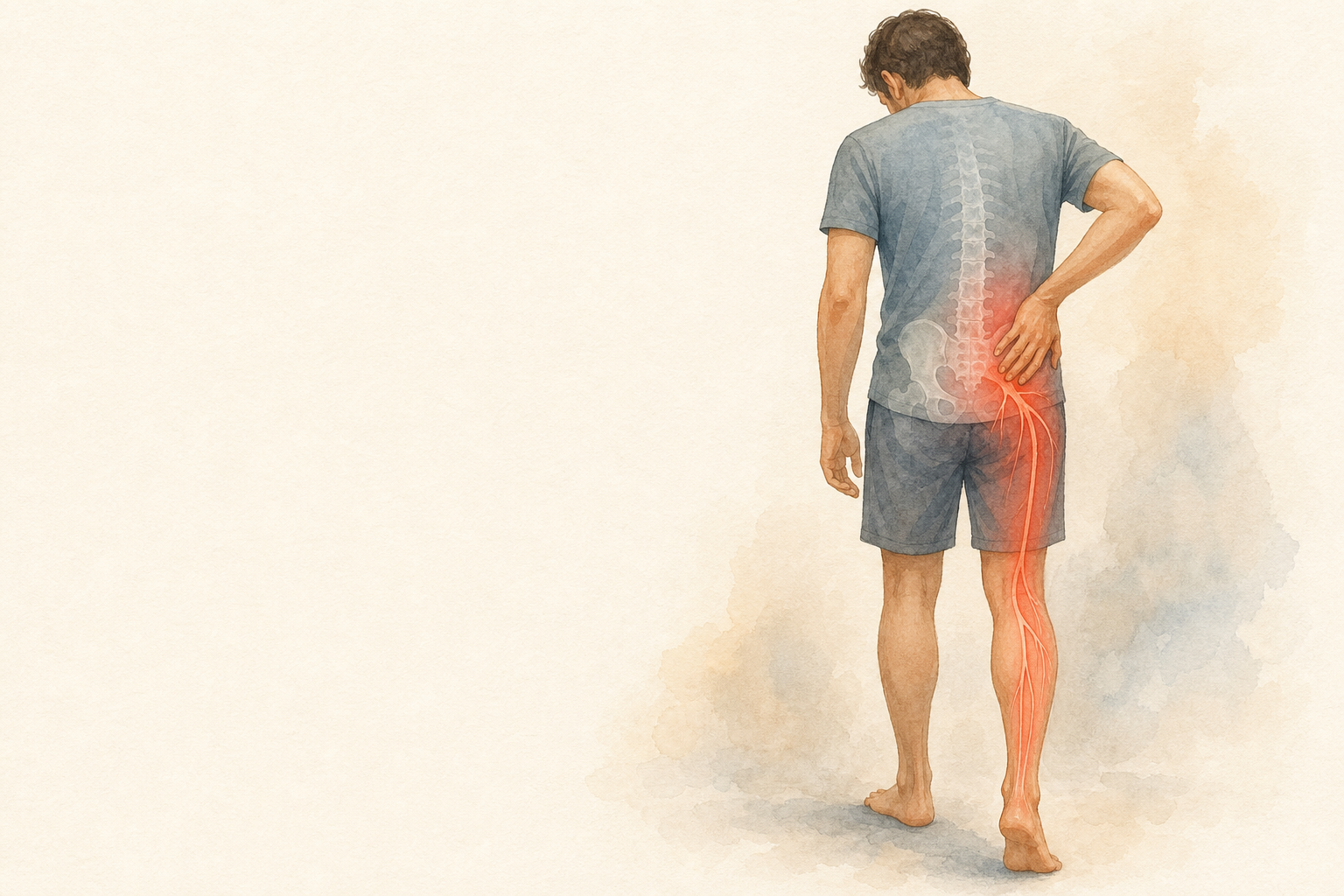
Sciatica can turn simple daily activities into uncomfortable challenges. Sitting at work, walking to the subway, driving, or getting comfortable in bed may become difficult when pain travels from the lower back into the buttock and leg. For some people, sciatica causes sharp, shooting pain, while others experience tingling, numbness, or muscle weakness. Finding the right treatment starts with understanding what is irritating the nerve and how the symptoms affect everyday life.
Acupuncture is a complementary approach that may help manage lower back pain and radiating leg discomfort. This traditional treatment uses fine, sterile needles placed at specific points on the body. Research suggests acupuncture may help reduce pain and improve function in some people with sciatica. Its effectiveness depends on the underlying cause, symptom severity, and individual response, so treatment should be guided by a proper assessment.
Understanding Sciatica and Sciatic Nerve Pain
The sciatic nerve is formed by nerve roots in the lower spine and extends through the buttock into each leg. Sciatica occurs when these nerve roots become irritated or compressed, producing symptoms that often affect one side of the body.
A herniated disc is a common cause, but spinal narrowing, age-related changes, and other conditions can also contribute to nerve irritation. For people exploring Acupuncture for Sciatica NYC, understanding the underlying cause of sciatic nerve pain is an important step toward choosing an appropriate treatment approach.
Common symptoms of sciatica include:
-
Pain that travels from the lower back or buttock down the leg.
-
Burning, shooting, or electric-like sensations.
-
Tingling or numbness in the leg or foot.
-
Discomfort that becomes worse during prolonged sitting or certain movements.
-
Weakness affecting the leg or foot in some cases.
Common Causes and Types of Sciatic Nerve Pain
Not every person experiences sciatica in the same way. Recognizing symptom patterns can help explain why individualized assessment matters.
Disc-Related Sciatica
A herniated disc in the lumbar spine may irritate a nearby nerve root. Symptoms can include radiating leg pain, tingling, numbness, or weakness. Treatment should take the underlying nerve problem into account.
Sciatica Associated With Spinal Changes
Age-related changes or narrowing around the spinal nerves can contribute to radiating pain. Symptoms may vary with posture, walking, and other activities, making a medical assessment important.
Sciatic-Like Pain From Other Conditions
Hip disorders, muscle problems, and other nerve conditions can sometimes produce similar symptoms. A practitioner should not assume that every case of leg pain is sciatica without considering other possible causes.
What Happens During Sciatica Acupuncture Treatment?
A personalized treatment approach begins with understanding your symptoms, health history, and functional limitations.
Initial Assessment and Treatment Planning
A thorough assessment helps the practitioner understand your symptoms, medical history, pain patterns, and daily challenges. They may ask which activities worsen your discomfort and whether you experience numbness or weakness. This information helps create a personalized treatment plan that reflects your individual needs and health goals.
Targeted Acupuncture and Electroacupuncture
Depending on your symptoms, treatment may include acupuncture or electroacupuncture to help manage discomfort and support comfortable movement. The practitioner selects appropriate techniques based on your condition, medical history, and comfort level. Treatment may be adjusted over time according to your response and progress.
Reviewing Progress Over Time
Regular progress reviews help track changes in pain intensity, flexibility, sleep quality, and everyday movement. You may also discuss whether activities such as walking, sitting, and working have become more comfortable. If symptoms persist or worsen, your practitioner can reassess the approach and recommend further medical evaluation when necessary.
Choosing the Right Sciatica Acupuncture Clinic in NYC
Finding the right acupuncture clinic starts with choosing a licensed practitioner who understands sciatica and its impact on daily life. Look for a clinic that offers personalized assessments, explains available treatment options, and sets realistic expectations for pain management and mobility. Experience with lower back pain, radiating leg discomfort, and electroacupuncture can also help you make an informed decision.
Before starting treatment, ask about the recommended session schedule, potential side effects, and how progress will be measured. A reliable practitioner should also recognize when additional medical evaluation is necessary. Depending on your condition, acupuncture may complement physical therapy, guided exercises, or other treatments recommended by your healthcare provider.
Frequently Asked Questions
1. Does acupuncture help relieve sciatic nerve pain?
Acupuncture may help reduce sciatic pain and improve mobility in some people, but results vary depending on the underlying cause.
2. How many acupuncture sessions are needed for sciatica?
The number of sessions depends on symptom severity, duration, and individual response to treatment.
3. Is acupuncture better than physical therapy for sciatica?
Both may help manage sciatica; the best option depends on your condition and treatment goals.
4. Can acupuncture treat sciatica caused by a herniated disc?
Acupuncture may help relieve associated pain but cannot repair a herniated disc or remove nerve compression.
5. Can acupuncture help with pain that travels down the leg?
Yes, acupuncture may help reduce radiating leg pain in some people with sciatica, but results vary and it does not remove underlying nerve compression.
Where can I find acupuncture for sciatica in Flatiron, NYC?
People seeking personalized sciatica care can contact LYS Acupuncture in the Flatiron District of Manhattan. The clinic offers acupuncture services tailored to individual symptoms, health history, and wellness goals.
Patients can discuss lower back pain, radiating leg discomfort, muscle tension, and mobility challenges to explore whether acupuncture or electroacupuncture may complement their treatment plan. A personalized approach can help establish realistic goals, monitor progress, and support greater comfort during everyday activities.

 English
 Arabic
 French
 Spanish
 Portuguese
 Turkish
 Dutch
 Italiano
 Russian
 Romaian
 Portuguese (Brazil)
 Greek
