


 About Urh Social
 Terms of Service
 Политика конфиденциальности
 Contact
Shoebox Light for Parking Lots and Outdoor Areas
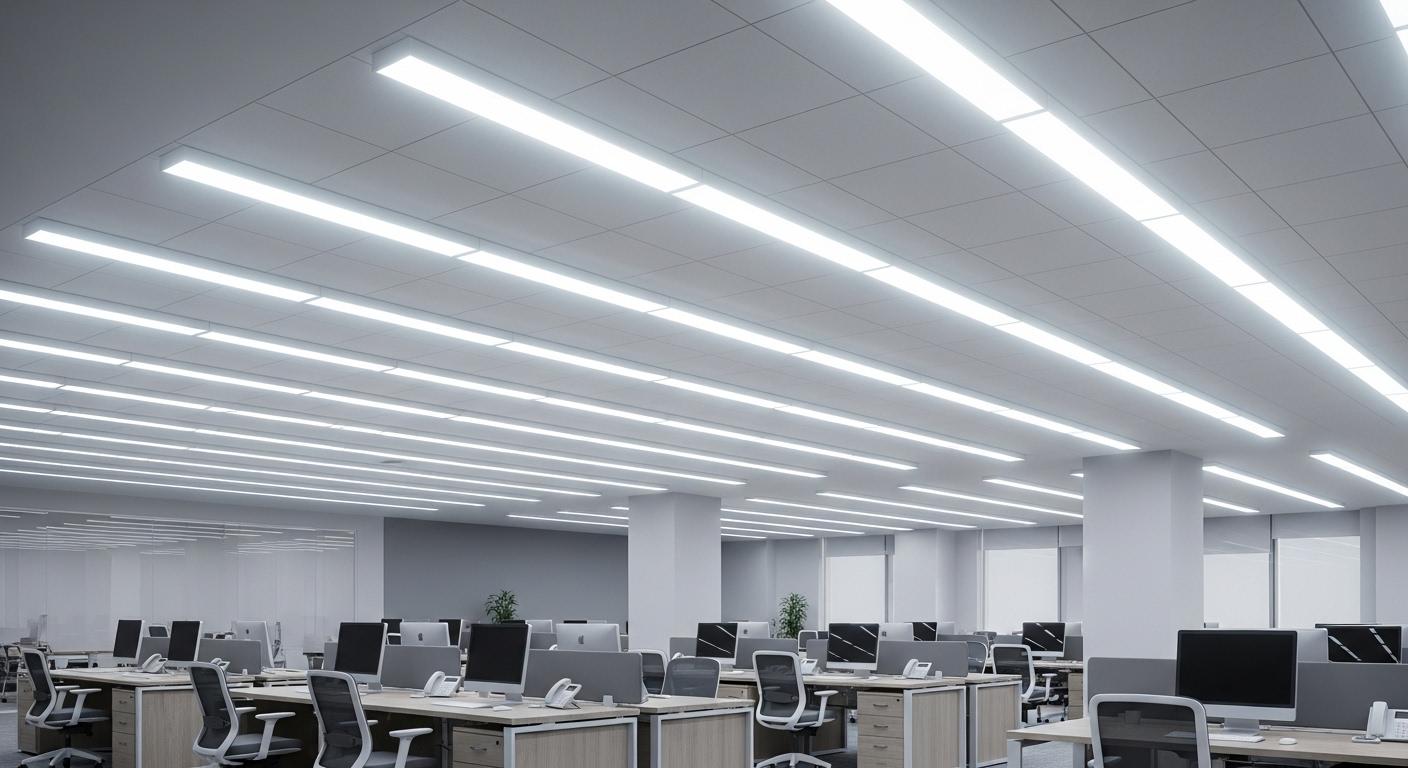
A Shoebox Light is a powerful outdoor lighting fixture designed to illuminate parking lots, roadways, commercial properties, campuses, and other large open spaces. Its compact rectangular housing resembles a shoebox, giving the fixture its name. Modern LED shoebox lights provide broad light distribution, energy efficiency, and reliable illumination for areas that require consistent visibility after dark.
Businesses, property managers, and facility operators use shoebox lighting to improve visibility across vehicle lanes, pedestrian routes, parking spaces, and building surroundings. Selecting the right fixture involves considering brightness, mounting height, beam distribution, weather resistance, and energy consumption.
What Is a Shoebox Light?
A shoebox light is an outdoor area light commonly installed on poles or mounting arms to illuminate large exterior spaces. Traditional models used high-intensity discharge lamps, while modern versions often use LED technology to deliver efficient lighting with reduced maintenance requirements.
These fixtures are widely used in commercial and municipal environments because they can cover broad areas when installed at suitable heights and spacing. Their housing is typically designed to protect internal components from environmental exposure, although the level of protection varies by model.
LED shoebox lights are available in different wattages, lumen outputs, color temperatures, and optical distributions. Some models also offer adjustable mounting options, photocells, dimming capabilities, and selectable power settings.
Common Applications of Shoebox Lights
Shoebox lighting is suitable for many outdoor locations where broad, dependable illumination is needed.
Parking Lots
Parking lots are one of the most common applications for shoebox lights. Properly positioned fixtures help illuminate parking spaces, vehicle lanes, entrances, and pedestrian areas.
Good lighting can improve visibility for drivers and pedestrians while helping people navigate parking facilities at night. Fixture placement should minimize dark areas and excessive glare.
Commercial Properties
Shopping centers, office buildings, retail complexes, and business parks often use shoebox lights to illuminate exterior grounds. Consistent lighting helps support evening operations and improves the visibility of entrances, walkways, and vehicle access points.
Roadways and Private Streets
Shoebox fixtures can illuminate private roads, internal driveways, access lanes, and selected roadway environments. The appropriate fixture and optical distribution depend on road width, pole height, spacing, and applicable lighting standards.
Schools and University Campuses
Educational facilities may use shoebox lighting in parking areas, outdoor pathways, access roads, and recreational spaces. Suitable illumination supports evening activities and helps students, employees, and visitors navigate exterior areas.
Industrial Facilities
Warehouses, distribution centers, manufacturing plants, and logistics facilities often require outdoor lighting around vehicle routes and loading areas. Shoebox lights can provide broad coverage when their output and mounting arrangements match the operational requirements.
Sports and Recreational Areas
Shoebox fixtures may be used in general parking areas and selected recreational spaces. Sports fields requiring specialized illumination may need purpose-designed sports lighting instead, depending on the activity and required light levels.
Benefits of LED Shoebox Lights
LED shoebox lights offer several advantages for commercial and outdoor lighting projects.
Energy-Efficient Performance
LED technology can produce substantial light output while using less electricity than many older lighting systems. Replacing traditional outdoor fixtures with suitable LED alternatives may help reduce energy consumption.
The actual savings depend on the existing lamps, replacement wattage, operating schedule, electricity rates, and required illumination levels.
Broad Area Coverage
Shoebox lights are designed to illuminate large outdoor spaces from elevated mounting positions. Selecting the correct optical distribution helps direct light toward parking spaces, roadways, and surrounding surfaces.
Proper fixture spacing is important because even a powerful light cannot guarantee uniform coverage if it is installed incorrectly.
Reduced Maintenance
LED shoebox lights generally have long rated lifespans compared with many traditional outdoor lamps. This can reduce the frequency of lamp replacements and help lower maintenance demands across large properties.
Performance depends on product quality, operating temperature, electrical conditions, and installation practices.
Durable Outdoor Construction
Outdoor fixtures must withstand environmental conditions such as rain, dust, temperature fluctuations, and wind exposure. Many shoebox lights use protective housings and sealed designs to support outdoor operation.
Always verify the product's ingress protection rating, temperature range, and other environmental specifications before installation.
Improved Visibility
Well-designed outdoor lighting can improve visibility around parking spaces, driveways, entrances, and pedestrian routes. Appropriate brightness and distribution help users recognize obstacles and move through the area more confidently.
Lighting design should also control glare and avoid directing excessive light toward nearby properties or road users.
Flexible Installation Options
Shoebox lights can be installed on poles, suitable brackets, or compatible mounting arms. Some models support different mounting angles to accommodate site layouts and lighting requirements.
Always confirm that the selected mounting accessories are compatible with the fixture and supporting structure.
Types of Shoebox Lights
Different shoebox light designs serve different outdoor applications.
LED Shoebox Lights
LED shoebox lights use light-emitting diodes to produce illumination efficiently. They are commonly selected for parking lots, commercial properties, and outdoor facilities because of their energy performance and range of available configurations.
Adjustable Shoebox Lights
Some fixtures allow the installer to adjust the mounting angle or select from multiple power settings. These features can help accommodate different pole positions and lighting requirements.
Check the manufacturer's specifications to confirm which adjustments are supported.
Dusk-to-Dawn Shoebox Lights
Certain models support photocells or compatible controls that switch the lights on when ambient light decreases and off when daylight returns. This can simplify operation and help avoid unnecessary daytime lighting.
Confirm whether the photocell is included, optional, or sold separately.
Area Lights with Multiple Distribution Options
Some shoebox fixtures are available with different optical distributions to suit wide parking lots, narrow driveways, or other site configurations. Choosing the correct distribution can improve coverage and help limit unwanted light spill.
Important Features to Consider Before Buying
Comparing technical specifications helps ensure that your shoebox light meets the needs of the installation.
Brightness and Lumen Output
Lumens measure the total visible light produced by a fixture. The required output depends on the area size, mounting height, pole spacing, surface conditions, and intended use.
Higher lumen output is not always the best choice. A well-designed lighting layout may achieve better coverage with several appropriately positioned fixtures.
Wattage and Energy Consumption
Wattage measures electrical power consumption. Compare it with lumen output to assess the fixture's efficiency.
Consider the number of fixtures and their expected operating hours when estimating total energy use. For larger properties, even modest improvements in efficiency can affect long-term operating costs.
Color Temperature
Color temperature affects the appearance of the emitted light.
-
3000K: Produces a warm white appearance that may suit selected commercial properties and residential surroundings.
-
4000K: Provides neutral white light suitable for many general outdoor applications.
-
5000K: Creates a cooler white appearance commonly selected for parking facilities and commercial areas.
The best option depends on visibility needs, local requirements, surrounding properties, and the preferred appearance of the site.
Light Distribution
Optical distribution determines how the fixture spreads light across the ground. Different distributions can be suitable for wide parking areas, narrow lanes, or other site layouts.
Review photometric information where available. This can help determine the number of fixtures, mounting positions, and spacing needed to achieve the desired illumination.
Weather Resistance
Shoebox lights operate outdoors and must be suitable for the local environment. Review the ingress protection rating, temperature limits, corrosion resistance, and housing materials.
Properties near coastal environments or industrial facilities may need additional attention to corrosion protection.
Mounting Height and Compatibility
The mounting height affects the area covered by each fixture and the light level reaching the ground. Check the pole dimensions, mounting bracket, fixture weight, and wind-loading requirements.
The supporting pole and mounting hardware must be suitable for the installed equipment and local conditions.
Smart Controls and Dimming
Some LED shoebox lights support photocells, motion sensors, dimming, or other lighting controls. These options may help reduce energy use when full illumination is unnecessary.
Verify compatibility between the fixture, driver, control device, and electrical system before purchasing.
How to Choose the Right Shoebox Light
Follow these steps to select a suitable fixture for your property.
-
Measure the area. Determine the dimensions of the parking lot, roadway, or outdoor space.
-
Identify the lighting requirements. Consider vehicle movement, pedestrian traffic, security needs, and the activities performed after dark.
-
Choose the mounting height. Review pole height and spacing because they affect light coverage and uniformity.
-
Compare lumen output and wattage. Evaluate both brightness and energy consumption rather than choosing by wattage alone.
-
Select the optical distribution. Match the fixture's light pattern to the shape and layout of the site.
-
Check outdoor ratings. Confirm that the housing and electrical components are suitable for expected environmental conditions.
-
Review controls and accessories. Check mounting arms, photocells, dimming features, and other components needed for installation.
-
Calculate long-term costs. Consider purchase price, electricity use, maintenance requirements, warranty terms, and rated service life.
For large parking facilities and commercial developments, a photometric lighting plan can help optimize fixture placement and reduce unnecessary light spill.
Shoebox Light Installation and Maintenance
Proper installation helps shoebox lights perform reliably throughout their intended service life. Before installation, verify the electrical supply, mounting compatibility, pole condition, and manufacturer's instructions.
A qualified electrician should complete electrical connections according to applicable codes. Mounting hardware must be securely installed, and the structure must safely support the fixture under expected environmental conditions.
After installation, assess the lighting at night. Check for dark areas, uneven brightness, excessive glare, and light spilling into neighboring properties. Adjust fixture positions or select different optical distributions where necessary.
Routine maintenance should include inspecting the housing, cleaning the lens, checking mounting hardware, and examining electrical components for visible damage. Follow the manufacturer's service recommendations and isolate power safely before maintenance.
Why Shoebox Lights Are Useful for Commercial Properties
Commercial properties often operate during early mornings, evenings, and overnight hours. Reliable outdoor lighting helps employees, customers, drivers, and visitors navigate parking areas and access routes.
LED shoebox lights offer a practical way to illuminate large exterior spaces while managing energy use and maintenance requirements. Their effectiveness depends on selecting appropriate fixtures, planning pole locations, and maintaining suitable light levels.
For property owners upgrading an existing system, reviewing the current lighting layout before replacing fixtures can help identify areas with poor coverage or unnecessary brightness.
Conclusion
Shoebox lights are a versatile outdoor lighting solution for parking lots, commercial properties, private roads, campuses, and industrial facilities. LED models combine efficient operation with flexible mounting options and a range of brightness and distribution choices.
Before purchasing a shoebox light, compare lumen output, wattage, color temperature, optical distribution, weather resistance, and mounting compatibility. A carefully planned installation can improve outdoor visibility, reduce unnecessary energy consumption, and support dependable lighting across large areas.

 English
 Arabic
 French
 Spanish
 Portuguese
 Deutsch
 Turkish
 Dutch
 Italiano
 Romaian
 Portuguese (Brazil)
 Greek
