


 About Urh Social
 Terms of Service
 سياسة الخصوصية
 Contact
What makes a High-Quality Gas Tight Door?
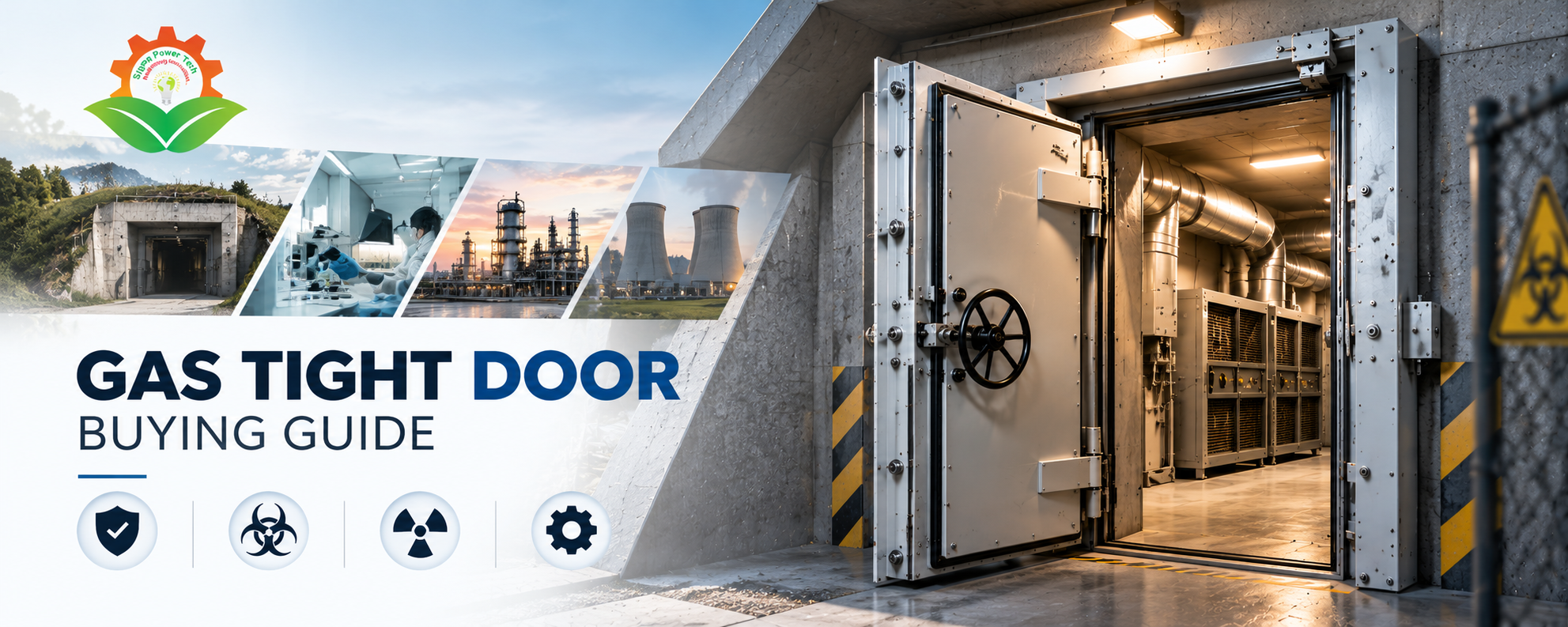
During the commissioning of a high-security biological containment laboratory, engineers carried out a final airtightness test before operations could begin. Although the ventilation and CBRN filtration systems were functioning correctly, the entrance door failed to maintain the required pressure differential because of poor gasket compression and an improperly engineered frame. Replacing it with a certified gas tight door immediately restored airtight integrity and allowed the facility to pass regulatory inspections. The incident demonstrated that the quality of a gas tight door directly influences the safety and reliability of every critical facility.
A gas tight door is more than a reinforced steel entrance. It is a precision-engineered safety barrier that prevents hazardous gases, airborne contaminants, radioactive particles, and toxic chemicals from moving between controlled and uncontrolled environments. Whether installed in CBRN shelters, defence bunkers, nuclear plants, pharmaceutical laboratories, or chemical processing facilities, a high-quality gas tight door provides dependable containment, pressure control, and long-term operational reliability.
What Defines a High-Quality Gas Tight Door?
Not every industrial door marketed as airtight delivers true gas-tight performance.
A high-quality gas tight door is designed, manufactured, tested, and installed to maintain airtight sealing under specified pressure conditions while integrating seamlessly with other life-safety systems. Its performance depends on precision engineering rather than simply using thicker steel or heavier hardware.
Experienced Gas tight door manufacturers in India focus on engineering accuracy, certified testing, and long-term durability rather than only structural strength.
Engineering Features That Matter
The effectiveness of a gas tight door begins with its construction.
Key engineering components include:
- Reinforced steel door leaf
- Precision-machined steel frame
- Continuous compression gasket seals
- Multi-point locking mechanisms
- Pressure-rated hinges
- Corrosion-resistant protective coatings
- Replaceable sealing components
A professionally engineered Gas tight door design distributes compression evenly around the door perimeter, creating a consistent airtight seal that withstands repeated opening and closing cycles without reducing performance.
Pressure Control and Leakage Performance
One of the most important indicators of quality is the ability to maintain pressure-controlled environments.
Positive-pressure facilities prevent contaminated outside air from entering occupied areas, while negative-pressure environments safely contain hazardous biological or chemical agents.
A Gas tight door for CBRN shelters must reliably support these pressure differentials throughout its operational life.
Manufacturers verify this capability through leakage-rate testing, pressure retention testing, and operational performance evaluations before the product is commissioned.
Correct frame anchoring and wall integration are equally important because structural movement or installation errors can compromise even the highest-quality door.
Compatibility with Integrated Safety Systems
High-quality gas tight doors are engineered as part of a complete protection strategy.
They should integrate seamlessly with:
- Blast-resistant structures
- Fire-rated compartmentation
- CBRN filtration systems
- HVAC pressure management
- Emergency ventilation systems
- Electronic access control
- Security monitoring infrastructure
The Sigma Power Tech gas tight door is designed to operate within integrated safety systems where airtight containment, structural protection, and controlled access work together to enhance overall facility resilience.
Key Features of a High-Quality Gas Tight Door
When evaluating products, buyers should look for:
- High-performance airtight sealing
- Reinforced structural strength
- Corrosion-resistant construction
- Reliable pressure differential capability
- Compatibility with blast and fire protection systems
- Security-grade locking mechanisms
- Heavy-duty operational durability
- Low maintenance requirements
- Compliance with recognized certification standards
These characteristics help ensure dependable long-term performance in hazardous environments.
Applications That Demand High-Quality Doors
Facilities requiring dependable containment cannot rely on ordinary industrial doors.
Typical applications include:
- CBRN shelters and civil defence bunkers
- Military command centers
- Biological containment laboratories
- Pharmaceutical manufacturing facilities
- Chemical research laboratories
- Chemical and petrochemical plants
- Nuclear facilities
- Underground infrastructure
- Hazardous material storage units
An Airtight door for hazardous facilities should always be evaluated to confirm it meets certified gas-tight performance requirements rather than basic air-sealing capabilities.
Cost and Investment Factors
The Gas tight door price depends on engineering quality rather than door size alone.
Several factors influence overall investment:
- Required sealing and leakage-rate classification
- Door dimensions and configuration
- Material grade and plate thickness
- Reinforced frame engineering
- Factory testing and certification
- Integration with filtration and pressure systems
- Automation and electronic locking systems
- Installation complexity
- Site-specific engineering assessments
- Long-term maintenance planning
Although premium products may involve higher initial costs, they generally deliver superior lifecycle value through greater reliability, lower maintenance, and extended service life.
Buyer's Guide
Selecting a trusted manufacturer is essential for achieving dependable long-term performance.
Before purchasing, evaluate suppliers based on:
- Proven experience in critical infrastructure projects
- Engineering and testing expertise
- Compliance with IS/BIS requirements and internationally recognized airtightness and CBRN standards
- Customization capability
- Precision manufacturing processes
- Comprehensive technical documentation
- Professional installation services
- Preventive maintenance support
- Reliable project references
Choosing a Sigma Power Tech manufacturer and service provider helps ensure consistent engineering quality from project design through installation and ongoing maintenance.
Common Mistakes to Avoid
Even high-quality products can fail if key engineering principles are overlooked.
Avoid these common mistakes:
- Choosing products based only on purchase price
- Ignoring project-specific pressure and leakage requirements
- Incorrect frame anchoring and wall integration
- Underestimating corrosion or fire exposure
- Skipping certification verification
- Neglecting gasket inspection and maintenance
- Overlooking compatibility with filtration and CBRN systems
Addressing these factors during project planning significantly improves long-term performance.
Conclusion
A gas tight door is considered high quality when it combines precision engineering, certified airtight performance, structural durability, and seamless integration with blast, fire, and CBRN protection systems. Reinforced construction, reliable pressure control, advanced locking mechanisms, corrosion resistance, and professional installation all contribute to dependable long-term operation. Rather than selecting a product based solely on the Gas tight door price, organizations should prioritize certified engineering, proper sealing classifications, comprehensive testing, and preventive maintenance. A high-quality gas tight door delivers lasting airtight reliability, regulatory compliance, and dependable protection for CBRN shelters, nuclear facilities, defence infrastructure, pharmaceutical laboratories, and other critical industrial environments.

 English
 French
 Spanish
 Portuguese
 Deutsch
 Turkish
 Dutch
 Italiano
 Russian
 Romaian
 Portuguese (Brazil)
 Greek
