


 About Urh Social
 Terms of Service
 Политика конфиденциальности
 Contact
Homeowners Insurance Inspection Checklist: 2026 Florida Guide
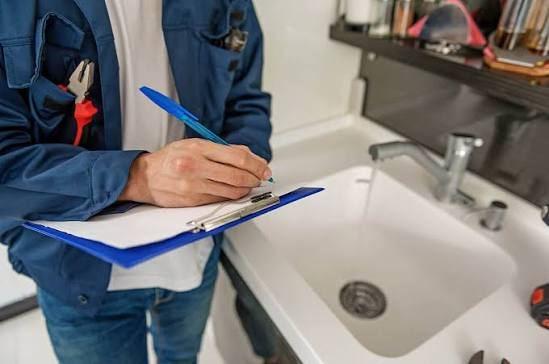
Getting homeowners insurance in Florida can involve more than completing an application. Depending on the property, insurer, and coverage being requested, homeowners may need to provide inspection reports that document the home's condition and help the insurer evaluate potential risks.
A practical homeowners insurance inspection checklist can help you identify maintenance concerns, organize important records, and prepare for the inspection process. Whether you're buying a home, renewing a policy, or looking for potential wind mitigation credits, understanding what inspectors may examine can make the process less stressful.
What Is a Homeowners Insurance Inspection?
A homeowners insurance inspection helps an insurance company evaluate a property's condition and certain risks before issuing or renewing coverage. The insurer may arrange its own inspection or request reports from qualified inspection professionals.
The inspection requirements vary. Some insurers may request a general property assessment, while others may require a specialized roof inspection, a four-point inspection, or a wind mitigation inspection.
A four-point inspection typically focuses on four major systems: the roof, electrical, plumbing, and heating, ventilation, and air conditioning (HVAC). A wind mitigation inspection, by contrast, documents specific construction features designed to help reduce windstorm damage.
These inspections serve different purposes, so homeowners should confirm which reports their insurance company requires before scheduling an appointment.
Homeowners Insurance Inspection Checklist: What to Review
Before your inspection, walk through your property and look for visible maintenance issues. This checklist can help you prepare, although the inspector's actual scope will depend on the type of inspection requested.
1. Roof Condition and Age
The roof is a major consideration in Florida because it is exposed to intense sunlight, heavy rain, tropical storms, and strong winds.
Review the following items:
-
Approximate roof installation date and age.
-
Visible missing, damaged, or deteriorated roofing materials.
-
Signs of leaks, ceiling stains, or water intrusion.
-
Damaged flashing around vents, chimneys, and other roof penetrations.
-
Records of roof repairs, replacement, or maintenance.
-
Available permits, invoices, and roofing documentation.
Avoid climbing onto the roof to inspect it yourself. If you notice damage from the ground or suspect a leak, arrange an appropriate professional evaluation.
Your insurer may also ask about the roof's remaining useful life. If the roof is aging or showing significant deterioration, ask the insurer whether a specialized roof inspection or additional documentation is necessary.
2. Electrical System
Electrical defects can present safety risks and may affect an insurer's underwriting decision. A four-point inspection commonly includes an evaluation of visible electrical components and their apparent condition.
Check for obvious concerns such as:
-
Damaged outlets, switches, or visible wiring.
-
Missing electrical panel covers or other apparent safety defects.
-
Signs of overheating, scorching, or burning odors.
-
Exposed conductors or damaged electrical equipment.
-
Records of electrical repairs or upgrades.
Do not remove electrical panel covers or attempt repairs unless you are qualified to do so. If you notice unusual heat, burning smells, sparks, or other potentially dangerous conditions, seek help from a qualified electrician promptly.
3. Plumbing System
Plumbing leaks can damage building materials and contribute to moisture problems. Inspectors may evaluate accessible plumbing components, visible supply lines, fixtures, and signs of leakage.
Before the appointment, look for:
-
Dripping faucets or leaking fixtures.
-
Water stains beneath sinks and around plumbing connections.
-
Corrosion on visible pipes or fittings.
-
Signs of previous or active water damage.
-
Slow drains or other recurring plumbing problems.
-
Available records of repiping or plumbing repairs.
Repair active leaks where practical and retain documentation for completed work. If water damage has affected walls, flooring, or cabinets, consider whether additional investigation is needed to determine the source and extent of the problem.
4. Heating, Ventilation, and Air Conditioning
Florida homeowners rely heavily on air conditioning, particularly during hot and humid months. The HVAC system's visible condition and operation may therefore be important during an insurance inspection.
Review these items:
-
Whether the system operates normally.
-
Approximate equipment age and available service records.
-
Visible damage to accessible equipment.
-
Evidence of water leakage around the air handler or condensate drain.
-
Condition of accessible condensate drainage components.
-
Signs of poor maintenance or unusual operation.
Replace or clean filters according to the manufacturer's recommendations. If the system is not cooling properly, leaking, or making unusual noises, arrange an HVAC service appointment before the insurance inspection when possible.
Wind Mitigation Inspection Checklist for Florida Homeowners
A wind mitigation inspection evaluates certain construction features that may reduce windstorm damage. Depending on the property's features and the insurer's requirements, the report may help determine eligibility for applicable insurance premium credits.
Common areas of evaluation include:
-
Roof covering and qualifying roof characteristics.
-
Roof deck attachment.
-
Roof-to-wall connections.
-
Roof geometry.
-
Secondary water resistance, where applicable.
-
Opening protection, including qualifying impact-resistant features.
-
Other construction characteristics identified on the applicable inspection form.
Homeowners should gather available permits, product approvals, roof replacement records, and documentation of qualifying upgrades. However, do not assume that a feature qualifies for a credit simply because it looks reinforced or was described as storm-resistant when installed.
Important 2026 update: Florida's revised Uniform Mitigation Verification Inspection Form, OIR-B1-1802 (Rev. 04/26), is required for wind mitigation inspections performed on or after April 1, 2026. Confirm that your inspector uses the applicable current form and follows the required documentation procedures.
A completed wind mitigation form can generally remain valid for up to five years, provided no material changes have been made to the structure and no inaccuracies are found. Ask your insurer whether your existing report is acceptable.
Documents to Prepare Before the Inspection
Having records available can help answer questions about the property's age, maintenance history, and improvements.
Use this document checklist:
-
Roof replacement invoices and permits, if available.
-
Electrical upgrade or repair records.
-
Plumbing repair and repiping documentation.
-
HVAC installation and maintenance records.
-
Wind mitigation reports and supporting documents.
-
Relevant permits and product approvals.
-
Previous inspection reports, if available.
-
Documentation of completed repairs related to earlier findings.
Not every insurer requires every document. Contact your insurance agent or company to confirm the specific information needed for your property.
Common Issues That Can Delay Insurance Approval
An inspection finding does not automatically mean an insurer will deny coverage. However, certain conditions may lead to additional documentation requests, repair requirements, or further evaluation.
Examples include an aging or deteriorated roof, visible electrical safety concerns, active plumbing leaks, an HVAC system in poor condition, and evidence of unresolved water intrusion.
If an inspector identifies a concern, ask what documentation or corrective action the insurer requires. A qualified contractor may need to evaluate the issue and provide a repair estimate, invoice, or other supporting records.
Avoid making assumptions about eligibility based solely on an inspection report. Insurance companies make underwriting and coverage decisions according to their policies, applicable requirements, and assessment of the property.
When Should You Schedule a Homeowners Insurance Inspection?
You may need an inspection when purchasing a home, applying for a new policy, renewing coverage, documenting recent improvements, or exploring eligibility for wind mitigation credits.
In Florida, it is particularly helpful to understand your insurer's requirements before a closing date or policy deadline. Scheduling early allows more time to address problems that may require specialist evaluation or repairs.
Guardian Angel Inspections provides property inspection services in Central and South Florida, including insurance-related inspections. Homeowners can confirm which inspection service matches their insurer's requirements before scheduling.
Conclusion
A well-organized homeowners insurance inspection checklist helps Florida homeowners prepare for the inspection process, recognize potential maintenance concerns, and gather useful property records.
Start with the roof, electrical system, plumbing, and HVAC equipment if your insurer requests a four-point inspection. If you are pursuing wind mitigation credits, review the property's qualifying construction features and ensure the correct documentation is available.
Most importantly, confirm your insurance company's specific requirements before the appointment. Preparing early and addressing known problems can help reduce avoidable delays and give you a clearer understanding of your property's condition.

 English
 Arabic
 French
 Spanish
 Portuguese
 Deutsch
 Turkish
 Dutch
 Italiano
 Romaian
 Portuguese (Brazil)
 Greek
