


 About Urh Social
 Terms of Service
 Datenschutzbestimmungen
 Contact
Termite Proofing: Protecting a Home Before Damage Starts
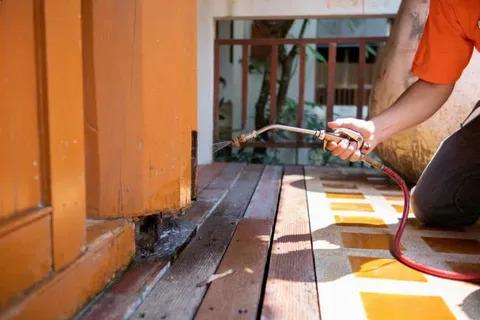
Most pest problems announce themselves. Termites do not. They enter quietly, feed on wood and cellulose, and often remain undetected until structural damage becomes visible. That is why a planned Termite proofing service in lahore is often more about prevention than repair.
Proofing vs. Treatment: What's the Difference?
Treatment addresses an existing infestation. Proofing is preventive — it creates a barrier or conditions that make it difficult for termites to establish themselves in the first place.
For a new build, proofing is typically done during construction, when soil treatment and foundation work can be carried out before the structure closes up. For existing homes, proofing focuses on creating protective barriers around the perimeter, treating vulnerable timber, and correcting conditions that attract termites.
Why Homes Are Vulnerable
Certain conditions make a property more attractive to termites:
-
Wood in direct contact with soil
-
Damp areas and poor drainage
-
Cracks in foundations or walls
-
Stored timber, firewood, or cardboard near the building
-
Leaking pipes or moisture trapped under floors
-
Dense vegetation close to external walls
Proofing services usually address these alongside the protective barrier itself, because a barrier without moisture control is less effective over time.
What a Home Termite Proofing Service Typically Includes
A professional proofing visit generally starts with an assessment of the property — construction type, soil conditions, drainage, and existing timber. From there, the approach is tailored.
Common elements include:
-
Pre-construction or post-construction soil treatment
-
Application of termiticides along foundations and entry points
-
Treatment of timber in contact with masonry
-
Sealing visible cracks and gaps
-
Advice on reducing moisture and removing attractants
The specific method depends on the property's age, structure, and the termite species present in the area.
Timing Makes a Difference
For new construction, proofing during the foundation stage is significantly more effective and less expensive than retrofitting protection later. For older homes, the best time to proof is before signs of activity appear — though proofing can still be carried out after an inspection confirms the property is clear.
What to Ask a Provider
-
Whether the service includes a pre-proofing inspection
-
Which termiticide or barrier method will be used
-
How long the protection is expected to last
-
Whether a warranty or follow-up inspection is included
-
What safety precautions apply for children and pets
Clear answers to these questions indicate a provider that understands the work rather than one selling a quick spray.
Final Thoughts
Termite proofing is a small investment compared to the cost of repairing damaged woodwork, flooring, or structural framing. For homeowners planning a build or protecting an existing property, a professional assessment is the sensible starting point. Readers who enjoy connecting with others and sharing updates online can also explore Urh Social.

 English
 Arabic
 French
 Spanish
 Portuguese
 Turkish
 Dutch
Dutch
 Italiano
 Russian
 Romaian
 Portuguese (Brazil)
 Greek
Greek
