


 About Urh Social
 Terms of Service
 Политика конфиденциальности
 Contact
What is a Blast Pipe Exhaust and How Does It Work?
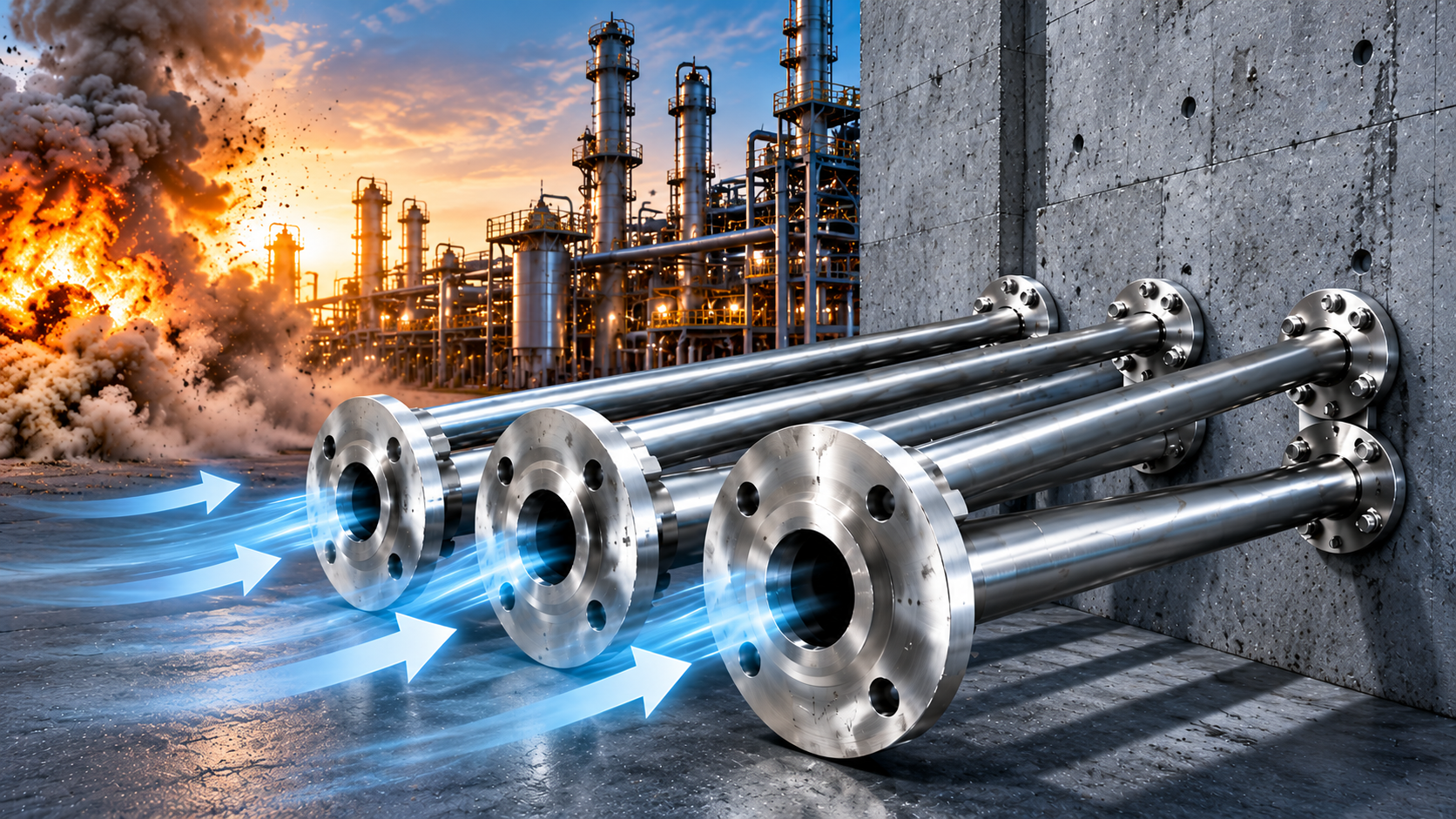
A military command bunker is designed to continue operating during an explosion or external attack. While blast-resistant walls and reinforced doors provide physical protection, the ventilation system must also remain secure to keep personnel safe. This is where a Blast Pipe and its associated blast pipe exhaust system become essential. Together, they allow controlled airflow through protected structures while preventing ventilation openings from becoming weak points during blast events. In high-risk facilities, these engineered components play a critical role in maintaining both structural integrity and operational continuity.
What is a Blast Pipe?
A Blast Pipe is a specially engineered ventilation component designed to pass through blast-resistant walls without compromising their protective performance. Unlike conventional industrial pipes, it is built to withstand explosion pressure while supporting the safe movement of air into and out of protected spaces.
A Blast Resistant Pipe is specifically designed to strengthen duct penetrations, distribute blast loads across reinforced walls, and minimize structural damage during high-pressure events. Instead of becoming a vulnerable opening, the ventilation penetration becomes an engineered part of the overall blast protection system.
What Is a Blast Pipe Exhaust?
A blast pipe exhaust is the protected exhaust section of a blast-resistant ventilation system that safely releases air from secure facilities while maintaining the integrity of the blast-resistant structure.
In protected environments such as bunkers, defense installations, chemical plants, and power stations, ventilation cannot simply discharge through conventional ducts. The exhaust pathway must resist blast pressure, preserve structural strength, and remain compatible with other protective ventilation components.
The blast pipe exhaust works alongside the blast pipe to provide controlled airflow without weakening the protective envelope of the building.
How Does a Blast Pipe Exhaust Work?
During normal operation, the blast pipe exhaust allows stale or contaminated air to leave the protected facility while supporting efficient ventilation.
During an explosion, however, the system performs a much more demanding role.
As the blast wave reaches the ventilation penetration, the reinforced blast pipe absorbs and distributes the resulting pressure loads rather than transferring excessive forces into the surrounding wall. This engineered load distribution helps preserve structural integrity while protecting the ventilation pathway.
When integrated with blast valves and gas-tight components, the exhaust system also helps prevent harmful pressure waves and contaminants from entering protected areas.
Engineering Features That Improve Safety
The performance of a blast pipe exhaust depends on robust engineering and high-quality manufacturing.
Key features include:
- Reinforced steel construction
- High resistance to blast overpressure
- Optimized wall thickness
- Excellent structural durability
- Corrosion-resistant protective coatings
- Precision fabrication for accurate installation
The Sigma Power Tech Blast Pipe is engineered with these characteristics to provide reliable performance across demanding industrial and defense applications where safety and long-term reliability are essential.
Integration with Complete Ventilation Protection Systems
A blast pipe exhaust is only one component of a comprehensive protective ventilation system.
For maximum effectiveness, it works together with:
- Blast valves that block incoming blast pressure
- Gas-tight valves that maintain sealed environments
- CBRN and NBC filtration systems that remove hazardous airborne contaminants
- Emergency ventilation controls
- Reinforced blast pipe assemblies that protect wall penetrations
When these components are properly integrated, the ventilation system supports both air quality and structural protection during normal operations and emergency situations.
Where Blast Pipe Exhaust Systems Are Used
Blast pipe exhaust systems are commonly installed wherever secure ventilation is required.
Typical applications include:
- Defense and military facilities
- Underground shelters and bunkers
- Nuclear and thermal power stations
- Chemical processing plants
- Oil and gas refineries
- Critical government infrastructure
- Industrial manufacturing facilities
- High-security research laboratories
These facilities require ventilation systems capable of operating safely even when exposed to extreme pressure events.
Factors That Affect Blast Pipe Pricing
The cost of a blast pipe or blast pipe exhaust system depends on several engineering and manufacturing factors.
These include:
- Steel grade and material quality
- Pipe diameter and overall dimensions
- Wall thickness
- Required blast pressure rating
- Protective surface coatings
- Product certification and testing
- Custom engineering requirements
- Integration with complete ventilation systems
Selecting products based solely on initial price can lead to higher maintenance costs and reduced long-term reliability.
Choosing Reliable Blast Pipe Manufacturers in India
Working with experienced Blast Pipe Manufacturers in India helps ensure reliable performance and long-term safety.
A qualified manufacturer should offer:
- Expertise in blast protection engineering
- Custom design capabilities
- Strict quality-controlled manufacturing
- Technical consultation during project planning
- Engineering documentation and testing
- Integration with complete blast-resistant ventilation systems
- Responsive after-sales support
Manufacturers experienced in defense and critical infrastructure projects understand the complex engineering requirements associated with blast-resistant ventilation.
Common Mistakes to Avoid
Several mistakes can reduce the effectiveness of blast-resistant ventilation systems.
These include:
- Using standard industrial pipes instead of engineered blast-resistant components
- Ignoring compatibility with blast valves and filtration systems
- Comparing suppliers only on purchase price
- Overlooking structural wall penetration requirements
- Selecting products without technical certification
- Failing to plan for future maintenance and inspection
Avoiding these issues improves both system reliability and long-term facility protection.
Strengthen Your Ventilation Safety
Now is the ideal time to review your facility's ventilation safety setup and confirm that every blast pipe and exhaust penetration is properly engineered.
If your infrastructure is expanding or being modernized, consider upgrading your blast protection systems to improve resilience against evolving operational risks.
Engineers and facility managers can also explore more safety insights to stay informed about the latest developments in blast-resistant ventilation technology.
Conclusion
A blast pipe exhaust is much more than an outlet for ventilation. It is a critical part of a blast-resistant ventilation system that protects duct penetrations, distributes explosion loads, and helps preserve the structural integrity of secure facilities during extreme events. When combined with blast valves, gas-tight valves, filtration systems, and a properly engineered Blast Resistant Pipe, it creates a comprehensive solution for protected airflow.
Whether used in military installations, underground bunkers, chemical plants, power stations, refineries, or other critical infrastructure, investing in high-quality solutions from experienced Blast Pipe Manufacturers in India is essential. By choosing proven products such as the Sigma Power Tech Blast Pipe, organizations can build safer, more resilient ventilation systems that continue protecting people and operations when it matters most.

 English
 Arabic
 French
 Spanish
 Portuguese
 Deutsch
 Turkish
 Dutch
Dutch
 Italiano
 Romaian
 Portuguese (Brazil)
 Greek
Greek
