


 About Urh Social
 Terms of Service
 Política de privacidade
 Contact
Simulated Diamond Rings: A Complete Guide to Styles, Quality, and Buying Tips
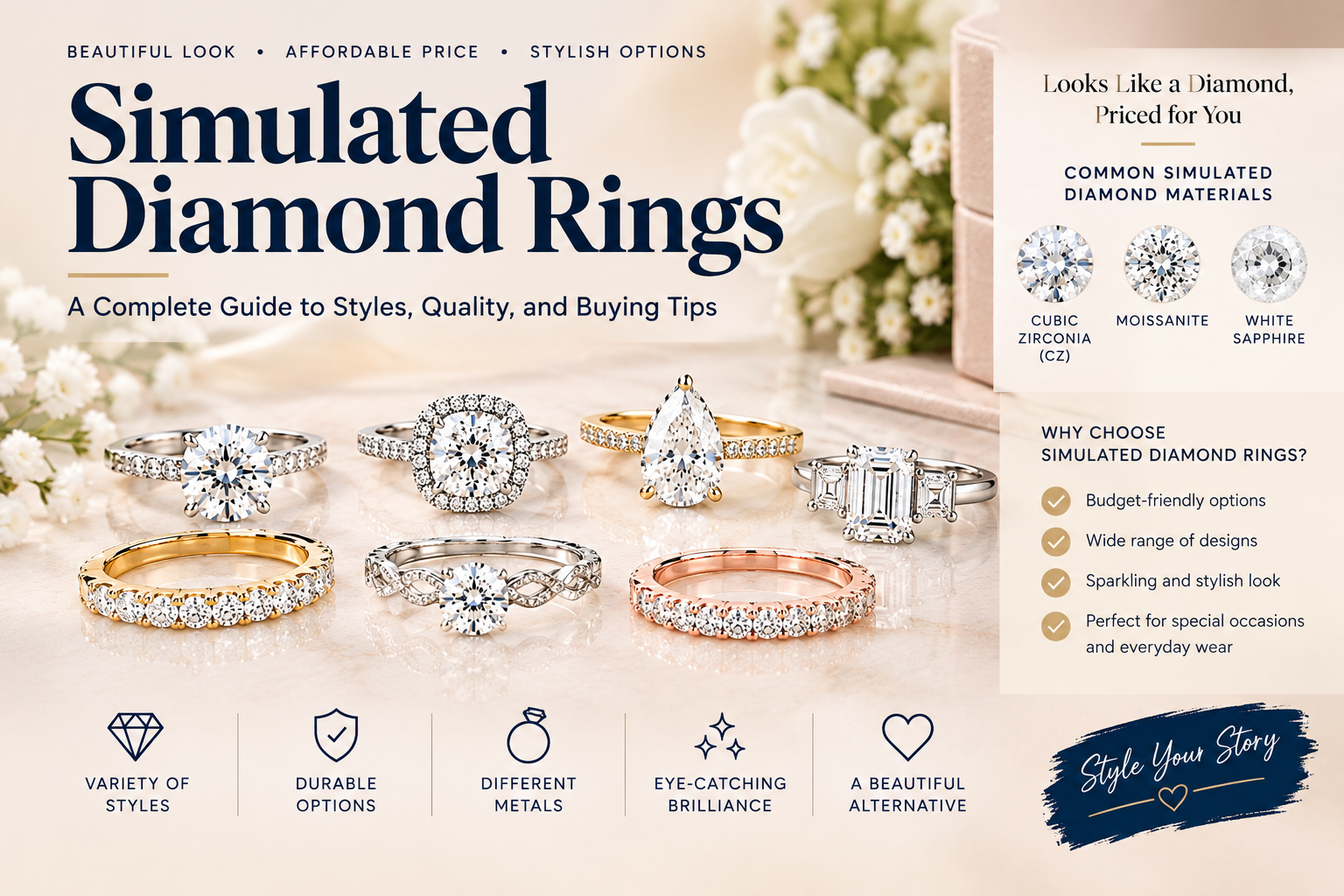
Simulated diamond rings are a popular choice for people who want the sparkling appearance of diamond jewellery at a potentially more affordable price. These rings feature diamond simulants, which are materials designed to resemble the look of natural diamonds. Common options include cubic zirconia, moissanite, and certain other gemstones or synthetic materials. Although simulated diamonds can look beautiful, they do not have the same composition and properties as genuine natural or lab grown diamonds. Understanding the differences, available styles, materials, and care requirements can help you choose a ring that suits your preferences and budget.
What Are Simulated Diamond Rings?
Simulated diamond rings feature stones designed to imitate the appearance of diamonds. Unlike natural and lab grown diamonds, diamond simulants have different chemical compositions and physical properties.
Some common diamond simulants include:
-
Cubic zirconia (CZ): A popular synthetic material known for its clear appearance and affordability.
-
Moissanite: A gemstone with strong brilliance and fire that is often used as a diamond alternative.
-
White sapphire: A natural or laboratory-grown gemstone that offers a different appearance from diamond.
-
Glass and crystal: Materials sometimes used in costume jewellery to create a diamond-like effect.
These materials differ in hardness, brilliance, durability, and price. When buying a ring, check the stone's exact identity rather than assuming that every diamond-look stone is the same.
Why Choose Simulated Diamond Rings?
Simulated diamond rings appeal to buyers who want attractive jewellery without the cost of a comparable diamond ring. They also offer flexibility in terms of design, size, and everyday styling.
1. Budget-Friendly Jewellery
Many simulated diamond rings are less expensive than rings featuring natural or lab grown diamonds. This can make them appealing to buyers who want a decorative ring for a special occasion or everyday wear.
Potential benefits include:
-
Exploring larger-looking centre stones for a lower price.
-
Choosing more elaborate settings within a set budget.
-
Buying multiple rings for different occasions.
-
Experimenting with different shapes and jewellery styles.
Prices vary depending on the simulant, metal, craftsmanship, and brand.
2. A Wide Range of Designs
Simulated stones can be used in many different ring designs, including solitaire, halo, vintage-inspired, and statement styles.
Popular stone shapes include round, oval, princess, pear, emerald, and cushion cuts. This variety makes it easier to find a design that matches your personal style.
3. An Alternative to Diamond Jewellery
Some buyers prefer simulated diamond rings because they want the visual effect of a diamond without purchasing a genuine diamond.
These rings can be suitable for fashion jewellery, occasional wear, gifts, and buyers who prioritise appearance and affordability over owning a natural or lab grown diamond.
4. Options for Different Occasions
Simulated diamond rings are available in simple and decorative designs, making them suitable for birthdays, anniversaries, parties, promise rings, and other special occasions.
If you intend to wear a ring daily, consider the stone's durability and the quality of its setting before purchasing.
What Are the Different Types of Simulated Diamond Rings?
The type of stone and the setting both affect the ring's appearance, durability, and maintenance requirements.
1. Cubic Zirconia Rings
Cubic zirconia rings are among the most widely available diamond-look jewellery options. Cubic zirconia is a synthetic material that can be cut and polished to resemble a diamond.
These rings are often affordable and available in many designs. However, cubic zirconia is softer than diamond and can develop scratches or lose some of its original appearance with prolonged wear.
CZ rings are a practical option for fashion jewellery and occasional use.
2. Moissanite Rings
Moissanite is a popular diamond alternative known for its brilliance and noticeable fire. It is generally more durable than cubic zirconia and is suitable for many types of jewellery.
However, moissanite is not a diamond. Its optical properties differ, and some people notice more colourful flashes of light compared with a diamond.
Moissanite rings may be suitable for buyers who want a durable, sparkling alternative to traditional diamond jewellery.
3. White Sapphire Rings
White sapphire is a colourless variety of sapphire used in some diamond-alternative rings. It generally has a softer sparkle than diamond or moissanite.
White sapphire rings can suit people who prefer a more understated appearance. As with any gemstone, the individual stone's clarity, cut, and quality influence its overall look.
4. Simulated Solitaire Rings
Solitaire rings feature a single centre stone, creating a clean and classic appearance.
A simulated solitaire ring can provide the look of a traditional engagement ring at a lower price. Round, oval, and princess-shaped stones are common options.
5. Simulated Halo Rings
Halo rings surround the centre stone with smaller accent stones. This creates additional sparkle and can make the centre stone appear larger.
Halo settings are suitable for people who prefer decorative jewellery. However, rings with multiple small stones may require more cleaning and periodic inspection.
6. Vintage-Inspired Simulated Rings
Vintage-inspired rings may feature engraved bands, milgrain edges, decorative prongs, or intricate metalwork.
These designs suit buyers who appreciate traditional jewellery details. Check the quality of the setting and the security of the stones, particularly if the ring will be worn regularly.
How Do Simulated Diamonds Compare with Real Diamonds?
Understanding the difference between simulated stones and genuine diamonds is important when choosing a ring.
| Feature | Simulated Diamonds | Natural Diamonds | Lab Grown Diamonds |
|---|---|---|---|
| Composition | Depends on the material | Carbon crystal | Carbon crystal |
| Origin | Natural gemstone or manufactured material, depending on the simulant | Formed naturally underground | Grown in a laboratory |
| Appearance | Designed to resemble diamond | Genuine diamond appearance | Genuine diamond appearance |
| Hardness | Varies by material | 10 on Mohs scale | 10 on Mohs scale |
| Typical price | Often lower | Often higher | Often lower than comparable natural diamonds |
| Diamond identity | Not a diamond | Genuine diamond | Genuine diamond |
The term simulated diamond describes a stone's appearance, not a single specific material. Always confirm whether the stone is cubic zirconia, moissanite, white sapphire, or another material.
How Do You Choose a High-Quality Simulated Diamond Ring?
Although simulated stones are not graded exactly like diamonds, several features can help you assess their appearance and quality.
What Should You Look for in a Stone?
Consider these factors when comparing simulated diamond rings:
-
Cut quality: A well-cut stone can look brighter and more balanced.
-
Clarity: Check for visible marks, cloudiness, or imperfections.
-
Colour: Decide whether you prefer a colourless appearance or a gemstone with a slight tint.
-
Size: Compare the stone's actual dimensions rather than relying only on a carat-equivalent description.
-
Consistency: For rings with several stones, check that the stones match in colour and appearance.
-
Finishing: Look for clean edges, an even polish, and secure placement in the setting.
Remember that a stone's carat-equivalent size may describe its visual comparison with a diamond rather than its actual weight.
Which Stone Shape Should You Choose?
Different shapes create different visual effects.
-
Round: A classic shape that offers a familiar diamond-like appearance.
-
Oval: An elongated design that can look elegant on the finger.
-
Princess: A square shape with a modern appearance.
-
Pear: A teardrop shape that creates a distinctive look.
-
Emerald: A rectangular shape with step-cut facets.
-
Cushion: A square or rectangular shape with softened corners.
Choose a shape that suits your personal taste and feels comfortable for regular wear.
Which Metal Is Best for Simulated Diamond Rings?
The metal used in a ring influences its appearance, durability, maintenance, and overall price.
Sterling Silver
Sterling silver is a popular choice for affordable jewellery. It has a bright, white appearance and works well with many simulated stones.
However, silver can tarnish over time and may require regular cleaning.
Yellow Gold
Yellow gold provides a warm, classic look that complements many stone shapes. The price depends on the gold purity, weight, and craftsmanship.
White Gold
White gold offers a bright, contemporary appearance. It is often rhodium-plated, and the plating may need renewal depending on wear.
Platinum
Platinum is a durable precious metal used in fine jewellery. It generally costs more than many other ring metals, although actual prices vary.
When selecting a metal, consider your budget, skin sensitivity, maintenance preferences, and how frequently you plan to wear the ring.
How Much Do Simulated Diamond Rings Cost?
The cost of simulated diamond rings varies depending on the stone material, size, metal, setting, and brand.
Cubic zirconia rings are often among the most affordable options. Moissanite rings may cost more because of the gemstone's properties and production. Precious metals and detailed settings can also increase the final price.
Important factors include:
-
Stone material: CZ, moissanite, and white sapphire have different price ranges.
-
Stone size: Larger stones may increase the price.
-
Setting design: Halo and multi-stone rings may require more labour.
-
Metal choice: Sterling silver, gold, and platinum have different material costs.
-
Craftsmanship: Finishing, brand reputation, and design complexity affect pricing.
-
Warranty and service: Resizing, repairs, and after-sales support may influence overall value.
Compare the full product specifications rather than choosing a ring solely because it has a low price.
Are Simulated Diamond Rings Durable Enough for Everyday Wear?
Durability depends on the material used in the stone and the quality of the ring setting.
Moissanite is generally highly durable and suitable for regular wear. Cubic zirconia is less hard and may become scratched or lose some of its original polish over time. White sapphire is also durable, but its appearance and resistance to wear differ from diamond.
To care for your ring:
-
Remove it during activities that could expose it to hard impacts.
-
Avoid harsh chemicals and abrasive cleaning products.
-
Clean the ring using a method suitable for its stone and metal.
-
Store it separately from other jewellery.
-
Check the setting regularly for loose stones.
-
Follow the manufacturer's care instructions.
If you plan to wear a ring every day, choose a durable stone and a secure setting that suits your lifestyle.
Are Simulated Diamond Rings Suitable for Engagements?
Yes. A simulated diamond ring can be used as an engagement ring if it suits the couple's preferences and expectations.
Some couples prioritise the ring's appearance, design, and affordability rather than whether its centre stone is a genuine diamond. Others specifically want a natural or lab grown diamond.
Before buying an engagement ring, discuss the stone type, budget, durability, and long-term expectations. Clear product descriptions also help ensure that the buyer understands exactly what they are purchasing.
A simulated stone can be a meaningful choice, but it should not be marketed or represented as a genuine diamond.
What Should You Check Before Buying Simulated Diamond Rings?
Before making a purchase, review the product details and the retailer's policies carefully.
Use this checklist:
-
Confirm the exact stone material.
-
Check the stone's dimensions and cut.
-
Examine product photos and available specifications.
-
Choose a metal that suits your budget and lifestyle.
-
Check the ring size and resizing policy.
-
Review the return policy and warranty.
-
Ask about cleaning, repairs, and stone replacement.
-
Confirm whether the ring is intended for fashion use or regular wear.
-
Compare craftsmanship and total price across retailers.
Avoid listings that use unclear terms or imply that a simulated stone is a natural or lab grown diamond. Accurate product information helps you make an informed decision.
Conclusion
Simulated diamond rings offer an attractive alternative for people who want the sparkle and style of diamond-like jewellery at a potentially lower price. With options such as cubic zirconia, moissanite, and white sapphire, buyers can explore a wide range of solitaire, halo, vintage-inspired, and fashion ring designs. Before purchasing, compare the stone material, durability, cut, metal, and setting quality. It is also important to understand the difference between a diamond simulant and a genuine natural or lab grown diamond. By considering your budget, lifestyle, and personal preferences, you can choose a simulated ring that suits your needs and provides an appealing addition to your jewellery collection.
Frequently Asked Questions
1. Are simulated diamond rings made with real diamonds?
No. Simulated diamond rings use materials designed to resemble diamonds, such as cubic zirconia, moissanite, or white sapphire. These materials are not the same as natural or lab grown diamonds.
2. What is the best material for simulated diamond rings?
The best option depends on your priorities. Cubic zirconia is often affordable, moissanite offers strong brilliance and good durability, and white sapphire provides a more understated appearance.
3. Are simulated diamond rings cheaper than lab grown diamond rings?
Simulated diamond rings are often less expensive than comparable lab grown diamond rings. However, prices depend on the stone material, metal, setting, and craftsmanship.
4. Can simulated diamond rings be worn every day?
Some can. Moissanite is generally well suited to everyday wear, while cubic zirconia may show wear more quickly. The metal and setting also affect the ring's durability.
5. Do simulated diamond rings look like real diamonds?
They are designed to resemble diamonds, but their brilliance, light dispersion, and other optical properties vary by material. Some differences may be noticeable under certain lighting conditions.
6. Are simulated diamond rings suitable for engagement rings?
Yes. They can be a suitable choice for couples who prioritise appearance, design, and affordability. Make sure the stone type is clearly disclosed and choose a setting appropriate for your intended use.

 English
 Arabic
 French
 Spanish
 Portuguese
 Deutsch
 Turkish
 Dutch
Dutch
 Italiano
 Russian
 Romaian
 Greek
Greek
