


 About Urh Social
 Terms of Service
 Datenschutzbestimmungen
 Contact
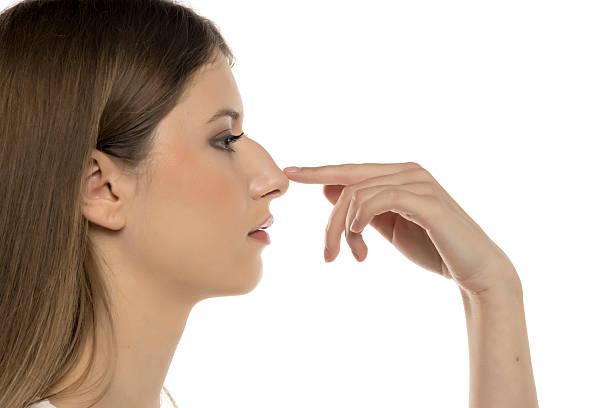
You've had the surgery. The bandages are off. And now you're looking in the mirror wondering why your nose doesn't look like the result you discussed. Before you panic, understand this: rhinoplasty results unfold slowly, over months rather than days. Rhinoplasty in Riyadh Swelling, tissue healing, and structural settling all take time. If you've had a Rhinoplasty in Riyadh, knowing why this timeline exists makes the waiting period far easier to handle.
The Core Reason: Swelling
Why Swelling Happens
Surgery involves controlled trauma to skin, cartilage, and bone. The body responds by sending fluid and immune cells to the area, which is the necessary first stage of healing.
Why the Nose Swells So Much
The nose has thin skin, limited tissue, and a dense blood supply. This combination means swelling is pronounced and persists longer than in many other areas.
Why It Obscures Results
Swelling adds volume and softens definition. What you see in the mirror during early healing is not the final shape. This is why judging results too early leads to unnecessary worry.
How Long Swelling Lasts
Most visible swelling reduces within a few weeks, but subtle swelling can persist for up to a year. The tip, in particular, holds swelling longer than the bridge.
The Healing Timeline
Week One
Swelling and bruising peak. The nose looks larger than it will. Splints are typically removed around this time. Rest and head elevation are important.
Weeks Two to Four
Bruising fades and much of the initial swelling resolves. Most people return to work and social activities. The nose still looks fuller than its final shape.
Months Two to Three
Meaningful improvement becomes visible. Most patients feel comfortable with their appearance, though subtle swelling remains. This is often when the result starts to feel like yours.
Months Four to Six
Refinement continues. The tip becomes more defined as swelling reduces. Breathing usually improves as internal swelling settles.
Months Six to Twelve
Final settling. Cartilage stabilises, skin contracts around the new framework, and the result becomes what it will remain long term.
Beyond Twelve Months
Minimal changes occur. Any remaining concerns can be assessed accurately at this point. People searching for rhinoplasty riyadh price often don't realise that the timeline itself is part of the process, not a sign of a problem.
Why the Tip Takes the Longest
Thicker Skin, More Swelling
The tip has thicker skin than the bridge and holds fluid longer. This is why tip definition often takes the longest to emerge.
Cartilage Settling
Tip cartilage needs time to stabilise and for scar tissue to form around it. This process continues for months.
Structural Support
The tip is supported by cartilage grafts and sutures in many cases. These need time to integrate with surrounding tissue.
The Practical Implication
If your tip looks fuller than expected at three months, that's normal. Patience is genuinely required.
Other Factors That Affect the Timeline
The Type of Surgery Performed
Open rhinoplasty, tip work, and cartilage grafting typically involve more swelling and longer healing than minimal procedures.
Whether Osteotomy Was Performed
If the nasal bones were broken and repositioned, swelling and bruising are more significant and recovery takes longer.
Your Skin Type
Thicker, oilier skin holds swelling longer and can delay definition. Thinner skin may show refinement sooner but can also reveal irregularities.
Revision Surgery
If you've had revision rhinoplasty, expect a longer and more unpredictable timeline due to scar tissue and altered anatomy.
Individual Healing Capacity
Genetics, age, and overall health all influence how quickly you heal and how long swelling persists.
Lifestyle Factors
Smoking, high sodium intake, alcohol, and poor sleep all slow healing and prolong swelling.
What You Can Do to Support Healing
Sleep With Your Head Elevated
Elevation reduces fluid accumulation. Use an extra pillow or a wedge for the first few weeks.
Reduce Sodium Intake
Salty foods worsen fluid retention. Choose fresh, whole foods during recovery.
Stay Hydrated
Water supports circulation and helps the body clear excess fluid.
Avoid Alcohol and Smoking
Both impair healing and prolong swelling. Alcohol also thins the blood and increases bruising.
Follow Post-Operative Instructions
Activity restrictions, wound care, and medication guidance all affect how smoothly you heal.
Don't Touch or Manipulate Your Nose
Pressing, rubbing, or habitually touching the area can affect healing and, in some cases, shift tissue.
Protect From Sun
UV exposure can affect healing and skin quality. Use sun protection once cleared.
Be Patient With Exercise
Strenuous activity increases blood pressure and swelling. Wait for clearance before resuming intense training.
What Not to Do
Don't Judge Results Too Early
Assessing your nose at three weeks is like judging a painting before it's finished. Wait for meaningful healing.
Don't Compare Yourself to Others
Everyone heals differently. Someone else's three-month photo may reflect a very different recovery trajectory.
Don't Seek Revision Too Soon
Operating on unhealed tissue increases the risk of complications. Wait at least twelve months.
Don't Ignore Genuine Concerns
Patience doesn't mean ignoring problems. Breathing difficulty, infection, or significant asymmetry should be assessed promptly.
Don't Skip Follow-Ups
These appointments track healing and let your surgeon address concerns early.
When to Contact Your Surgeon
Breathing Difficulty
Persistent or worsening breathing problems should be evaluated.
Signs of Infection
Fever, spreading redness, unusual discharge, or increasing pain requires prompt assessment.
Sudden Changes
New asymmetry, swelling, or shape changes after trauma should be reviewed.
Persistent Concerns Beyond a Year
If concerns remain after full healing, discuss them with your practitioner. This is the appropriate time to consider options.
Emotional Distress
If anxiety about your result is affecting your wellbeing, talk to your surgeon. They can explain the healing process and reassure you where appropriate.
Realistic Expectations
Full Results Take Twelve Months
This is the standard timeline for most patients. Some settle sooner; others take longer.
Improvement Is Gradual
You won't see dramatic daily changes. Progress is measured over weeks and months.
Final Shape Emerges Over Time
The nose you have at three months is not the nose you'll have at twelve. Trust the process.
Your Perception Will Change
As swelling reduces and you adjust to your new appearance, your feelings about the result often shift positively. A Rhinoplasty in Riyadh consultation should include an honest discussion of this timeline.
Book an Appointment Consultation Clinic
For those seeking expert guidance and customized aesthetic care, you can book an appointment consultation at the Enfield Royal Riyadh. A personalised consultation helps you understand the healing timeline and set realistic expectations.
FAQs
How long until rhinoplasty results are visible?
Most patients see meaningful improvement by three months, with final results emerging around twelve months.
Why does my nose still look swollen months after surgery?
The nose holds swelling longer than many areas due to thin skin and limited tissue. Tip swelling can persist up to a year.
When is the nose fully healed after rhinoplasty?
Structural healing and settling typically complete around twelve months, though subtle changes can continue slightly beyond.
Does the tip take longer to heal than the bridge?
Yes. The tip has thicker skin and holds fluid longer, so definition often emerges last.
Can swelling make my nose look worse before better?
Yes. Early swelling can make the nose look larger or uneven. This is normal and resolves gradually.

 English
 Arabic
 French
 Spanish
 Portuguese
 Turkish
 Dutch
Dutch
 Italiano
 Russian
 Romaian
 Portuguese (Brazil)
 Greek
Greek
