


 About Urh Social
 Terms of Service
 Πολιτική Ιδιωτικότητας
 Contact
Hormonal Acne Treatment: Options and Considerations
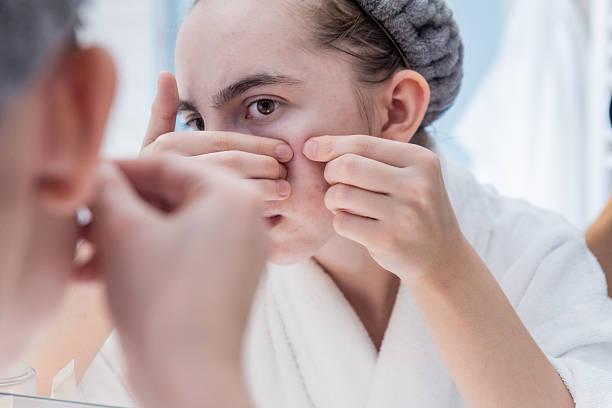
Hormonal acne is a common skin concern that affects teenagers and adults, particularly women experiencing hormonal fluctuations. It often appears as deep, inflamed pimples around the chin, jawline, cheeks, and lower face. Although acne can affect confidence and skin texture, understanding its underlying causes can help individuals choose suitable treatments. With professional guidance and a consistent skincare routine, hormonal acne can often be managed effectively.
For individuals seeking Acne Treatment in Riyadh, understanding the available options is an important first step toward healthier-looking skin. Modern dermatological approaches focus on identifying acne triggers, reducing inflammation, and preventing future breakouts. Choosing the right pimples treatment in riyadh depends on factors such as skin type, acne severity, medical history, and whether hormonal imbalances contribute to recurring blemishes.
What Is Hormonal Acne?
Hormonal acne develops when hormonal changes influence the skin's oil production. Androgens, a group of hormones that includes testosterone, can stimulate the sebaceous glands to produce excess sebum. When oil combines with dead skin cells, pores can become clogged, creating an environment where acne-causing bacteria contribute to inflammation.
Hormonal acne may occur during puberty, menstruation, pregnancy, perimenopause, or other periods of hormonal change. Some individuals also experience acne associated with conditions such as polycystic ovary syndrome (PCOS). However, recurring acne does not automatically indicate a hormonal disorder, so persistent or severe symptoms should be evaluated by a qualified healthcare professional.
Common Signs of Hormonal Acne
Hormonal acne frequently appears as tender, inflamed bumps beneath the skin. These blemishes may develop into deeper nodules or cysts and can take longer to heal than ordinary surface pimples. Breakouts often recur in similar areas, particularly around the jawline and chin.
Some people notice that their acne becomes worse before menstruation or during periods of stress. Excessive oiliness, persistent inflammation, and acne marks may also accompany recurring breakouts. Recognizing these patterns can help a skincare professional recommend a treatment plan that addresses the individual's specific concerns.
Hormonal Acne Treatment Options
Topical Treatments for Mild Acne
Topical treatments are often recommended for mild to moderate hormonal acne. Ingredients such as benzoyl peroxide can help reduce acne-causing bacteria, while topical retinoids support skin cell turnover and help prevent clogged pores. Azelaic acid may also help manage inflammation and improve the appearance of post-acne marks.
These products should be selected according to skin sensitivity and used consistently. Some ingredients can cause dryness, redness, or irritation, particularly during the initial weeks. Pregnant individuals or those planning pregnancy should consult a healthcare professional before using acne medications, especially topical retinoids.
Oral Medications for Persistent Breakouts
When acne is deep, painful, or resistant to topical treatments, a dermatologist may consider prescription medication. Depending on the individual's circumstances, options may include certain oral antibiotics for limited periods or hormonal therapies such as combined oral contraceptives and spironolactone.
These treatments are not appropriate for everyone and require medical assessment. A healthcare professional will consider possible side effects, medication interactions, pregnancy plans, and underlying health conditions before recommending a suitable option.
Professional Skin Treatments
Some professional procedures may help improve acne-related concerns when used alongside an appropriate treatment plan. Chemical peels can help exfoliate the skin and improve certain types of clogged pores and post-acne discoloration. Selected light-based treatments may also support acne management in suitable patients.
However, procedures do not necessarily correct the hormonal factors responsible for recurring breakouts. A professional assessment can determine whether these treatments are appropriate and whether active acne should be controlled before addressing scars or pigmentation.
Daily Skincare Tips for Hormonal Acne
A consistent skincare routine can complement professional treatment. Use a gentle cleanser, a non-comedogenic moisturizer, and broad-spectrum sunscreen with SPF 30 or higher. Avoid harsh scrubs, excessive exfoliation, and picking or squeezing pimples, as these habits can increase irritation and the risk of scarring.
Lifestyle habits may also influence skin health. Maintaining balanced nutrition, getting adequate sleep, and managing stress can support general well-being. Some individuals notice that certain foods worsen their acne, although dietary triggers vary. Keeping a simple skincare and breakout diary may help identify personal patterns without making unnecessary dietary restrictions.
When Should You Seek Professional Advice?
Consider consulting a dermatologist if acne persists despite consistent skincare, causes significant discomfort, leaves scars, or affects your confidence. Sudden, severe acne accompanied by irregular periods, increased facial hair, or other hormonal symptoms may warrant further medical evaluation.
Early assessment can help distinguish hormonal acne from other skin conditions and reduce the likelihood of long-term scarring. A personalized plan may combine skincare, prescription medication, lifestyle guidance, and follow-up appointments to monitor progress.
Frequently Asked Questions
1. What causes hormonal acne?
Hormonal acne commonly develops when hormonal fluctuations increase oil production and contribute to clogged pores and inflammation. Puberty, menstrual cycles, pregnancy, and certain hormonal conditions may influence breakouts.
2. Can hormonal acne be treated permanently?
Hormonal acne can often be controlled effectively, but results vary. Some people experience long-term improvement, while others need maintenance treatment because hormonal changes can trigger new breakouts.
3. How long does hormonal acne treatment take to work?
Many acne treatments require approximately six to eight weeks before noticeable improvement begins. More significant results may take several months, depending on acne severity and the treatment used.
4. Is hormonal acne different from regular acne?
Hormonal acne is associated with hormonal fluctuations and often appears around the chin and jawline. However, its appearance can overlap with other forms of acne, making professional assessment useful when symptoms persist.
5. Can skincare products alone control hormonal acne?
Skincare products may help manage mild breakouts, reduce clogged pores, and protect the skin barrier. Moderate to severe hormonal acne may require prescription treatment to address persistent inflammation and recurring breakouts.
Book a Consultation at Enfield Royal Clinic
If recurring breakouts are affecting your skin and confidence, professional guidance can help you understand your options. Enfield Royal Clinic offers a setting where you can discuss your skin concerns, explore suitable acne management approaches, and receive recommendations tailored to your needs. Arrange a consultation to take an informed step toward clearer, healthier-looking skin.

 English
 Arabic
 French
 Spanish
 Portuguese
 Deutsch
 Turkish
 Dutch
Dutch
 Italiano
 Russian
 Romaian
 Portuguese (Brazil)
