


 About Urh Social
 Terms of Service
 Privacy Policy
 Contact
Failed 4 Point Inspection: Common Reasons and How to Fix Them in 2026
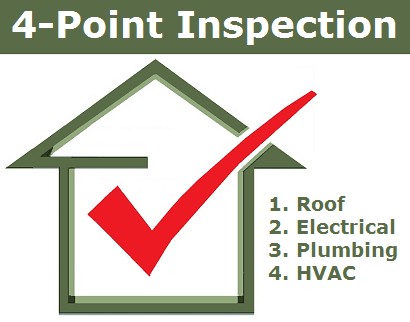
For Florida homeowners, a four-point inspection can be an important part of obtaining or renewing homeowners insurance. The assessment focuses on four major systems: the roof, electrical system, plumbing, and heating and cooling equipment. If an inspection report identifies concerns, homeowners may worry about their insurance options or the cost of necessary repairs.
Receiving a failed 4 point inspection result does not always mean a home is unsafe or impossible to insure. In many cases, the report identifies conditions that need further evaluation, documentation, or correction. Understanding the findings and taking appropriate action can help homeowners determine the best next step.
What Does a Four-Point Inspection Evaluate?
A four-point inspection is a focused review of a property's major systems. Insurance companies may request the report to assess the observable condition of an older home or determine whether it meets their underwriting requirements.
The inspection generally covers:
-
Roof: Visible condition, roofing materials, and available information about age.
-
Electrical system: Accessible panels, wiring, and other observable components.
-
Plumbing: Visible piping, fixtures, water heaters, and evidence of leakage.
-
HVAC system: Accessible heating and cooling equipment and observable conditions.
The inspection has a narrower scope than a full home inspection. It does not evaluate every component of the property, and insurers may apply different standards depending on their guidelines and the specific policy.
Common Reasons a Four-Point Inspection May Raise Concerns
1. Roof Deterioration or Uncertain Remaining Life
Roof concerns are among the issues that may affect an insurer's decision. Missing shingles, visible leaks, deteriorated materials, damaged flashing, or a roof nearing the end of its expected service life may require additional attention.
The roof's age alone does not tell the whole story. Its material, condition, maintenance history, and the insurer's criteria can all matter.
What to do: Arrange an evaluation by a qualified roofing contractor if needed. Obtain repair records, invoices, permits, or replacement documentation where available. Ask the insurance company what evidence it requires.
2. Electrical System Problems
Older electrical components, damaged wiring, visible overheating, missing covers, or other apparent defects may trigger concerns.
Electrical problems should never be concealed or addressed with temporary fixes simply to improve an inspection report.
What to do: Contact a licensed electrician to evaluate suspected defects and complete necessary work. Keep relevant invoices, permits, and repair documentation.
3. Plumbing Leaks or Deteriorated Pipes
Leaking fixtures, corrosion, deteriorated piping, and evidence of previous water damage may raise questions about the plumbing system's condition.
Even a small leak can lead to damage when it remains unresolved. Florida's humid climate can make persistent moisture particularly problematic.
What to do: Have a qualified plumber assess confirmed or suspected issues. Repair the source of the leak and address damaged materials as appropriate. Retain records of plumbing upgrades and repairs.
4. HVAC Equipment Concerns
A heating or cooling system that does not operate properly, shows visible deterioration, or has unresolved leakage may need attention.
Routine maintenance can help identify problems, but it cannot guarantee that an insurer will accept the system.
What to do: Schedule service with a qualified HVAC technician when necessary. Keep maintenance and repair records available for the inspector or insurance representative.
What Should You Do After a Failed Report?
If you receive a failed 4 point inspection report, start by reading the findings carefully. Avoid assuming that every observation requires a complete system replacement. Some issues may need repairs, additional documentation, or an evaluation by a specialist.
Follow these steps to organize your response.
Step 1: Ask for clarification. Contact the inspector if you do not understand a finding. Ask what was observed and whether the report recommends further evaluation.
Step 2: Contact your insurer or agent. Confirm which findings affect your application or renewal and what documentation will be accepted. Do not rely on general advice alone because requirements differ among insurers.
Step 3: Prioritize safety-related problems. Electrical hazards, active leaks, and significant roof damage should be addressed promptly by qualified professionals.
Step 4: Obtain repair estimates. If work is required, request written estimates from appropriately qualified contractors. For extensive work, comparing estimates can help you understand the available options.
Step 5: Keep a complete paper trail. Save invoices, permits, contractor reports, photographs, and other relevant records. This documentation may help establish that work has been completed.
Does a Failed Inspection Mean You Cannot Get Insurance?
Not necessarily. A four-point inspection report is one piece of information an insurer may use when evaluating a property. The outcome depends on the reported conditions, the insurer's underwriting rules, the policy involved, and any applicable requirements.
Some homeowners may be able to resolve concerns through repairs and updated documentation. Others may need to discuss alternative coverage options with a licensed insurance professional.
Do not assume that every company follows identical standards or that a new inspection automatically guarantees approval. Ask your insurer what it requires before spending money on extensive work.
Can You Get Another Inspection After Repairs?
Yes, a follow-up inspection or updated report may be appropriate after the identified concerns have been addressed. The exact process depends on the insurer's requirements.
Before arranging another appointment, confirm which documents or forms are needed. Make sure repairs are complete and relevant records are available. If a specialist performed the work, their report or invoice may help document what was done.
A new assessment should accurately reflect the property's current observable condition rather than simply repeat the previous report.
How to Reduce Future Inspection Problems
Preventive maintenance can help homeowners identify issues before an insurance deadline approaches.
-
Check for roof leaks and visible deterioration periodically.
-
Repair plumbing leaks promptly.
-
Arrange electrical evaluations when warning signs appear.
-
Maintain HVAC equipment according to manufacturer recommendations.
-
Keep records of major repairs and replacements.
-
Schedule insurance-related inspections early enough to allow time for follow-up.
Homeowners should also remember that a four-point inspection does not replace a comprehensive home inspection. A full inspection may identify concerns in additional areas, including the foundation, exterior, interior, attic, and drainage.
Conclusion
A failed 4 point inspection can be stressful, especially when insurance coverage is involved, but it should be treated as a starting point for understanding the property's condition. Careful review, appropriate repairs, accurate documentation, and direct communication with the insurer can help clarify the available options.
In 2026, proactive maintenance remains a practical way to manage a property's major systems. Rather than rushing into unnecessary replacements or relying on temporary fixes, homeowners should address documented concerns, seek qualified advice, and confirm their insurer's requirements before scheduling a follow-up inspection.

 English
 Arabic
 French
 Spanish
 Portuguese
 Deutsch
 Dutch
Dutch
 Italiano
 Russian
 Romaian
 Portuguese (Brazil)
 Greek
Greek
