


 About Urh Social
 Terms of Service
 Política de Privacidade
 Contact
Understanding Cat Euthanasia: Signs, Process, and Support
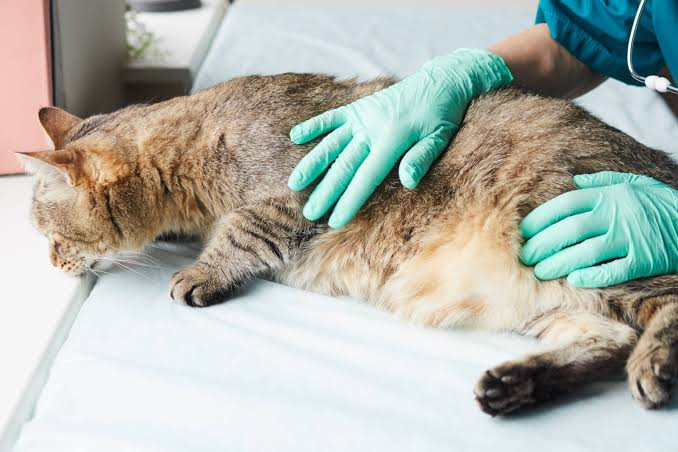
There is a particular kind of weight that settles on a family when a beloved cat is seriously ill and declining. The daily attention required, the careful observation of every small change, and the persistent question of whether the time has come, all accumulate into an emotional burden that is difficult to describe to anyone who has not experienced it. Understanding cat euthanasia as a genuine and compassionate option, rather than a last resort or a failure of care, is one of the most important reframes a family can make during this time. This guide walks through the signs that quality of life has been seriously compromised, what the process involves in both clinic and home settings, the conditions that most commonly bring families to this conversation, and the support available to you and your family throughout.
Reframing the Conversation Around Cat Euthanasia
Cat euthanasia is frequently discussed in language that emphasizes what is being ended rather than what is being offered. The word is associated with loss, finality, and grief. What it does not often get associated with, despite being its most accurate description, is mercy.
A cat who is living in chronic unrelieved pain, who has stopped eating, who is hiding because they are frightened and unwell, and whose body is no longer capable of supporting any of the experiences that once brought them pleasure, is not being served by extending that existence. They are being asked to continue enduring something that no longer has the capacity to be good for them. Cat euthanasia, chosen at the right moment and conducted with compassion, ends that suffering and replaces it with peace. That is not a small thing. It is one of the most profound acts of love available to us as pet owners.
Signs That Quality of Life Has Been Significantly Compromised
Because cats instinctively mask their discomfort, the behavioral changes that indicate serious suffering can be subtle and easy to miss, particularly when hope and love are shaping what we see. Understanding what to look for specifically helps you evaluate your cat's situation more honestly and more clearly.
Persistent refusal to eat is one of the most meaningful signs for cats. A cat who consistently refuses food despite all available interventions is communicating something important about their internal experience. Unlike dogs, cats cannot safely go without food for extended periods, and prolonged anorexia indicates a body and a spirit that are both seriously compromised.
Hiding in unusual locations for extended periods, particularly in a cat who was previously social, is a reliable indicator of pain or significant distress. Cats retreat from the world when they are suffering. A cat who has retreated entirely from the life of the household is telling you something that deserves serious attention.
Labored or obviously effortful breathing at rest is always urgent. Conditions including pleural effusion in cats and hypertrophic cardiomyopathy can produce respiratory distress that is both frightening and physically exhausting. A cat who is working hard to breathe while resting is not having a good day and repeated episodes represent a serious and consistent quality of life compromise.
Complete cessation of grooming, resulting in a matted and unkempt coat that is entirely out of character, signals that the cat lacks either the physical ability or the internal wellbeing required for this most fundamental of feline behaviors.
Using Quality of Life Tools
The quality of life scale at Paws at Peace provides a structured assessment across pain, appetite, hydration, hygiene, happiness, and mobility. Taking it at regular intervals creates a trend over time that is far more informative than any single day's observation.
A daily diary assigning your cat a good or bad day provides a complementary picture. When bad days consistently and significantly outnumber good ones over a sustained period, and when available treatments cannot change that pattern, the diary and scale together are providing clear and honest guidance.
Quality of life teleconsults with experienced end-of-life veterinarians are available through Paws at Peace for families who want personalized guidance through this process.
Conditions That Most Often Lead to This Conversation
Chronic kidney disease in cats is the single most common reason cat owners find themselves facing this conversation. Advanced kidney disease produces nausea, severe weight loss, and a persistent deterioration that supportive care can only partially address.
Hypertrophic cardiomyopathy, saddle thrombus, pleural effusion, large cell lymphoma, feline leukemia virus, feline infectious peritonitis, oral tumors in cats, congestive heart failure in cats, and diabetes in cats that has become unmanageable all follow trajectories that can reach a point where in home cat euthanasia is the most compassionate response available.
Seizures in cats that cannot be controlled through medication, particularly when accompanied by prolonged post-seizure distress, also represent a quality of life consideration that deserves honest and timely discussion.
In Home Cat Euthanasia: The Gentler Option
For most cats, in home cat euthanasia is a significantly more peaceful experience than a clinic-based appointment. Cats are profoundly sensitive to environmental change. Removing a seriously ill cat from their home and placing them in a clinical setting introduces stress that is both unnecessary and unkind.
When you choose to put a cat to sleep at home through Paws at Peace, a care coordinator discusses your cat's specific needs at scheduling. A prescription sedative can often be provided ahead of the appointment for you to give at home, ensuring your cat is already calm when the veterinarian arrives.
The veterinarian settles into the space on arrival, allows the room to find a calm rhythm, and administers a sedative that brings your cat into a deeply relaxed and sleep-like state within minutes. Once fully sedated, the final medication is given. Your cat passes peacefully, without awareness, and without fear. You have as much time as you need afterward.
Aftercare and Grief Support
Options include private cremation, communal cremation, and private burial. Reading about what you need to know before burying a pet provides helpful guidance on legal and practical considerations in New York.
Pet loss grief counseling is available through Paws at Peace from a trained counselor specializing in animal loss. Pet euthanasia at home services through Paws at Peace extend beyond the appointment itself to include dedicated grief support for the family.
Frequently Asked Questions
Q: How do I know when cat euthanasia is the right decision for my pet?
A: When your cat's bad days consistently outnumber good ones and treatments can no longer restore meaningful comfort or engagement, it is often time. Using the quality of life scale and keeping a daily diary are the most practical tools for seeing your cat's situation clearly and deciding with confidence.
Q: Is in home cat euthanasia available for all cats regardless of their condition?
A: Yes. In home cat euthanasia is available for cats across a wide range of conditions and temperaments. Specific accommodations including pre-appointment sedatives are available for particularly anxious cats, ensuring the experience is as calm and gentle as possible from beginning to end.
Q: What is the difference between putting a cat to sleep at home and at a clinic?
A: At home, your cat remains in a completely familiar and stress-free environment. There is no transport, no carrier, and no unfamiliar clinical setting. The veterinarian comes to you and the appointment is shaped entirely by your cat's comfort and your family's needs rather than by clinic scheduling.
Q: How long does an in home cat euthanasia appointment take?
A: The appointment typically takes between 30 and 45 minutes from the veterinarian's arrival. However, there is no time limit at any stage. The veterinarian moves at whatever pace feels right for your cat and your family, and you have as much time as you need after your cat has passed.
Q: What pet euthanasia at home services does Paws at Peace offer for cats?
A: Paws at Peace provides in-home cat euthanasia appointments conducted by licensed veterinarians, quality of life teleconsults, coordination of aftercare including cremation, and access to pet loss grief counseling through a trained specialist. All services are available seven days a week across New York City and surrounding areas.

 English
 Arabic
 French
 Spanish
 Deutsch
 Turkish
 Dutch
Dutch
 Italiano
 Russian
 Romaian
 Portuguese (Brazil)
 Greek
Greek
