


 About Urh Social
 Terms of Service
 Datenschutzbestimmungen
 Contact
Building a Distinctive Fragrance Brand Through Private Label Perfume
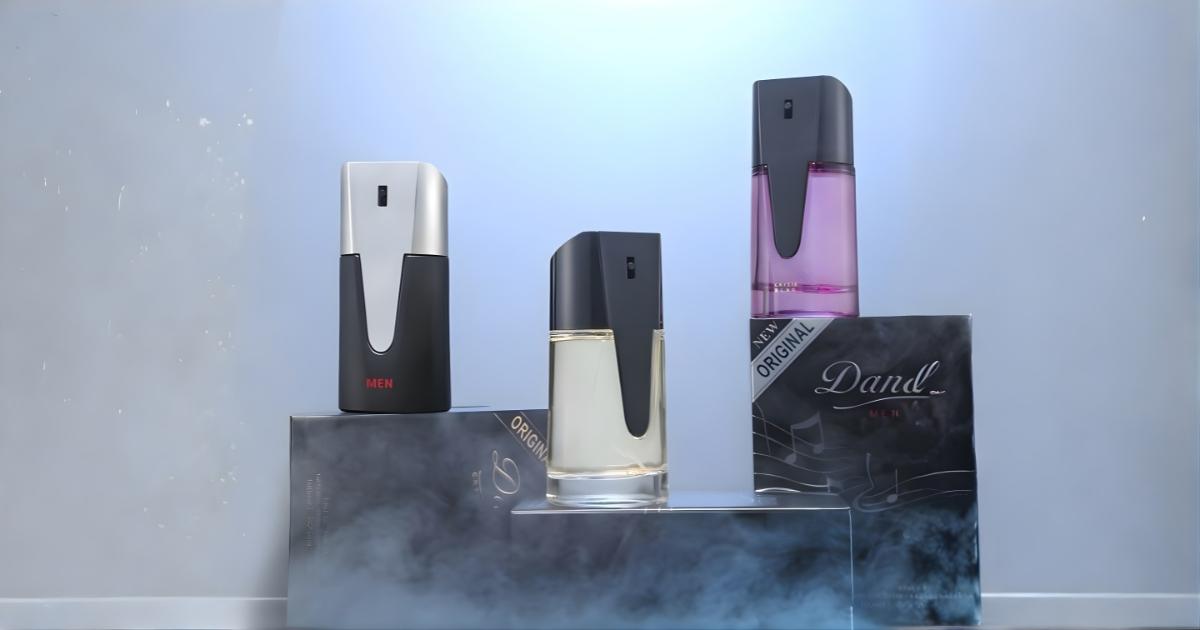
The fragrance industry offers businesses an opportunity to connect with customers through scent, emotion, and personal identity. From elegant floral blends to warm oriental compositions, perfumes can communicate a brand's personality in a way that few other products can. For entrepreneurs, beauty retailers, and established cosmetics businesses, launching a fragrance line can be an effective way to expand a product portfolio and reach new customers.
However, creating a successful perfume brand involves more than choosing an attractive bottle and an appealing scent. Businesses must consider their target audience, product positioning, packaging, quality expectations, and overall brand identity. A private label perfume can provide a practical starting point for companies that want to introduce their own fragrance products without developing every aspect of manufacturing independently.
What Is Private Label Perfume?
Private label perfume is fragrance produced by a manufacturer for a business to market under its own brand name. Depending on the manufacturer's services, a business may be able to select from existing fragrance formulations, explore different packaging options, and customize elements of the finished product.
This model can help simplify the process of entering the fragrance market. Instead of establishing an entire production operation, a brand can work with an experienced manufacturing partner to develop a product aligned with its commercial goals.
The level of customization varies by supplier. Some manufacturers offer established fragrance collections with selected packaging choices, while others may provide broader support for product development and presentation. Before starting a project, businesses should clarify which elements can be customized and which are available from existing options.
Begin With a Clear Brand Identity
A memorable fragrance brand starts with a clear understanding of its audience. A perfume intended for customers who prefer understated everyday scents may require a different presentation from one positioned as a luxurious evening fragrance.
Consider the emotions and associations the brand should communicate. Freshness, sophistication, warmth, romance, confidence, and elegance can all influence fragrance selection and visual design.
It is also useful to research competing products. Examine their scent profiles, bottle styles, price ranges, packaging, and marketing language. The goal is not to copy existing brands but to identify opportunities to offer a distinctive experience.
A clear brand identity helps guide decisions throughout the development process, from selecting fragrance families to designing labels and choosing suitable packaging.
Explore Fragrance Families and Customer Preferences
Perfumes are commonly organized into fragrance families, including floral, woody, citrus, fresh, gourmand, and oriental-inspired compositions. Each family offers different characteristics and can appeal to different customer preferences.
Floral fragrances often feature notes such as rose, jasmine, or orange blossom. Citrus compositions may create a bright, refreshing impression, while woody fragrances can offer earthy, warm, or sophisticated qualities. Oriental-inspired fragrances frequently combine warm spices, resins, amber-like accords, and other rich notes.
These categories can help businesses narrow their options before evaluating specific formulations.
When choosing a fragrance, consider the intended use, climate, customer lifestyle, and preferred intensity. A scent designed for daily wear may benefit from a different balance than a fragrance intended for special occasions.
Whenever possible, evaluate samples before committing to a larger production order. Fragrance can develop over time after application, so testing the opening, middle, and lasting notes provides a more complete impression than smelling a product only once.
Packaging Should Support the Fragrance
Packaging plays an important role in how customers perceive a perfume. The bottle, cap, label, outer box, and overall color palette contribute to the product's identity before the customer experiences the scent itself.
Minimalist packaging may suit a modern lifestyle brand, while decorative details and richer colors may complement a collection positioned around luxury or traditional fragrance influences.
Practical considerations matter just as much as appearance. Packaging should protect the product, allow clear labeling, and be appropriate for storage, transportation, and retail display.
Businesses should also check the compatibility of the selected bottle, closure, and fragrance formulation. A visually appealing package is only effective when it performs reliably during normal use.
Work With a Suitable Manufacturing Partner
Choosing the right manufacturing partner is an important step in launching a fragrance collection. Businesses should review available formulations, production capabilities, customization options, minimum order quantities, lead times, and sample policies.
Clear communication can help prevent misunderstandings. Before placing an order, establish the product specifications, packaging requirements, labeling details, expected production schedule, and procedures for addressing quality concerns.
It is also important to understand the manufacturer's documentation and quality-control processes. Depending on the intended market, businesses may need to verify ingredient declarations, product safety requirements, labeling rules, and applicable fragrance regulations.
These requirements can differ between countries and sales channels, so compliance should be confirmed for the specific markets where the perfume will be sold.
Develop a Product Range With Purpose
Launching too many fragrances at once can make inventory management and marketing more complicated. A focused collection may be easier to position and promote, particularly for a new business.
For example, a brand might begin with a small selection of complementary scents that serve different preferences. One fragrance could emphasize fresh, everyday wear, another could offer floral elegance, and a third might focus on warm, evening-oriented notes.
A coherent collection gives customers a reason to explore multiple products while helping the brand maintain a recognizable identity.
Businesses should also consider how different bottle sizes and packaging formats fit their audience. Travel-friendly sizes, gift sets, and standard retail bottles may serve different purchasing occasions, depending on the manufacturer's available options and the brand's strategy.
Build Customer Trust Through Consistency
Fragrance purchases can be personal because scent preferences vary significantly from one individual to another. Clear product descriptions, accurate fragrance notes, and realistic marketing claims help customers make informed decisions.
Avoid describing a perfume as universally appealing or promising performance characteristics that have not been verified. Instead, communicate the fragrance's character, intended mood, and key notes in language that helps customers understand what to expect.
Consistent quality is equally important. Establish a process for reviewing samples, checking finished packaging, and documenting product specifications. Maintaining consistency across production batches can support customer confidence and encourage repeat purchases.
Create a Strong Foundation for Your Perfume Brand
Launching a fragrance line requires a balance of creativity and practical planning. A clear target audience, carefully selected scent profiles, suitable packaging, and a dependable manufacturing relationship can help businesses build products with a distinctive identity.
For companies exploring fragrance manufacturing options, a private label perfume offers a way to develop branded products while working with a specialist supplier. Businesses can explore relevant fragrance options through ZUOFUN's oriental floral perfume product page:
https://www.zuofun.com/product/oriental-floral-private-label-perfume/
With thoughtful product selection, careful testing, and a consistent brand message, businesses can create a fragrance collection that reflects their vision and gives customers a memorable experience.

 English
 Arabic
 French
 Spanish
 Portuguese
 Turkish
 Dutch
Dutch
 Italiano
 Russian
 Romaian
 Portuguese (Brazil)
 Greek
Greek
