


 About Urh Social
 Terms of Service
 Política de privacidade
 Contact
Drywall Repairs for Smooth and Well-Maintained Walls
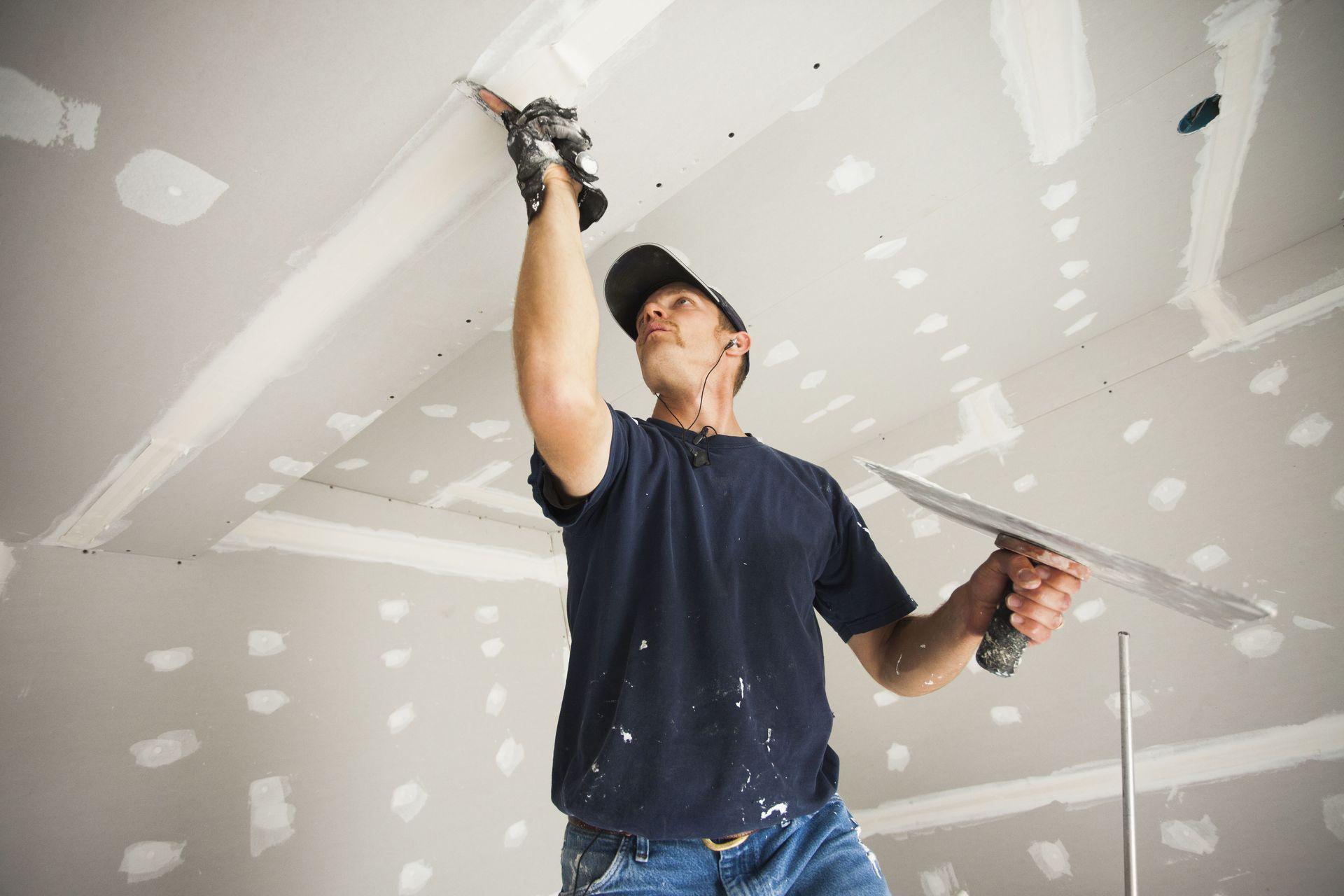
Walls and ceilings experience everyday wear from furniture movement, accidental impacts, moisture, and normal changes within a building. Small dents, holes, cracks, and peeling surfaces can make a room look unfinished even when the rest of the property is well maintained. Drywall Repairs restore damaged areas and prepare them for painting or other interior finishes. The right approach depends on the size of the defect, the condition of the surrounding material, and the cause of the damage. Before starting work, inspect the affected area carefully to determine whether a simple patch will be sufficient or whether a larger section needs attention.
Fix Small Holes and Surface Dents
Nail holes, screw openings, minor dents, and small impacts are common in residential and commercial interiors. Although these defects may seem minor, several damaged spots can make an entire wall appear worn. Drywall Repairs for small openings usually involve cleaning the area, applying an appropriate patching compound, and smoothing the surface after it dries. Deeper holes may require additional filling or a suitable patch rather than a thin surface coating. Proper sanding helps blend the repaired area with the surrounding wall. Taking time to prepare the surface makes it easier to achieve a consistent finish once primer and paint are applied.
Repair Larger Holes Without Leaving Weak Spots
Large openings can develop when furniture strikes a wall, fixtures are removed, or part of the drywall becomes damaged. Simply filling a wide hole with compound may not provide enough support for a lasting repair. Drywall Repairs in Bronx involving larger openings may require removing loose material, installing a suitable replacement piece, and securing it to appropriate backing. The edges then need joint tape and finishing compound to create a smooth transition. Matching the thickness of the replacement board to the existing drywall is important because differences can produce uneven surfaces. Careful patching provides a stronger foundation for finishing and helps the repaired section blend into the wall.
Address Cracks Along Walls and Ceilings
Cracks may appear near drywall joints, corners, doorways, ceilings, or areas where different materials meet. Some are related to minor movement, while others may indicate moisture problems or more significant building changes. Drywall Repairs can address superficial cracks after the underlying cause has been considered. The damaged area may need to be opened slightly, cleaned, reinforced with suitable tape, and refinished with joint compound. Repeated cracks should not simply be covered again and again without investigation. If a crack widens, returns quickly, or appears alongside sagging or other unusual changes, further assessment may be needed before cosmetic work proceeds.
Remove and Replace Water-Damaged Drywall
Water can cause drywall to soften, swell, stain, crumble, or lose its ability to hold fasteners securely. Leaking pipes, roof problems, faulty windows, and other moisture sources may contribute to the damage. Drywall Repairs should begin only after the source of the water has been addressed and the affected area has been assessed. Material that has deteriorated significantly may need to be removed and replaced rather than covered with fresh compound or paint. The surrounding framing and insulation should also be checked where accessible. If mold is suspected or the affected area is extensive, appropriate professional assessment and remediation may be necessary before new drywall is installed.
Restore Corners and Edges
Wall corners and exposed edges often receive repeated impacts from furniture, equipment, and everyday movement. These areas can become chipped, cracked, or misshapen, particularly when corner reinforcement is damaged. Drywall Repairs can restore the shape of an affected corner by removing loose material, repairing or replacing the appropriate reinforcement, and applying finishing compound. Accurate alignment matters because uneven corners can remain visible after painting. The repaired surface should also be blended into the adjoining walls so that the transition appears consistent. Addressing corner damage properly improves the appearance of the room and reduces the chance of a rough, unfinished result.
Make Ceiling Repairs Blend With the Existing Finish
Ceiling damage can be particularly noticeable because overhead surfaces often receive direct light from windows and fixtures. Cracks, holes, loose joints, and stains may interrupt the appearance of an otherwise clean room. Drywall Repairs on ceilings require careful assessment because gravity, overhead positioning, and the condition of the supporting framework can affect the work. Loose or sagging sections should be investigated before finishing begins. If water staining is present, its source must be resolved first. Once the affected material is stable and dry, appropriate patching, joint treatment, sanding, and priming can prepare the ceiling for a more consistent finish.
Match the Texture and Paint Color
A repaired area can remain visible when its texture or paint color differs from the original wall. Some interiors have smooth surfaces, while others feature textured finishes that require a different application method. Drywall Repairs should account for the existing surface so the new work blends naturally with the surrounding material. The repaired section may need to be primed before repainting because fresh compound can absorb paint differently from an older painted surface. Even when the color appears similar in the container, lighting and paint aging can affect the final appearance. Testing the finish in a small area can help reduce noticeable differences after the work is complete.
Know When Professional Assessment Is Necessary
Not every wall defect is limited to the visible surface. Extensive water damage, recurring cracks, loose ceiling sections, widespread deterioration, or damage around structural elements may require a closer evaluation. Drywall Repair Service in Bronx can restore many common defects, but cosmetic patching alone will not correct an ongoing leak, significant movement, or damaged framing. Before work begins, determine whether the affected material is stable and whether any underlying issue needs to be resolved. Electrical wiring and plumbing may also be present behind the drywall, so cutting into concealed areas requires appropriate caution. Addressing the real cause helps prevent repeated repairs and unnecessary expense.
Keep Repaired Surfaces in Good Condition
Once a wall or ceiling has been restored, simple maintenance can help preserve the finish. Avoid repeated impacts, use suitable anchors when hanging heavy objects, and address leaks or condensation promptly. Drywall Repairs can improve the appearance of damaged interiors, but the results may not last if the original cause remains unresolved. Inspect previously affected areas occasionally for returning cracks, stains, loose joints, or changes in the surface. Small defects are often easier to manage before they spread, while unusual or recurring damage deserves further assessment. With proper preparation, suitable materials, careful finishing, and attention to moisture and movement, drywall surfaces can remain smooth and presentable for years.

 English
 Arabic
 French
 Spanish
 Portuguese
 Deutsch
 Turkish
 Dutch
Dutch
 Italiano
 Russian
 Romaian
 Greek
Greek
