


 About Urh Social
 Terms of Service
 Privacy Policy
 Contact
How Can You Plan a Budget-Friendly Adventure Water Park Trip?
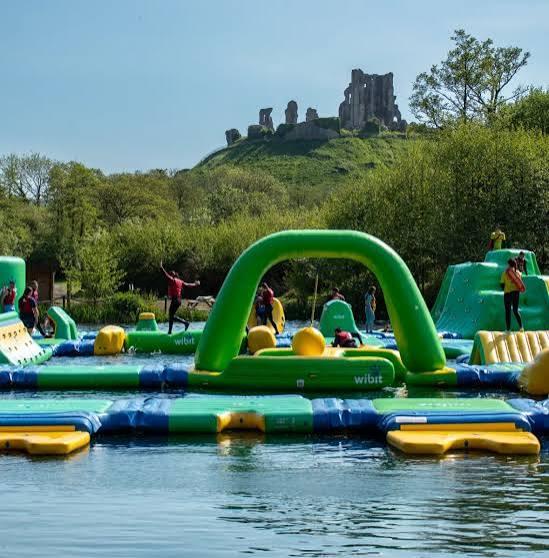
Planning a fun day out does not always mean spending a lot of money. An adventure water park can be a great place to enjoy exciting water rides, swimming areas, and family activities. Whether you are planning a trip with friends or taking your children for a special day, a little preparation can help you enjoy the experience without putting too much pressure on your budget.
The key is to plan before you leave home. You need to think about ticket prices, transportation, food, clothing, and other small expenses that can increase the total cost of your visit. When you organize these details in advance, you can make better choices and enjoy your day with less stress.
SKT encourages visitors to plan their outings carefully so they can make the most of their time and money. With a few simple steps, you can enjoy an adventure water park trip that is exciting, comfortable, and affordable.
1. Set a Budget Before Planning Your Trip
The first step is to decide how much money you can spend on the entire trip. Setting a budget helps you understand what you can afford and prevents unnecessary spending during your visit.
Think about the number of people joining you. A trip for two adults will usually have different costs from a trip for a family with several children. Write down the main expenses, including tickets, transportation, meals, drinks, and any extra activities.
For example, if you are visiting with your family, decide how much you can spend on tickets before checking the available options. Then set aside money for travel and food. Keep a small amount for unexpected expenses, such as an additional drink or a necessary item.
You do not need an expensive plan to have a good time. A clear budget helps you focus on activities that matter most to your group.
2. Choose the Right Day to Visit
The day you choose can affect your travel plans and overall experience. Weekends, public holidays, and school breaks may attract more visitors to popular attractions. Depending on the venue, ticket prices and availability may also vary.
If your schedule is flexible, check whether a weekday visit is possible. Some venues may offer different prices or special packages on selected days. However, do not assume that weekdays are always cheaper. Check the current ticket information before making your decision.
Choosing a suitable day can also help you plan transportation. You may find it easier to travel at a time that avoids heavy traffic, depending on your location.
Before confirming your visit, check the opening hours and any special entry requirements. This helps you avoid arriving when the park is closed or when certain activities are unavailable.
3. Compare Ticket Options Before Buying
Tickets are often one of the largest expenses when planning a water park trip. For this reason, it is worth spending a little time comparing the available ticket options.
Check the prices for adults and children, along with any family or group packages. Some venues may offer discounts for advance bookings, selected dates, or larger groups. Other offers may have specific conditions, so read the details carefully.
Consider what each ticket includes. A lower-priced ticket may provide access to fewer activities, while another option may include more attractions. Think about what your group actually wants to enjoy rather than paying extra for features you may not use.
Booking in advance may also help you organize your visit. Make sure you purchase tickets through a reliable booking option and confirm the date, number of visitors, and entry conditions before paying.
Comparing tickets helps you choose an option that fits your budget and plans.
4. Look for Family and Group Deals
If you are visiting with several people, check whether the venue offers family or group tickets. These options may provide better value than purchasing individual tickets, depending on the offer.
For example, a family package might cover a set number of adults and children. A group offer may be suitable for friends or relatives who want to visit together. Before purchasing, compare the total package price with the cost of buying separate tickets.
Read the rules to make sure everyone in your group qualifies. Some packages may have limits on the number of visitors or may only be available on selected dates.
It is also helpful to plan with your group before booking. Agree on the visit date and confirm who is coming. This reduces the chance of paying for tickets that someone cannot use.
Remember that a deal is only useful when it matches your needs. Choose the option that gives your group the best value without adding unnecessary costs.
5. Plan Transportation in Advance
Transportation can add a large amount to the cost of a day out, especially when the park is far from your home. Planning your journey before leaving can help you manage this expense.
Start by checking the distance and estimated travel time. If you are traveling by car, consider fuel costs and parking fees. If public transportation is available and convenient, compare its total cost with driving.
Families or groups may also be able to share a ride. Traveling together can reduce the cost per person, depending on the distance and parking arrangements.
Try to leave enough time to reach the park without rushing. Unexpected traffic can make the journey longer, so check the route before you leave.
It is also a good idea to confirm the parking arrangements in advance. Knowing where to park and whether a fee applies can help you avoid surprises when you arrive.
6. Save Money on Food and Drinks
Food and drinks can increase your spending during a water park visit. When you are busy swimming and enjoying activities, it is easy to buy more snacks than you planned.
Before your trip, check the park's food and drink policy. Some venues allow visitors to bring certain items, while others have restrictions on outside food, drinks, containers, or coolers. Follow the rules so you do not have to leave permitted items behind or pay for something you could have prepared at home.
If outside food is allowed, you may be able to bring suitable snacks and save money. Simple options can include fruit or other easy-to-carry foods, depending on the park's rules.
If you plan to buy meals inside, set a food budget before arriving. Choose meals that suit your needs and avoid buying items simply because you are hungry or thirsty at the moment.
Drink enough water throughout the day, especially when the weather is hot. Staying hydrated helps you remain comfortable while enjoying water activities.
7. Bring the Right Items From Home
Forgetting essential items can lead to extra spending. You may need to purchase something at the venue if you leave it at home, and these unexpected costs can affect your budget.
Prepare your bag the day before your visit. Depending on the park's rules, useful items may include swimwear, a towel, sunscreen, a change of clothes, and a waterproof bag for wet items.
Comfortable footwear is also important for walking around areas outside the pools. Follow the venue's guidance about suitable footwear for different attractions.
If you are visiting with children, pack any necessary personal items and spare clothing. Younger visitors may need extra changes after swimming or playing in the water.
Do not bring items that are prohibited by the venue. Check the visitor guidelines before packing your bag.
Preparing at home is a simple way to reduce last-minute purchases and make your trip more comfortable.
8. Make a Simple Plan for Activities
A water park may have several rides, pools, splash areas, and other attractions. It can be tempting to try everything, but rushing from one activity to another may make your visit tiring and expensive.
Before your trip, look at the available activities and decide which ones are most important to your group. Focus on attractions that match everyone's ages, interests, and comfort levels.
If certain activities require additional payment, include those costs in your budget. You can then decide which extras are worth paying for and which ones you can skip.
Allow time for breaks between activities. Children may need to rest, eat, or relax in a shaded area. A flexible plan makes the day more enjoyable and helps everyone avoid becoming too tired.
You do not have to experience every attraction to have a memorable visit. Choosing a few favorite activities can be enough for a fun day.
9. Check Rules and Safety Requirements
Safety should always be part of your planning. Before visiting an adventure water park, read the safety instructions and any rules that apply to the attractions you want to use.
Some rides may have height, age, weight, or health-related restrictions. Check these requirements before purchasing tickets, especially when visiting with children. This helps you understand which activities are suitable for each person.
Follow the instructions given by lifeguards and park staff. Use the correct entry and exit points for pools and rides, and never encourage children to use attractions that are not suitable for them.
Bring suitable sun protection if required, and take breaks when needed. Staying comfortable can help you enjoy more of the day without needing to leave early.
Planning around safety requirements can also prevent disappointment if someone in your group cannot use a particular ride.
10. Avoid Unplanned Spending During Your Visit
Small purchases may seem inexpensive at first, but several of them can quickly increase your total spending. Souvenirs, extra snacks, games, and other optional items may not be part of your original plan.
Before arriving, decide how much money you want to spend on extras. If children want souvenirs, you can agree on a limit in advance. This helps them understand the budget while still allowing them to enjoy the experience.
Keep your ticket confirmation and payment details organized. Check the price before buying optional items, and avoid making purchases simply because other visitors are doing so.
If you have already planned your main activities and meals, it will be easier to see how much money remains for additional expenses.
The goal is not to avoid every extra purchase. It is to spend carefully so you can enjoy the day without worrying about the final cost.
11. Choose Comfortable Clothing and Prepare for the Weather
Weather can affect how comfortable your trip feels. Before leaving home, check the expected conditions and prepare clothing that suits the day.
Wear suitable swimwear and bring a change of clothes if needed. A towel and a bag for wet clothing can also be useful. Depending on the venue's rules, sunscreen, a hat for outdoor areas, and other sun protection items may help you stay comfortable.
If the weather is very hot, plan regular breaks and drink enough water. Follow the park's instructions about outdoor activities and weather-related closures.
Checking the forecast also helps you decide what time to travel and what items to bring. It is better to prepare in advance than to buy replacement items after arriving.
Comfortable preparation supports a better experience and helps you avoid unnecessary spending.
12. Review Your Total Costs After Planning
Before your visit, review your budget one final time. Add together the expected ticket prices, transportation costs, food expenses, and any extra activities you plan to enjoy.
Compare this amount with the budget you set at the beginning. If the total is too high, look for areas where you can save money. You might choose a different date, select another ticket option, share transportation, or reduce optional purchases.
Make sure you understand which expenses are fixed and which ones you can change. Tickets and travel may take up most of your budget, while snacks and souvenirs may offer more flexibility.
Keep some money available for unexpected needs. A small reserve can help you handle minor problems without affecting the rest of your plans.
Reviewing the costs before leaving home gives you a clearer idea of what to expect and helps you make confident decisions.
Conclusion
Planning a budget-friendly trip to an adventure water park is easier when you organize the important details before your visit. Setting a spending limit, comparing ticket options, choosing a suitable day, and arranging transportation can help you control your costs.

 English
 Arabic
 French
 Spanish
 Portuguese
 Deutsch
 Turkish
 Dutch
Dutch
 Italiano
 Russian
 Portuguese (Brazil)
 Greek
Greek
