


 About Urh Social
 Terms of Service
 Datenschutzbestimmungen
 Contact
Surgical Mistake Attorney: What Patients Should Know Before Taking Legal Action
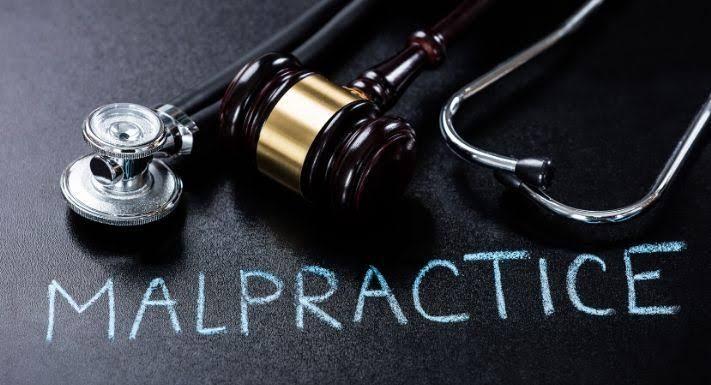
A surgical procedure is often undertaken with the expectation that it will address a medical problem or improve a patient's condition. When something goes wrong, however, the consequences can be significant. A patient may require additional treatment, experience a longer recovery, or suffer an injury that affects everyday life.
Not every unexpected surgical outcome means that negligence occurred. Surgery carries inherent risks, and complications can arise even when a medical team follows appropriate procedures. The more important question is whether the care provided met the applicable professional standard and whether a preventable error caused or contributed to the patient's harm.
Understanding the factors involved can help patients make informed decisions when evaluating a possible medical malpractice matter.
What Is a Surgical Mistake?
Surgical mistakes can occur at different stages of patient care. Some happen during the procedure itself, while others may involve preparation, communication, medication, or postoperative treatment.
Potential examples include performing the wrong procedure, operating on the wrong site, damaging surrounding structures, using an inappropriate technique, or failing to recognize a developing complication.
A surgical error may also involve inadequate preparation. Relevant medical history, medications, allergies, imaging, laboratory results, and existing health conditions can all influence how a procedure should be planned.
The presence of an error does not automatically establish malpractice. The circumstances must be examined to determine whether the conduct fell below the applicable standard of care.
When Does a Surgical Mistake Become Negligence?
Medical malpractice generally involves more than an unfortunate result. A potential claim may require evidence that a healthcare provider owed the patient a professional duty, failed to provide care consistent with the applicable standard, and caused an injury resulting in legally recognized damages.
For example, a patient may experience a known complication despite receiving appropriate care. In another case, records may indicate that a healthcare professional failed to follow an established precaution or did not respond appropriately when a problem became apparent.
This distinction is important because medical decisions should be evaluated based on the information reasonably available at the time rather than solely by looking at the eventual outcome.
Evidence That May Help Explain What Happened
A thorough investigation often begins with medical records. Documentation from before, during, and after the operation can help establish what decisions were made and how the patient's condition changed.
Important evidence may include:
-
Preoperative evaluations
-
Surgical and operative reports
-
Anesthesia records
-
Imaging and laboratory results
-
Medication records
-
Nursing notes
-
Postoperative instructions
-
Follow-up treatment records
-
Hospital and discharge documentation
Medical bills and records of additional treatment may also help establish the extent of the patient's losses.
Electronic health records can be particularly useful because they may contain timestamps, electronic orders, communications, and other information that helps reconstruct the sequence of events.
Why Expert Medical Review Matters
Surgical procedures involve specialized medical standards that may be difficult to evaluate without professional expertise. A qualified medical expert can review the available records and determine whether the care provided was consistent with the applicable standard.
An expert may examine the planning of the procedure, surgical technique, monitoring, response to complications, and postoperative care.
Expert analysis can also address causation. If an error occurred, it may still be necessary to establish that the error caused or contributed to the patient's injury. This can require comparing the patient's actual outcome with what would reasonably have been expected if appropriate care had been provided.
The Difference Between a Complication and Negligence
One of the most important considerations in a surgical case is distinguishing a recognized complication from an avoidable error.
Patients may experience infection, bleeding, adverse reactions, or other complications even when medical professionals follow appropriate procedures. The existence of such an outcome does not by itself establish liability.
On the other hand, evidence of a failure to follow accepted procedures, inadequate response to a known problem, or an avoidable technical error may warrant closer investigation.
A complete review of the medical records can help place the outcome in its proper context.
How Technology Is Changing Surgical Care in 2026
Technology continues to influence surgical planning and patient safety. Advanced imaging, digital surgical checklists, electronic medical records, robotic-assisted procedures, navigation systems, and improved monitoring technologies are increasingly integrated into modern healthcare.
These tools can provide additional safeguards, but they do not eliminate the need for professional judgment. Healthcare providers must still interpret information correctly and respond appropriately to changing circumstances.
For legal evaluations in 2026, technology can also produce valuable documentation. Digital records may help establish what information was available, when decisions were made, and how the medical team responded during treatment.
What Should Patients Do After a Suspected Surgical Error?
Patients should prioritize their health following any unexpected surgical complication. If symptoms are severe or worsening, appropriate medical treatment should be obtained promptly.
After immediate medical needs are addressed, patients can preserve relevant documentation. Keeping copies of medical records, test results, bills, prescriptions, and follow-up treatment information can help create a complete record of events.
Writing a timeline can also be useful. Include the date of the surgery, symptoms that developed afterward, follow-up appointments, additional procedures, and significant changes in the patient's condition.
Patients should avoid making definitive conclusions about negligence before the medical evidence has been evaluated.
When Should You Seek Legal Guidance?
Patients who experience significant injuries, additional surgeries, prolonged recovery, substantial expenses, or lasting limitations may benefit from discussing their circumstances with a surgical mistake attorney.
An attorney can review the available information and determine what additional evidence may be needed. If appropriate, the attorney may seek medical expert analysis to evaluate the standard of care and causation.
Legal counsel can also explain applicable deadlines and procedural requirements. Because malpractice matters can be subject to time-sensitive rules, waiting too long may affect a patient's available options.
Making an Informed Decision About a Potential Claim
A serious surgical injury can leave patients wondering whether the outcome was an unavoidable risk or the result of preventable negligence. That question cannot always be answered simply by looking at the final result.
Medical records, expert opinions, the applicable standard of care, causation, and the patient's resulting losses may all be important. A careful evaluation can help separate ordinary surgical complications from circumstances that may justify further legal action.
For individuals who believe they suffered preventable harm during or after surgery, consulting a surgical mistake attorney can provide an opportunity to understand the evidence, evaluate the circumstances, and make a more informed decision about potential legal remedies.

 English
 Arabic
 French
 Spanish
 Portuguese
 Turkish
 Dutch
Dutch
 Italiano
 Russian
 Romaian
 Portuguese (Brazil)
 Greek
Greek
