


 About Urh Social
 Terms of Service
 Política de privacidade
 Contact
How Manufacturers Can Reduce the Financial Pressure of a Machinery Upgrade
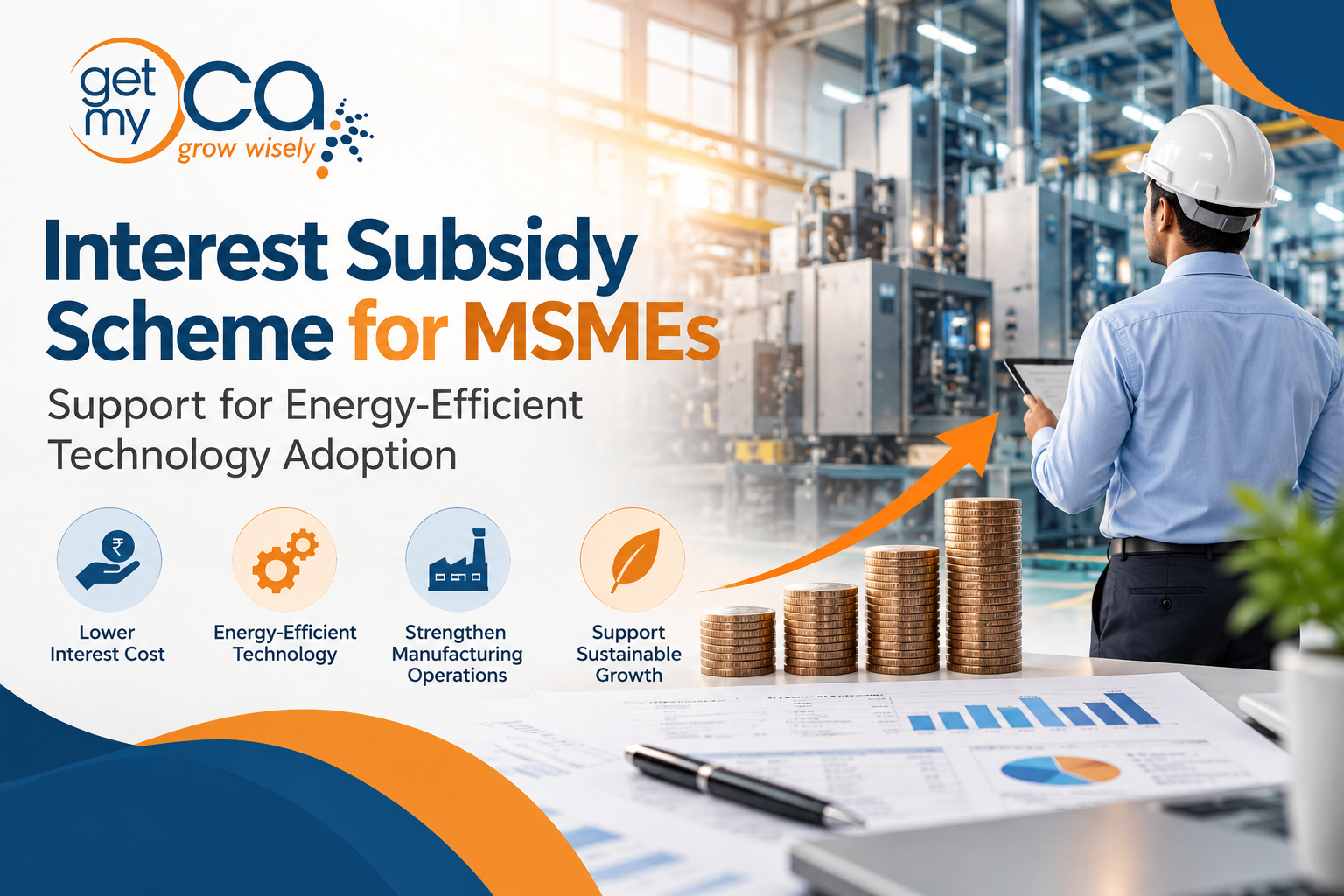
Machinery upgrades can improve production capacity, energy efficiency and product quality, but they also require significant capital. A poorly planned investment can put unnecessary pressure on working capital even when the new equipment is technically useful.
Manufacturers should therefore evaluate the complete project before issuing a purchase order. Equipment cost, energy use, financing, installation expenses and the procurement route should all be reviewed together.
Define the Purpose of the Upgrade
The first step is to identify exactly why new machinery is required.
A manufacturer may be planning an upgrade because the existing equipment is causing frequent breakdowns, production capacity is no longer sufficient or electricity consumption has become too high.
Other reasons can include:
- expansion of production capacity
- automation of manual processes
- replacement of ageing machinery
- reduction in maintenance costs
- improvement in product quality
- energy-efficiency improvements
- addition of a new production line
A clearly defined objective helps businesses avoid purchasing equipment with features that do not contribute meaningfully to the project.
Calculate the Complete Project Cost
The machinery quotation is only one part of the investment.
Businesses may also need to pay for transportation, insurance, installation, electrical work, civil modifications, testing and commissioning.
In some cases, production may need to stop temporarily during installation, creating an indirect cost as well.
A complete project budget can include:
- machinery price
- transportation
- installation
- electrical modifications
- utility connections
- civil work
- financing charges
- testing and commissioning
- employee training
Estimating these expenses before procurement gives management a better understanding of the actual capital requirement.
Review the Energy Impact of New Equipment
Electricity consumption can have a significant effect on the long-term cost of machinery.
Equipment such as motors, compressors, pumps, boilers and furnaces may operate for several hours every day. Even a moderate improvement in efficiency can therefore affect operating expenses over several years.
Eligible manufacturing businesses considering such projects may review interest assistance available for qualifying MSME efficiency upgrades while evaluating the financing structure.
However, the decision to purchase machinery should still be based on technical and commercial requirements.
Manufacturers should compare existing energy consumption with the expected performance of the proposed equipment and maintain the relevant technical records.
Look Beyond the Lowest Quotation
Choosing the cheapest supplier does not always result in the lowest long-term cost.
A machine with a slightly higher purchase price may offer lower electricity consumption, fewer breakdowns or better production output.
Manufacturers should compare:
- energy consumption
- production capacity
- maintenance frequency
- machine life
- spare-parts availability
- service support
- automation capabilities
- expected downtime
This approach provides a better estimate of the total cost of ownership.
Compare Financing With Expected Benefits
If the machinery is being purchased using external finance, management should compare loan repayments with the expected financial benefits of the upgrade.
These benefits may include lower electricity bills, higher production, fewer repairs and reduced downtime.
For example, if a new production line improves output while reducing maintenance expenses, both benefits should be considered when evaluating the investment.
The objective is to understand whether the improvement in operations can reasonably support the additional financial commitment.
Exporters Should Review the Procurement Route Early
Export manufacturers may have another important decision to make: whether machinery should be imported or purchased domestically.
Imported machinery can sometimes provide specialised technology, but the transaction may involve customs duties, freight, insurance and foreign-exchange exposure.
Before finalising an import, eligible exporters may examine zero-duty capital goods planning for export-oriented manufacturers as part of their procurement assessment.
The immediate duty impact should not be the only factor considered.
Businesses should also understand applicable export obligations, documentation and future compliance requirements before deciding whether the route is suitable.
This review is more useful before the purchase order or import transaction is finalised.
Maintain a Complete Procurement File
Machinery investments create multiple technical and financial records.
A properly organised project file may include:
- supplier quotations
- technical specifications
- comparison statements
- purchase orders
- invoices
- payment records
- financing documents
- import documents
- installation reports
- commissioning records
These documents make it easier to monitor project expenditure and explain how individual expenses relate to the machinery upgrade.
Plan Installation Before the Equipment Arrives
A machinery purchase does not end when the equipment reaches the factory.
Installation may require civil work, electrical connections, utility modifications and testing.
Manufacturers should create an implementation schedule showing when each activity needs to be completed.
This becomes particularly important where multiple suppliers or contractors are involved.
Good scheduling can reduce unnecessary production disruption and help ensure that equipment becomes operational within the expected timeline.
Review the Project Before Committing Capital
Before issuing the final purchase order, management should review the entire investment once again.
The review should cover technical suitability, complete project cost, financing, expected savings, procurement structure and applicable compliance requirements.
Any relevant financial or trade-related support should also be evaluated during this stage.
Once machinery has already been ordered or imported, changing the transaction structure may become more difficult.
Conclusion
Machinery modernisation should be treated as a long-term financial and operational investment.
Manufacturers should compare equipment based on complete project cost, energy consumption, financing and expected business benefits rather than focusing only on the initial quotation.
Early planning can help businesses manage capital more effectively and make better procurement decisions before substantial funds are committed.

 English
 Arabic
 French
 Spanish
 Portuguese
 Deutsch
 Turkish
 Dutch
Dutch
 Italiano
 Russian
 Romaian
 Greek
Greek
