


 About Urh Social
 Terms of Service
 Privacy Policy
 Contact
Forklift Parts: Choosing the Right Components for Reliable Performance
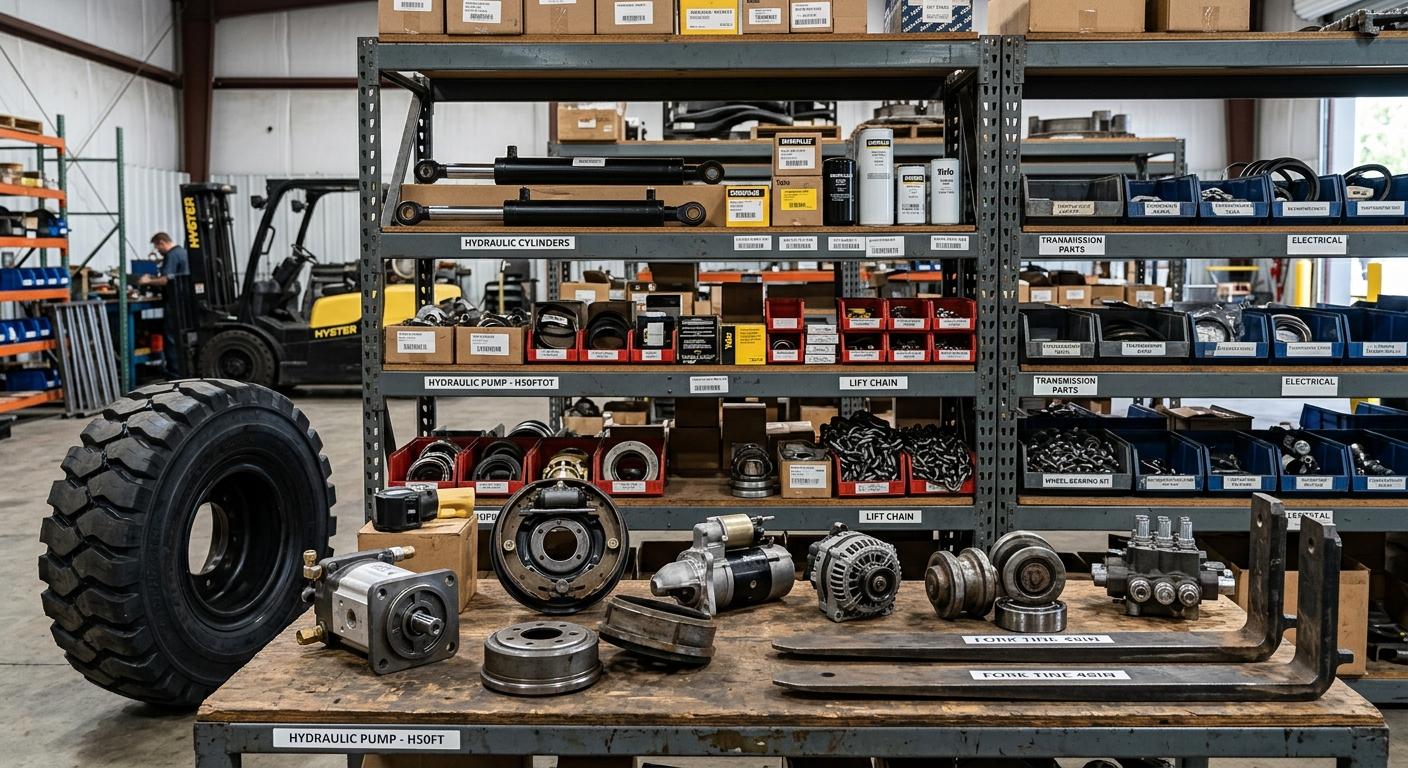
Forklifts are essential for warehouses, construction sites, manufacturing facilities, distribution centers, and many other workplaces. Like any other heavy-duty machine, a forklift needs regular maintenance and quality replacement components to remain safe and efficient. Choosing the right forklift parts can help reduce unexpected breakdowns, improve equipment performance, and extend the working life of a machine.
From hydraulic components and engine parts to tires, filters, brakes, and electrical systems, every component has an important role. Understanding the most common replacement parts can make maintenance planning easier and help businesses keep their equipment operating smoothly.
Common Forklift Parts for Maintenance and Repairs
Forklifts contain many mechanical, hydraulic, electrical, and structural components. Some parts experience more wear than others because they are used continuously during lifting, loading, and transportation.
Forks are among the most important components because they carry the load. Damaged, bent, or excessively worn forks can create serious safety concerns. Forks should be inspected regularly for cracks, wear, and other visible damage. Replacing them when necessary helps maintain safe lifting operations.
Forklift tires are another important replacement component. Depending on the working environment, businesses may use pneumatic, solid pneumatic, or cushion tires. The correct tire type can improve stability, traction, and maneuverability while reducing unnecessary wear on other components.
Filters are also frequently replaced during routine maintenance. Oil filters, air filters, fuel filters, and hydraulic filters help keep contaminants away from important systems. Replacing dirty filters at recommended intervals can support better machine performance and protect expensive internal components.
Hydraulic Components
The hydraulic system allows a forklift to lift, lower, and position heavy materials. Because the system operates under pressure, its components need regular inspection and proper maintenance.
Hydraulic pumps, hoses, cylinders, seals, valves, and fittings are common replacement items. A leaking hydraulic hose or damaged seal can reduce lifting performance and may create a safety hazard. Hydraulic cylinders can also develop leaks or lose efficiency as components become worn.
Using compatible replacement parts is important because hydraulic systems are designed to operate within specific pressure and flow requirements. Installing an unsuitable component may affect the entire lifting system and result in additional repairs.
Engine and Transmission Components
Internal-combustion forklifts rely on engines and transmissions to provide the power needed for movement and lifting operations. Over time, engine components can experience normal wear and may require replacement.
Common engine-related components include spark plugs, belts, gaskets, fuel pumps, injectors, hoses, and cooling system parts. Regular maintenance can help identify worn components before they cause major mechanical problems.
Transmission components are equally important because they transfer power from the engine to the wheels. Problems with gears, clutches, seals, or other transmission components can affect acceleration, movement, and overall equipment operation. Choosing high-quality replacement components can support dependable performance.
Electrical and Battery Parts
Electric forklifts depend on batteries and electrical systems rather than traditional combustion engines. Battery-powered equipment requires proper care to maintain consistent performance.
Common electrical replacement components include batteries, connectors, cables, switches, fuses, chargers, and other electrical accessories. Battery terminals should be kept clean and properly connected to reduce electrical problems.
Electric forklift operators should also pay attention to battery condition and charging performance. A battery that no longer holds an adequate charge may reduce operating time and productivity. Replacing worn electrical components can help prevent unnecessary downtime.
Brake and Steering Components
Braking and steering systems are critical for forklift safety. Operators need reliable control when moving through warehouses, loading areas, and narrow aisles.
Brake pads, shoes, drums, cables, master cylinders, and other braking components may require replacement as they wear. Steering components such as tie rods, steering wheels, bearings, and related hardware should also be inspected regularly.
If a forklift becomes difficult to steer, takes longer to stop, or produces unusual sounds during operation, maintenance should be performed promptly. Addressing these problems early can prevent more expensive repairs later.
How to Choose Quality Forklift Parts
Selecting replacement components requires more than simply finding a part that looks similar to the original. Businesses should confirm the forklift make, model, serial number, and component specifications before ordering.
OEM parts are designed specifically for particular equipment models, while aftermarket parts can provide another option when they meet the required specifications. The most important consideration is compatibility, quality, durability, and suitability for the working environment.
Businesses should also purchase critical components from reliable suppliers. A dependable supplier can help identify the correct part and reduce the risk of ordering an incompatible component.
Importance of Preventive Maintenance
Regular maintenance can significantly reduce unexpected forklift downtime. Operators and maintenance teams should inspect equipment before use and report unusual noises, fluid leaks, steering problems, tire damage, or lifting issues.
A preventive maintenance schedule can include checking fluids, inspecting tires and forks, testing brakes, examining hydraulic systems, cleaning filters, and reviewing electrical connections. Replacing worn forklift parts before they fail can help businesses avoid costly interruptions.
Proper maintenance also supports workplace safety. Forklifts handle heavy loads, so even a relatively small mechanical issue can become a serious problem if it is ignored.
Keeping Forklifts Productive
Reliable replacement components are an important part of maintaining forklift performance. From forks and tires to hydraulic, engine, electrical, steering, and braking components, each part contributes to safe and efficient operation.
Businesses that keep commonly needed replacement components available can often respond more quickly when maintenance is required. Working with a trusted parts supplier and following the manufacturer's maintenance recommendations can further improve equipment reliability.
With proper inspections, timely repairs, and quality forklift parts, companies can keep their material-handling equipment working efficiently while reducing unnecessary downtime and extending the useful life of their forklifts.

 English
 Arabic
 French
 Portuguese
 Deutsch
 Turkish
 Dutch
Dutch
 Italiano
 Russian
 Romaian
 Portuguese (Brazil)
 Greek
Greek
