


 About Urh Social
 Terms of Service
 Datenschutzbestimmungen
 Contact
Mole Removal: Myths, Facts, and Treatment Insights
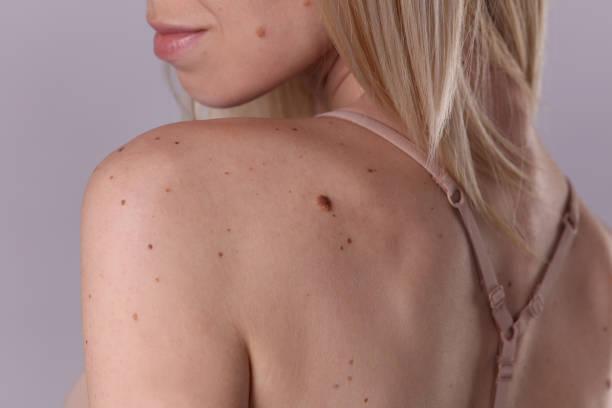
Moles are among the most common skin growths, and many people have several throughout their lifetime. They can differ in size, color, shape, and texture, and most are harmless. However, a mole that becomes irritating, changes noticeably, or causes cosmetic concerns may lead someone to consider professional treatment. Before choosing mole removal, it is useful to separate common myths from facts and understand how specialists approach assessment, treatment, and recovery.
Myth: Every Mole Is Dangerous
One common misconception is that having a mole automatically means there is a serious skin problem. In reality, many moles are benign and remain stable throughout life.
Fact: Changes Should Be Assessed
Although most moles are harmless, noticeable changes deserve professional attention. Changes in size, shape, color, or texture, as well as bleeding, persistent itching, crusting, or pain, can warrant an examination by a qualified skin specialist.
A professional assessment does not mean that a mole is necessarily dangerous. It simply helps determine whether further evaluation or removal is appropriate.
Myth: Mole Removal Is Only Cosmetic
Some people believe mole removal is performed exclusively to improve appearance. Cosmetic concerns are certainly one reason people seek treatment, particularly when a mole is prominent or located on a visible area.
However, removal may also be considered when a mole repeatedly catches on clothing, becomes irritated, or requires medical evaluation. The reason for removal can influence the recommended approach.
Myth: Any Mole Can Be Removed With a Laser
Laser treatment is often associated with skin lesion removal, but it is not automatically suitable for every mole.
Fact: Treatment Depends on the Mole
The appropriate technique depends on factors such as the mole's appearance, depth, location, and whether tissue examination is necessary. Depending on the individual case, a specialist may consider techniques such as shave removal or surgical excision.
If there is concern about the nature of a mole, preserving tissue for pathological examination may be important. For this reason, a specialist should determine whether a particular technique is appropriate.
Myth: Mole Removal Always Leaves Perfectly Smooth Skin
It is natural to hope that removing a mole will leave the skin looking exactly as it did before. However, every procedure can produce some degree of temporary or permanent skin change.
Redness, tenderness, crusting, pigmentation changes, or scarring may occur depending on the procedure and individual healing response. The final appearance can take time to develop.
Fact: Healing Takes Time
After Mole Removal in Riyadh, the treated area may initially look different from the surrounding skin. Temporary redness or sensitivity can occur, and the area may gradually change as the skin repairs itself.
Patients should follow their provider's aftercare instructions and avoid picking or irritating the treated area. Protecting healing skin from excessive sun exposure can also help reduce the likelihood of unwanted pigmentation changes.
Myth: Bigger Moles Always Need Surgical Removal
The size of a mole can influence treatment planning, but size alone does not determine which method should be used.
Fact: Several Characteristics Matter
A specialist may consider the mole's depth, structure, location, appearance, and clinical history. A larger mole may require a different approach from a small raised mole, but each case needs individual evaluation.
Myth: You Can Safely Remove a Mole at Home
Home remedies and unregulated mole-removal products are sometimes promoted as simple alternatives to professional treatment. Cutting, burning, scraping, or applying harsh chemicals can damage healthy skin.
Fact: Home Removal Can Cause Complications
Attempting removal without professional guidance may result in infection, bleeding, burns, scarring, and pigmentation changes. It can also alter the appearance of a mole and potentially delay appropriate medical assessment.
Professional evaluation is particularly important when a mole has changed or appears unusual.
Myth: Removing a Mole Prevents Skin Cancer
Another misconception is that removing a mole automatically prevents skin cancer. Removal of an individual mole does not mean that a person cannot develop other skin lesions or skin cancers.
The purpose of removing a particular mole should be clearly established. When a lesion is medically concerning, appropriate evaluation and pathological examination may be necessary.
Fact: Professional Assessment Comes First
A consultation is an important part of safe mole treatment. A qualified skin specialist can examine the mole, discuss your concerns, and determine whether removal is appropriate.
For Mole Removal in Riyadh, treatment planning should consider both medical and cosmetic factors. This approach helps ensure that the selected procedure is appropriate for the individual mole rather than based on a one-size-fits-all method.
What Should You Ask Before Mole Removal?
Before proceeding, patients can ask:
-
Why is removal recommended?
-
Does the mole require additional examination?
-
Which technique is most appropriate?
-
Will the removed tissue be examined?
-
What type of mark or scar could remain?
-
How long might healing take?
-
What aftercare will be required?
-
When should I contact the clinic after treatment?
Understanding these points can help establish realistic expectations and reduce uncertainty about the procedure.
Choosing an Appropriate Treatment Approach
The best treatment approach is not necessarily the newest or most advertised option. It should be the method that matches the mole's characteristics and the patient's individual circumstances.
For Mole Removal in Riyadh, professional evaluation can help determine whether removal is appropriate and which technique may provide a suitable balance between effective treatment, skin health, and cosmetic considerations.
Book an Appointment at Royal Clinic Saudia
If you have a mole that concerns you because of its appearance, irritation, or recent changes, consider arranging a professional skin assessment. At Royal Clinic Saudia, specialists can evaluate your concern and explain suitable treatment options based on your individual needs. Mole Removal in Riyadh should begin with appropriate assessment and realistic expectations rather than relying on myths or unverified home treatments.
FAQs:
Are most moles harmless?
Yes, many moles are benign. However, changing or unusual moles should be assessed by a qualified professional.
Can every mole be removed using the same technique?
No. The appropriate method depends on the mole's characteristics, location, and whether tissue examination is required.
Is mole removal completely scar-free?
Not necessarily. Scarring and pigmentation changes are possible, although their appearance varies between individuals and procedures.
Can I remove a mole with a home remedy?
Home removal is not recommended because it can cause infection, bleeding, burns, scarring, and may delay proper medical evaluation.

 English
 Arabic
 French
 Spanish
 Portuguese
 Turkish
 Dutch
Dutch
 Italiano
 Russian
 Romaian
 Portuguese (Brazil)
 Greek
Greek
