


 About Urh Social
 Terms of Service
 Política de Privacidade
 Contact
Finding Quiet Elegance: How Thoughtful Design Is Reshaping Premium Homes in India
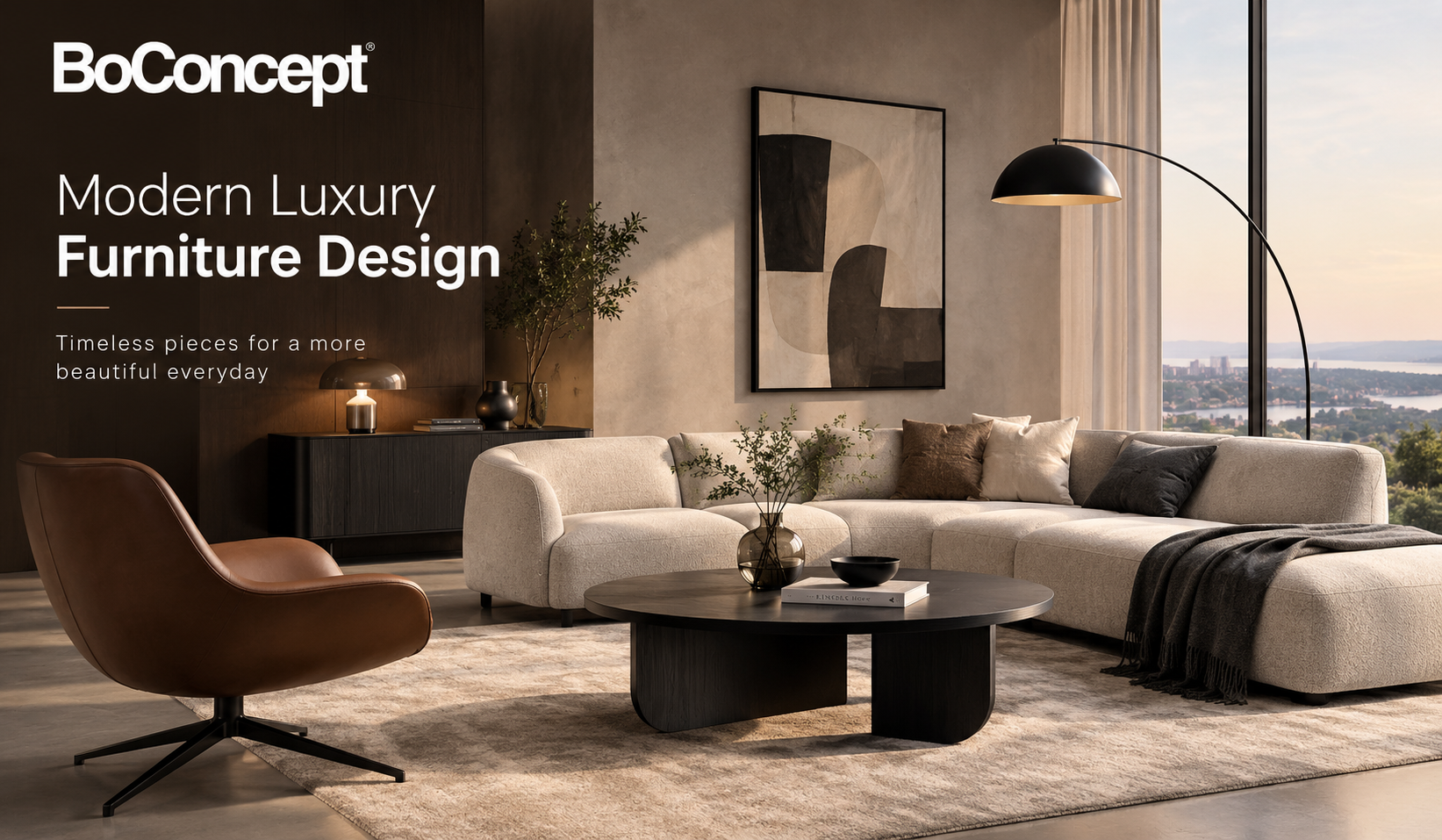
Modern luxury furniture design has moved well beyond gleaming surfaces and oversized price tags. In Indian homes today, the most admired pieces are the ones that feel calm, well made, and easy to live with. Homeowners in Mumbai, Bengaluru, and Gurugram are asking different questions than they did a decade ago. They want a sofa that suits a compact apartment, a dining table that seats family on festival evenings, and a wardrobe that looks as good as it works.
The shift starts with proportion. A refined piece usually has a clear silhouette, balanced lines, and enough breathing room around it so that a room feels open rather than crowded. Designers working in this space often begin with the way a person actually moves through a home. Where do guests sit? How wide should a walkway be? Good answers to these questions tend to produce furniture that looks effortless, even when the craftsmanship behind it is quite intricate.
Materials matter just as much. Solid oak, walnut, and teak remain popular for their warmth and longevity, while performance fabrics and leather are chosen for durability in a climate that can be humid during monsoon months and dry and dusty for much of the year. Many buyers now also look at how timber is sourced and whether finishes are low in harmful emissions. These details rarely make headlines, but they shape how a piece ages over ten or fifteen years.
Colour has become more restrained, too. Muted neutrals, warm greige, soft ochre, and deep olive appear frequently, often paired with a single accent pillow or a textured rug to add personality. Warm wood tones tend to pair well with these shades, and lighter upholstery can keep a smaller room from feeling heavy. The idea is to let the furniture carry the room rather than compete with it. Many homeowners find that a limited palette makes it easier to update accessories with the seasons without replacing the core pieces.
Space planning deserves more attention than it usually receives. Modular sofas, extendable tables, and storage beds have become useful in urban homes where every square foot counts. A well-designed modular system can grow or shrink with a household, which is especially practical for families who move cities or expect children to change their needs over time. It is worth measuring the room, noting door and window positions, and imagining the layout with people in it before committing to a purchase.
When evaluating a premium piece, look beyond the photograph. Check the frame construction, the joinery, and the upholstery stitching. Ask about warranty terms and after-sales support, especially if the item will be delivered to a city where service coverage varies. Sitting on a sofa for ten minutes in a showroom tells you more than any online review about seat depth and cushion firmness. Trust your comfort as much as your eye.
Brands with a long design heritage often approach these questions with a consistent philosophy, focusing on functional beauty and collections that work together across a home. Reviewing a brand's catalogue, understanding its material choices, and comparing how its pieces sit in real rooms can help buyers build a space that feels cohesive rather than assembled in a hurry. The most satisfying interiors usually grow gradually, one considered piece at a time, and they reflect the people who live in them. That is ultimately what makes modern luxury furniture design worth investing in.

 English
 Arabic
 French
 Spanish
 Deutsch
 Turkish
 Dutch
Dutch
 Italiano
 Russian
 Romaian
 Portuguese (Brazil)
 Greek
Greek
