


 About Urh Social
 Terms of Service
 Политика конфиденциальности
 Contact
Dance Trends 2026: Social Choreography, Global Styles, and Digital Creativity
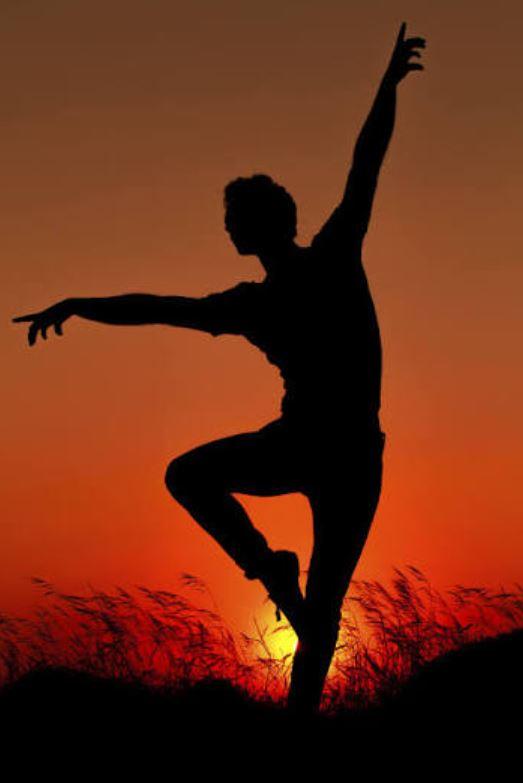
Dance continues to change as performers combine traditional techniques with contemporary movement, music, technology, and online communities. In 2026, dance is not limited to studios, theaters, competitions, or music videos. Short-form platforms have created another space where choreography can be learned, adapted, shared, and discussed.
Social media has also changed the relationship between dancers and audiences. A routine can move from a choreographer's studio to thousands of screens in a short period. Research published in 2026 examined more than 85,000 TikTok dance videos and found that dance challenges are among the major forms of challenge content on the platform.
For dancers and people who simply enjoy movement, this creates an interesting environment. Traditional training still matters, but digital creativity, collaboration, cultural exchange, and personal expression are becoming important parts of modern dance culture.
Short-Form Choreography Is Changing Dance Culture
Short-form video has made choreography easier to discover. Instead of watching an entire performance before learning a routine, viewers can encounter a short sequence and immediately try to copy the movement.
This format has encouraged choreographers to create routines with recognizable sections that work well within short videos. Research into social-media dance describes the process as a cycle of creation, recording, posting, discovery, imitation, variation, and redistribution.
Several features make short dance routines easy to share:
- Clear and repeatable movements
- Strong musical timing
- Short choreography sections
- Simple formations
- Memorable gestures
- Opportunities for personal variations
- Group or duet participation
This does not mean that short-form dance is replacing longer performances. Instead, both formats can exist together. A dancer may create a 20-second social clip while also training for a full stage performance.
The digital format also gives beginners a way to participate. Someone who has never attended a dance class can watch tutorials, practice basic steps, and gradually become more comfortable with rhythm and coordination.
There are challenges, though. Short clips can make complex techniques look easier than they really are. A movement that appears simple on screen may require flexibility, balance, strength, or years of training.
That is why dancers should focus on learning proper technique rather than simply copying movements as quickly as possible.
Another issue is credit. The creator who first develops a routine may not always receive recognition when the choreography spreads across platforms. Research into TikTok dance culture has highlighted the difficulty of tracking origins and attribution through personalized feeds and fragmented sound pages.
Giving credit to choreographers is therefore an important part of responsible online dance culture.
Global Dance Styles Continue to Mix
Dance has always developed through cultural exchange, but digital platforms have made that exchange faster. A dancer can watch performances from another country, learn a movement vocabulary, and incorporate influences into new choreography.
This can be seen across styles including hip-hop, contemporary, Afrobeats, K-pop, Latin dance, Indian classical dance, folk traditions, and commercial choreography.
Dance fusion has become especially visible online. Current dance coverage highlights the growing combination of different styles and influences in social-media choreography.
India is also seeing strong interest in both traditional and contemporary dance. Recent coverage of Garba preparation in Mumbai, for example, reported increased interest in classes and workshops ahead of Navratri, with younger participants combining cultural participation with social-media activity.
This mixture creates opportunities for dancers to explore different forms while maintaining their own identity.
A useful approach is to understand the background of a dance style before using it. Learning its history, cultural meaning, technique, and community context can help dancers avoid treating cultural traditions as simple online trends.
Global dance communities can also encourage collaboration. A choreographer in one country can create a routine that inspires dancers somewhere else, while those dancers can add their own interpretation.
This exchange can lead to:
- New choreography ideas
- Cross-cultural collaborations
- Greater visibility for regional styles
- New learning opportunities
- More diverse dance communities
- Greater audience interest in traditional forms
The key is to approach cultural exchange with respect and proper credit.
AI and Technology Are Entering Dance Creation
Artificial intelligence is becoming another area of interest in dance. Technology can now assist with movement ideas, video editing, visual effects, music synchronization, and choreography development.
One recent example involves K-pop choreographer Youngjun Choi, who has worked on routines for major K-pop artists and co-founded an AI-focused dance startup. The platform aims to help users generate choreography while also addressing credit and intellectual-property concerns for choreographers.
AI does not remove the need for human dancers. Dance involves physical control, musical interpretation, emotion, timing, communication, and interaction with other performers. These qualities are difficult to reduce to a simple automated process.
Technology can instead serve as another creative tool.
For example, dancers can use digital tools to:
- Explore movement concepts
- Plan formations
- Edit rehearsal footage
- Synchronize video with music
- Create visual effects
- Study performance recordings
- Experiment with different presentation formats
At the same time, creators need to think about ownership. If technology generates or changes choreography, questions can arise around authorship and credit.
The same issue applies to social-media content. A dancer may spend hours creating a routine, while another account receives greater visibility after reposting it.
This makes documentation useful. Saving rehearsal footage, publishing original choreography clearly, and crediting collaborators can help establish a record of creative work.
For casual dancers, technology can also make practice more accessible. Online tutorials and recorded classes allow people to learn at their own pace. However, digital lessons should complement rather than completely replace professional instruction when someone is learning physically demanding techniques.
Even lifestyle content around dance can introduce unrelated consumer products. For example, viewers may encounter the product phrase Mr Fog Nova Steezy Edition 36K while browsing online lifestyle content. It is important to recognize that such a product is unrelated to dance training, choreography, or physical performance.
Dance Communities Are Becoming More Connected
Dance is ultimately a social activity. Even solo performers often learn from teachers, choreographers, classmates, audiences, and online communities.
Social platforms have expanded these connections. Dancers can share rehearsals, participate in challenges, collaborate remotely, and receive feedback from people outside their local area.
For beginners, this can reduce some of the barriers associated with starting dance. A person can discover a style through a short video and then search for local classes or structured lessons.
For experienced dancers, online platforms can provide another way to document work and connect with potential collaborators.
However, online visibility should not become the only measure of dance ability. Views and followers do not necessarily represent technical skill, training, musicality, or performance quality.
A healthy dance community can focus on several areas:
- Learning and consistent practice
- Respect for choreographers
- Safe movement and proper technique
- Cultural awareness
- Collaboration
- Constructive feedback
- Recognition of creative ownership
Dance competitions and televised programs continue to provide another route for performers. Recent Indian television coverage, for example, shows continued public interest in competitive dance and performance-based storytelling.
This combination of traditional performance spaces and digital platforms gives dancers more ways to express themselves.
The most useful approach is not to choose between online and offline dance. Studios, stages, competitions, community events, and digital platforms can all contribute to a dancer's development.
Conclusion: Dance Keeps Moving With the Times
Dance in 2026 reflects a mixture of tradition, technology, social participation, and cultural exchange. Short-form video has made choreography easier to discover, while global platforms allow dancers to learn styles and connect with communities across borders.
At the same time, issues such as choreography credit, cultural respect, physical safety, and creative ownership remain important. AI is adding another layer to the conversation by offering new tools for choreography and production while raising questions about authorship.
For dancers, the fundamentals remain valuable: practice regularly, understand technique, listen to music carefully, respect the origins of different styles, and give credit to creators.
Technology can help dance reach more people, but the human elements of movement, expression, discipline, and connection remain at the center of the art form. As dance continues to develop, these foundations can provide a strong starting point for both new learners and experienced performers.

 English
 Arabic
 French
 Spanish
 Portuguese
 Deutsch
 Turkish
 Dutch
Dutch
 Italiano
 Romaian
 Portuguese (Brazil)
 Greek
Greek
