


 About Urh Social
 Terms of Service
 Política de Privacidade
 Contact
How to PAT Test Commercial Kitchen Appliances with High Operating Temperatures
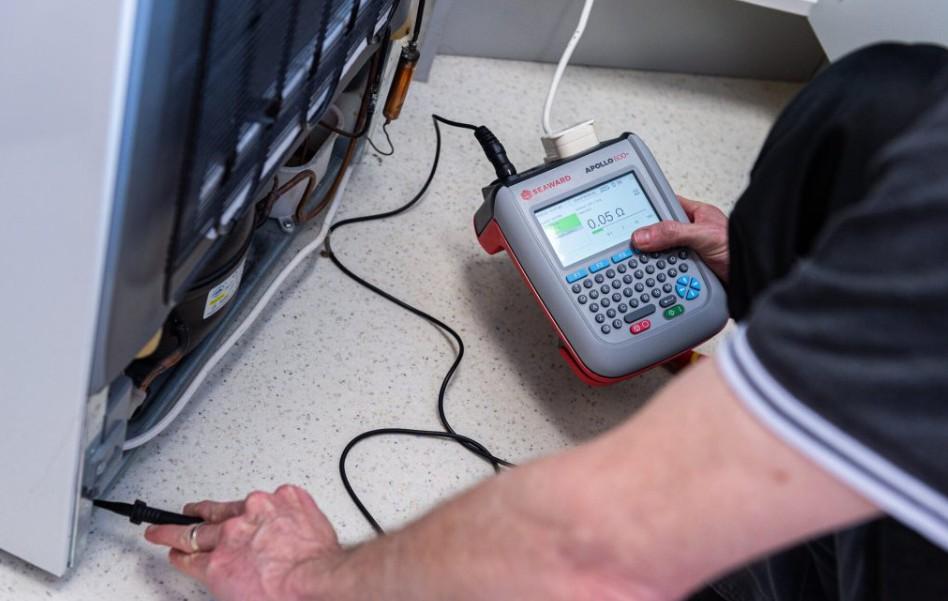
Commercial kitchens are high-intensity environments where electrical safety cannot be treated as an afterthought. Equipment operates under constant stress, subjected to intense heat, heavy moisture, grease accumulation, and relentless daily use. Among the most challenging assets to inspect and test are high-temperature cooking appliances—such as commercial deep fryers, deck ovens, convection ranges, high-speed contact grills, and industrial salamanders. Portable Appliance Testing (PAT) for these thermal-heavy appliances demands specialized knowledge beyond routine office or domestic safety checks. Failing to account for thermal degradation can lead to severe electrical hazards, equipment damage, or catastrophic fire risks.
The Unique Hazards of High-Temperature Kitchen Environments
High operating temperatures significantly accelerate the wear and degradation of electrical components. Standard PVC wiring insulation, rubber seals, and internal terminal connections undergo thermal cycling—repeatedly heating up during busy service hours and cooling down overnight. Over time, this thermal strain causes insulation to embrittle, crack, or melt, exposing live conductors to conductive metal casings.
Furthermore, thermal environments introduce secondary risk factors that compound electrical dangers:
-
Grease and Vapor Ingress: Airborne oils and moisture condense inside housing units, creating conductive paths across weakened electrical insulation.
-
Vibration and Mechanical Stress: High-temperature ventilation fans, compressors, and heavy door latching can loosen internal wiring connections.
-
Chemical Exposure: Heavy-duty kitchen cleaning agents can react with heated plastic casings and protective cable sleeving, causing chemical embrittlement.
Understanding these environmental stressors allows technicians to anticipate failures before conducting electrical tests.
Pre-Test Visual Inspection: Looking Beyond Standard Wear and Tear
Visual inspection accounts for the vast majority of electrical fault detections in commercial appliances. When dealing with high-temperature units, visual checks must be thorough, deliberate, and targeted toward heat-affected components.
Key areas to inspect prior to attaching any testing instrument include:
-
Power Supply Cable Condition: Check for hardened, discolored, or brittle outer sheathing near heat exhaust zones or hot appliance surfaces. Ensure heat-resistant flex (such as silicone or butyl rubber cabtyre cable) is installed where required.
-
Plug and Socket Integrity: Inspect plugs for signs of thermal warping, scorching around pin bases, or loose earth connections caused by heavy current draw.
-
Internal Cavities and Heat Shields: Where accessible, check that internal thermal barriers and ceramic insulation sleeves remain intact and free of oil saturation.
-
Cable Strain Relief: Verify that strain relief clamps at the cable entry point have not softened or deformed due to ambient kitchen heat, which could compromise mechanical stability.
If an appliance fails visual inspection—such as showing exposed copper conductors or burnt terminal housings—it must be immediately isolated and marked as unsafe without proceeding to electrical testing.
Conducting Electrical Tests on Thermal-Intense Equipment
Once visual integrity is confirmed, formal electrical testing evaluates the safety of protective earth bonding and insulation integrity. High-wattage heating elements present unique characteristics during testing that require careful interpretation.
Earth Continuity (Bonding) Testing
Class I appliances rely on a solid protective earth connection to clear faults safely. Due to severe operating conditions, earth bond connections can oxidize or loosen.
-
Connect the test lead to an unpainted, clean metallic part of the appliance outer casing.
-
Deliver a suitable test current (typically 200mA for sensitive controls or 10A/25A for rugged Class I heating apparatus, depending on manufacturer guidance).
-
Ensure the measured resistance does not exceed 0.1+Rcable (where Rcable represents the resistance of the supply flex).
Insulation Resistance Testing
Heating elements often absorb atmospheric moisture when cooled down, which can temporarily reduce insulation resistance readings without indicating a permanent fault.
-
Perform an insulation resistance test at 500V DC between live/neutral combined and the protective earth casing.
-
A minimum threshold of 1.0M is standard; however, for damp-susceptible mineral-insulated heating elements, regulations often permit lower transient readings if Earth Leakage Testing confirms safe operating conditions.
-
For technicians managing complex commercial facilities, taking a structured pat testing course ensures a thorough understanding of permissible leakage limits and how to safely test high-power thermal appliances without damaging delicate electronic control boards.
Frequency of Inspection and Regulatory Compliance
Due to the extreme working conditions of commercial catering kitchens, standard annual testing intervals are often insufficient. Safety guidelines, such as the IET Code of Practice for In-service Inspection and Testing of Electrical Equipment, recommend risk-based inspection schedules tailored to operational severity.
A robust maintenance schedule for commercial kitchen appliances should include:
-
Daily/Weekly User Checks: Operational staff should routinely inspect flexes, plugs, and switches for visible scorching or physical damage before turn-on.
-
3 to 6-Month Formal Visual Inspections: A competent technician carries out thorough visual assessments of high-temperature cooking ranges, fryers, and grills.
-
6 to 12-Month Combined Inspection and Testing: Full electrical testing (Earth Continuity, Insulation Resistance, and Protective Conductor / Touch Current leakage tests) conducted on all commercial appliances.
Maintaining rigorous inspection schedules minimizes operational downtime, ensures compliance with commercial insurance policies, and protects staff working in demanding kitchen environments.
Best Practices for Maintaining Test Records and Equipment
Thorough documentation is essential for demonstrating regulatory compliance and tracking thermal degradation trends over time. Every tested appliance should be cataloged with an asset ID, clear location description, test results, and pass/fail status.
When logging results for high-temperature equipment:
-
Record Exact Numerical Values: Avoid simple "Pass/Fail" entries. Tracking changes in Earth Continuity resistance over consecutive months helps identify loose or corroded earth connections before complete failure occurs.
-
Label Appliances Clearly: Apply durable, heat-resistant pass labels. Standard paper labels rapidly deteriorate in oily or high-steam kitchen environments; synthetic or laminated labels placed on cooler areas of the appliance casing ensure long-term visibility.
-
Quarantine Damaged Equipment: Establish a clear protocol for removing failed equipment from service immediately using lock-out tags until repairs are executed by qualified engineers.
Conclusion
Testing commercial kitchen appliances exposed to extreme operating temperatures requires a dedicated approach that goes far beyond standard workplace compliance. By understanding the combined effects of thermal degradation, grease accumulation, and mechanical strain, inspectors can conduct targeted visual checks and accurate electrical measurements. Implementing structured inspection intervals, adhering to proper leakage testing protocols, and keeping precise documentation ensures that commercial kitchens remain safe, compliant, and operating at peak productivity.

 English
 Arabic
 French
 Spanish
 Deutsch
 Turkish
 Dutch
Dutch
 Italiano
 Russian
 Romaian
 Portuguese (Brazil)
 Greek
Greek
